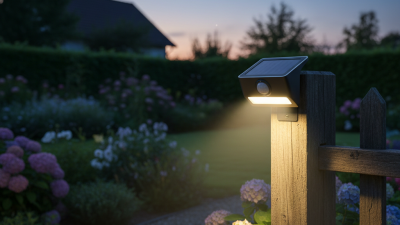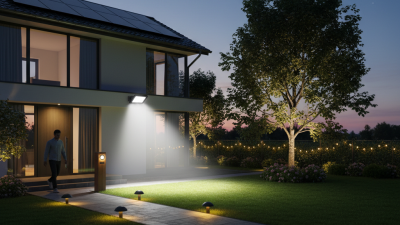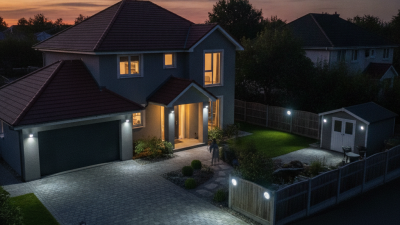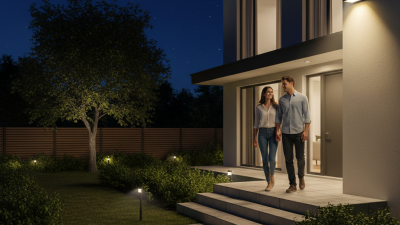
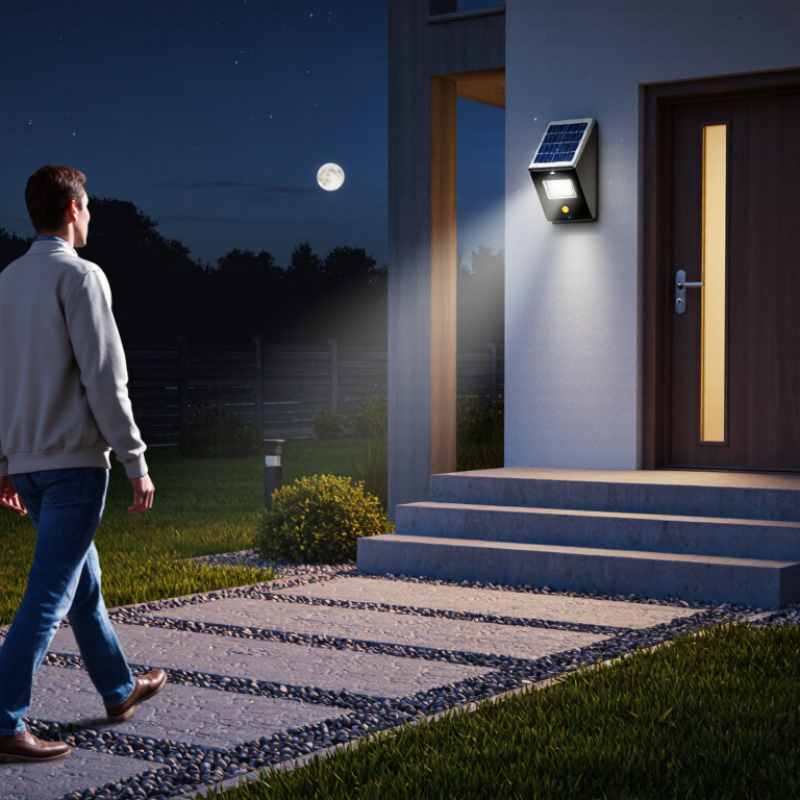
A Solar Motion Sensor Light can make an entrance safer without keeping the whole yard brightly lit all night. It charges in daylight, then responds when movement crosses its detection zone. Picture a visitor approaching a garden path: the light comes on, revealing the steps and door handle. When the area is still, it switches off again. Simple, but useful.
The appeal is practical. Many models need no nearby electrical outlet, which can make installation easier around sheds, gates, and driveways. A motion-triggered beam can also reduce unnecessary lighting, though performance depends on sunlight, battery capacity, sensor range, and placement. A shaded wall or a sensor aimed at passing branches may lead to disappointing results. Small details matter.
A trustworthy introduction should not attach an invented quotation to a named expert. No source article or verifiable expert statement was supplied, so a direct quote cannot be responsibly attributed here. The useful principle is clear: choose a light for the actual space, not just its advertised brightness. Check where sunlight falls, what the sensor can see, and whether the beam reaches the spot that needs attention. There is a trade-off, too. A bright light may feel reassuring, yet poor placement can send glare toward a window. A Solar Motion Sensor Light works best when its output, sensitivity, and location fit the way people use the space.
A solar motion sensor light is an outdoor light powered by energy collected from sunlight. A small solar panel converts daylight into electricity and stores it in a rechargeable battery. When the sensor detects movement nearby, the light switches on, often for a set period. Some models also use a dusk sensor, so they operate only when the surroundings are dark.
The parts may be built into one unit or connected by a cable. A separate panel can be useful when a wall or porch is shaded but a nearby spot gets direct sun. Performance depends on placement, daylight, battery condition, and temperature. On several cloudy days, the battery may not fully recharge, and the light can become dimmer or run for less time. It is convenient, but not a guaranteed replacement for steady wired lighting.
Tips: Aim the sensor toward the path or doorway, not a busy street. Keep the panel clear of leaves and grime. Test the detection area after installation; small adjustments can prevent missed movement or frequent false triggers.
Why Choose a Solar Motion Sensor Light?
How Do Solar Motion Sensor Lights Work?
A solar motion sensor light collects sunlight through a photovoltaic panel and stores the resulting electricity in a rechargeable battery. During daylight, the panel charges the battery. After dark, an ambient-light sensor in many models keeps the lamp off until the surroundings grow dim. The motion sensor then detects changes in infrared energy, often caused by a person or animal moving nearby. A controller responds by switching on the LEDs for a preset period. No wiring is needed.
The detection range depends on sensor angle, mounting height, and nearby obstacles. Aiming the sensor across a walkway may catch movement better than pointing it at a wall. Strong sunlight generally supports charging, while shade, short winter days, or dust on the panel can reduce stored energy. Cold weather may affect battery performance, too. Placement still matters. If the light triggers repeatedly, adjust its aim or sensitivity to avoid branches and passing traffic. Settings differ between models, so check the product instructions.
| Component or Stage | How It Works | Typical Details | Practical Benefit | What to Consider |
|---|---|---|---|---|
| Solar panel | Photovoltaic cells convert daylight into electrical energy, which is used to charge the light’s battery. | Charging depends on panel size, sunlight intensity, panel angle, shading, and weather. | Can operate without a wired connection to the building’s electrical supply. | Install the panel where it receives several hours of direct sunlight; shade and dirt can reduce charging. |
| Rechargeable battery | The battery stores energy collected by the panel and supplies power to the light after dark. | Capacity and operating time vary by model, battery condition, and how often the light is activated. | Provides lighting at night without drawing power from household wiring. | Check whether the battery is replaceable and follow the manufacturer’s guidance for cold or hot conditions. |
| Motion sensor | Many models use a passive infrared (PIR) sensor to detect changes in infrared radiation as a warm object moves across its field of view. | Detection distance and angle are model-specific; a common outdoor range is roughly 5–12 m. | Turns the light on when movement is detected, helping illuminate entrances, paths, or yards when needed. | Walls, glass, sensor placement, temperature, and movement direction can affect detection. |
| Dusk-to-dawn sensor | A light sensor detects ambient brightness and typically prevents the lamp from operating in daylight. | Some models allow sensitivity or operating-mode adjustments. | Helps reserve stored energy for nighttime use. | Nearby outdoor lighting or reflected light may affect when the unit switches to night mode. |
| LED light source | When the control circuit receives a motion signal, it sends battery power to the LEDs. | Brightness varies widely; outdoor models commonly list output in lumens, with many ranging from a few hundred to over 1,000 lumens. | Provides focused or broad illumination with low electrical power consumption. | Compare lumen output, beam coverage, and color temperature rather than relying on appearance alone. |
| Automatic control cycle | After detecting movement in darkness, the light switches on for a preset period and then dims or turns off if no further movement is detected. | On-time, sensitivity, and lighting modes depend on the model. | Reduces unnecessary illumination and helps conserve the battery. | Adjust settings to balance coverage, convenience, and available solar charging. |
| Outdoor installation | The panel collects sunlight while the sensor and lamp are positioned to cover the desired area. | Some units combine the panel and light; others use a separate panel connected by a cable. | Can be installed in locations where running electrical wiring is difficult or impractical. | Check the product’s weather-resistance rating and mount it securely in a suitable position. |
Note: Performance figures and features vary by model. Actual charging and runtime depend on sunlight, season, installation, battery capacity, and frequency of motion-triggered use.
A solar motion sensor light adds illumination only when movement matters. It can guide someone along a dark path, brighten a doorstep, or help reveal activity near a shed without drawing power from household wiring. That can simplify installation where trenching is difficult. It also avoids grid electricity while operating, though the panel and battery still have environmental and replacement costs.
The benefits depend on placement and settings. Lawrence Berkeley National Laboratory’s meta-analysis of commercial building studies reported average lighting-energy savings of about 24% from occupancy sensors. That figure is not a promise for outdoor solar lights, but it shows why lighting only when needed can reduce wasted operation. NREL’s PVWatts tool also shows that solar output estimates depend on location, panel orientation, and shading. A panel shaded by a porch roof may charge poorly. Still, these lights are not maintenance-free.
Tips: Aim the panel toward open sky, keep leaves off its surface, and test the detection zone after installation. Set the timer short enough to avoid unnecessary lighting, but long enough to reach the door safely. Check battery performance after cloudy weather; expectations may need adjusting.
Solar motion sensor lights are most useful where people need brief, hands-free illumination without running electrical cables. Place one near a garden gate, side entrance, or detached shed, where a sudden pool of light helps visitors find the path and notice steps. They also suit bins and tool areas that are used after dark but do not need constant lighting. A light that switches on only when movement is detected can reduce unnecessary nighttime glare.
Position matters. Mount the panel where it receives several hours of direct sunlight, then aim the sensor toward the approach rather than a busy road or swaying branches. On a narrow walkway, test the detection area at walking speed; a sensor that triggers too late can be frustrating.
Not every spot works. Deep shade, winter cloud cover, and dirt on the panel can shorten run time, so check it occasionally and keep a backup light nearby for essential tasks. I would not assume the brightest setting is always best: softer light may be easier on neighbors and more comfortable for the eyes. A few nights of adjustment may be needed.
Start with the location. A light placed beneath a deep eave may receive little sun, even on clear days. Check the panel’s exposure across the day, not just at noon. Nearby trees and winter shade can reduce charging. If the panel is separate, make sure its cable can reach a sunny spot.
Match brightness and detection range to the area. A driveway needs different coverage from a narrow porch. Look for adjustable motion sensitivity, sensor angle, and lighting duration. Too much sensitivity can trigger the light whenever a branch moves. A harsh beam may also bother neighbors. Small details matter.
Check battery capacity and the stated runtime, but treat estimates as guides. Cloudy weather and frequent triggers change real performance. Review the weather-resistance rating and choose a mounting position sheltered from direct impact where possible. Consider whether you can reach the panel for cleaning; dust and leaves can block sunlight. Installation should feel straightforward, though the best position may take a little trial and adjustment. That part is easy to underestimate.