Top 10 Benefits of Rechargeable Emergency Light Bulb Options?

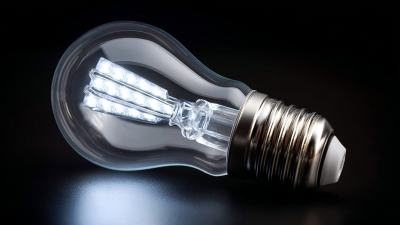
In today's unpredictable world, having reliable lighting options is essential. A Rechargeable Emergency Light Bulb offers significant advantages. These bulbs are designed for unexpected power outages, ensuring you remain illuminated when needed most. Their portability and ease of use make them practical for various situations, from home emergencies to outdoor adventures.

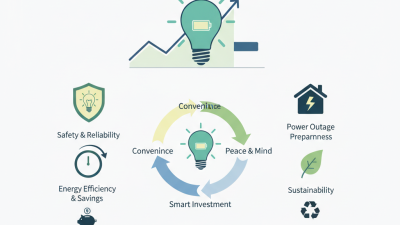
The benefits extend beyond mere convenience. With energy efficiency and long battery life, these bulbs prove to be cost-effective. No one likes to think about being left in the dark, yet the thought alone can drive decision-making. Investing in a Rechargeable Emergency Light Bulb is not just about preparedness—it's a step towards peace of mind. Every home should consider such options.

Yet, while these bulbs have many benefits, there are imperfections worth noting. Not all models provide the claimed brightness or duration. Some may fail during critical times. Reflecting on these experiences can lead to better choices. Understanding both strengths and weaknesses empowers users to enhance their safety.

Top 10 Benefits of Rechargeable Emergency Light Bulb Options?

The Convenience of Portability in Rechargeable Emergency Light Bulbs

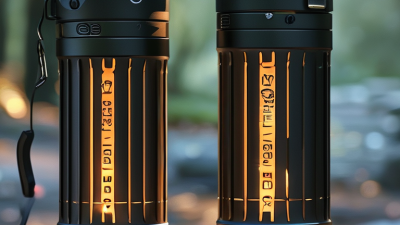
Rechargeable emergency light bulbs offer significant portability advantages. They are lightweight and easy to carry. You can quickly move them from one room to another. This feature is particularly useful during power outages. A sudden blackout leaves most people in the dark. Having a portable light source ensures safety and comfort.

These bulbs often feature built-in batteries, eliminating the need for an external power source. You simply charge them during normal use. When the power goes out, they automatically light up. This seamless transition enhances reliability and convenience. You can keep them in high-traffic areas for quick access.

However, not all rechargeable options are created equal. Some may take longer to charge. Others may not have the brightest output. It’s essential to research before purchasing. While their portability is a clear advantage, consider the charging times and brightness levels. This extra step ensures that you choose the best bulb for your needs.

Top 10 Benefits of Rechargeable Emergency Light Bulb Options

Benefit Description Portability Lifespan
Energy Efficiency Use less power compared to traditional bulbs. Lightweight and easy to carry. Last up to 25,000 hours.
Ease of Use Simple installation and operation. Can be used in multiple locations without re-wiring. Durable with low maintenance.
Safety Less risk of overheating, safe for home use. Portable and can be taken during emergencies. Long-lasting performance reduces frequent replacements.
Versatility Can be used for various tasks such as camping or power outages. Easily movable to wherever light is needed. Designed for frequent usage scenarios.
Environmentally Friendly Reduce carbon footprint with less energy consumption. Rechargeable and reduces battery waste. Longevity supports eco-friendly practices.
Cost-effective Saves on electricity bills and replacement costs. Buy once and use for years with proper care. Sustains functionality over a significant time span.
Emergency Preparedness Essential for unexpected power outages. Convenient to have on hand for emergencies. Reliable performance during critical conditions.
Multiple Light Modes Different brightness settings for various tasks. Adjustable brightness enhances usability. Prolongs battery life with lower settings.
No Wiring Required Install anywhere easily without electrical work. Can be placed in any location seamlessly. Flexible usage wherever needed.

Cost-Effectiveness: Savings Over Traditional Light Bulbs

Rechargeable emergency light bulbs offer significant cost-effectiveness compared to traditional incandescent options. According to the U.S. Department of Energy, LED bulbs can save households around $225 over their lifespan. This is particularly important in times of rising energy costs. While the initial investment in rechargeable bulbs may seem high, the long-term savings are considerable.

Traditional light bulbs usually have a lifespan of about 1,000 hours. In contrast, LEDs can last 25,000 hours or more. This means users replace them far less frequently, reducing costs associated with purchasing and disposal. Moreover, rechargeable bulbs can provide light during outages, further enhancing their value in emergency situations.

When you factor in the energy efficiency of rechargeable bulbs, the savings become even clearer. They typically consume 75% less energy than incandescent bulbs. However, it's worth noting that not all rechargeable lights provide the same brightness or reliability. Consumers sometimes find that cheaper options don’t last as long or have inconsistent performance. Choosing the right rechargeable bulb involves careful consideration but can result in substantial savings over time.

Environmental Impact: Reducing Waste with Rechargeable Options

Rechargeable emergency light bulbs significantly reduce waste compared to traditional incandescent or fluorescent options. According to the Environmental Protection Agency, millions of light bulbs end up in landfills annually, contributing to rising waste levels. Rechargeable options last longer, often providing 2,000 to 25,000 hours of lighting, which means fewer replacements and reduced waste.

Additionally, rechargeable bulbs typically use LED technology, which consumes about 75% less energy than traditional lighting. This reduction not only lowers electricity bills but also minimizes the carbon footprint associated with power generation. A study from the U.S. Department of Energy estimates that widespread adoption of LED lighting could save over $30 billion in energy costs by 2027. However, the environmental impact of battery production and disposal should not be ignored. Proper recycling practices are essential to fully realize the benefits of these innovative products.

While the convenience of rechargeable bulbs is clear, there are challenges that need addressing. For example, not all consumers are aware of the best practices for recharging and disposing of these bulbs. Education and awareness about sustainable practices are crucial to ensure that these lights don’t contribute to pollution in other ways. A balanced approach involves understanding both the benefits and the drawbacks of adopting rechargeable emergency lighting solutions.

Versatile Applications: Uses Beyond Just Emergency Situations

Rechargeable emergency light bulbs offer versatility that extends beyond typical power outages. They can be utilized for various applications around the house. For instance, during outdoor gatherings or camping, these bulbs serve as portable lights. According to the U.S. Department of Energy, energy-efficient LED lighting, including rechargeable options, can last up to 25 times longer than traditional bulbs, providing both reliability and energy savings.

Furthermore, these light bulbs are ideal for home improvement projects. When working in dimly lit areas, a rechargeable bulb can illuminate your workspace. They can greatly assist in areas like basements or attics, where conventional lighting may not reach. A report by the Lighting Research Center indicates that well-placed lighting can enhance productivity and safety by over 30%.

However, there are considerations to keep in mind. Not all rechargeable bulbs maintain their brightness over time. Users may encounter issues with battery lifespan, leading to frustration during critical moments. It’s essential to regularly check functionality and replace units as needed. Understanding these limitations ensures we use these versatile lights effectively, unlocking their full potential.

Ease of Usage: User-Friendly Features of Modern Rechargeable Bulbs

Modern rechargeable emergency light bulbs are designed with user-friendly features. Their ease of usage sets them apart from traditional lighting options. No complicated setups are needed. Just install and use them. Many models have simple on/off switches that anyone can operate. This accessibility makes them ideal for all ages.

Some bulbs come with built-in sensors. They automatically turn on during power failures. This means no fumbling in the dark to find the switch. Many products also feature a lightweight design. Users can easily move them from room to room or take them outdoors. Rechargeable batteries can last several hours. However, users must remember to recharge them regularly, which can sometimes be overlooked.

While these bulbs are convenient, some aspects need reflection. Not every model retains power for the expected duration. A short charge time can lead to frustration. Users may also find it challenging to choose from many options available. Researching and understanding features can feel overwhelming. Despite these pitfalls, the benefits of rechargeable emergency light bulbs are significant. They offer reliability and ease, making smart choices essential for user satisfaction.