How to Choose the Best Waterproof Headlamp for Your Outdoor Adventures?
When it comes to outdoor adventures, a reliable waterproof headlamp is essential. Experts agree on this point. Mark Johnson, a renowned outdoor gear specialist, emphasizes, “A good waterproof headlamp can make all the difference in navigating unpredictable terrains.” This statement underscores the significance of selecting the right headlamp.
Choosing the best waterproof headlamp involves understanding your unique needs. Wet conditions can quickly damage inadequate lighting options. Features such as battery life, luminosity, and comfort are crucial considerations. You might need a powerful beam on a dark hiking trail or a softer glow during nightly camp sessions.
Yet, not all waterproof headlamps are created equal. Many models promise durability but fail in heavy rain or wet environments. It's vital to look for reliability and customer reviews to guide your decision. Reflecting on your past experiences with headlamps can help you pinpoint the qualities you value most in a waterproof headlamp.

Choosing the Right Brightness Level for Your Waterproof Headlamp
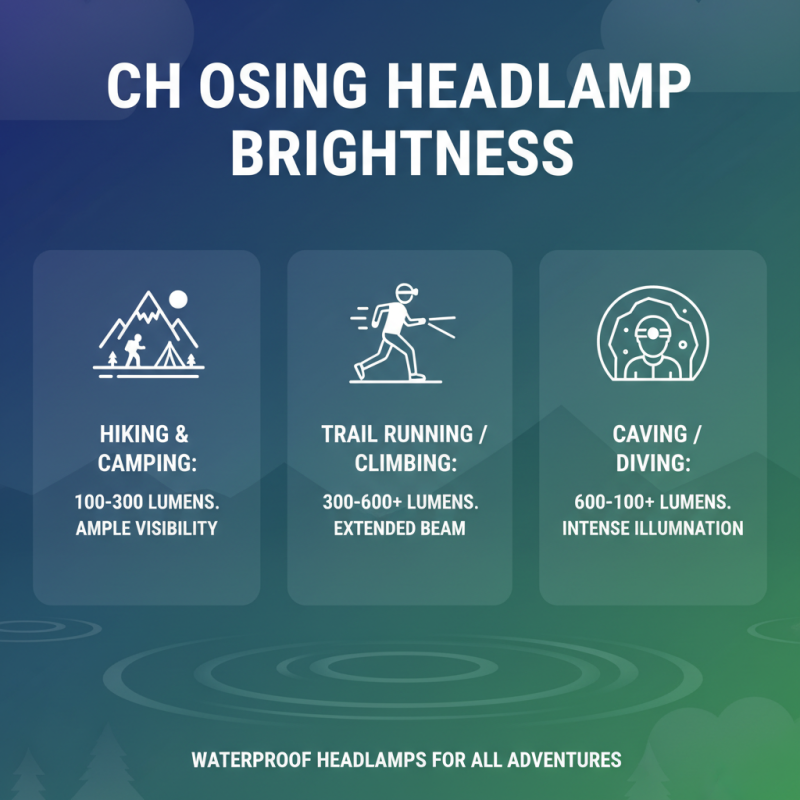
When choosing the right brightness level for your waterproof headlamp, consider your specific needs. Outdoor adventures vary greatly. Some activities require intense light, while others do not. For hiking and camping, around 100 to 300 lumens usually suffice. This brightness provides ample visibility without blinding others.
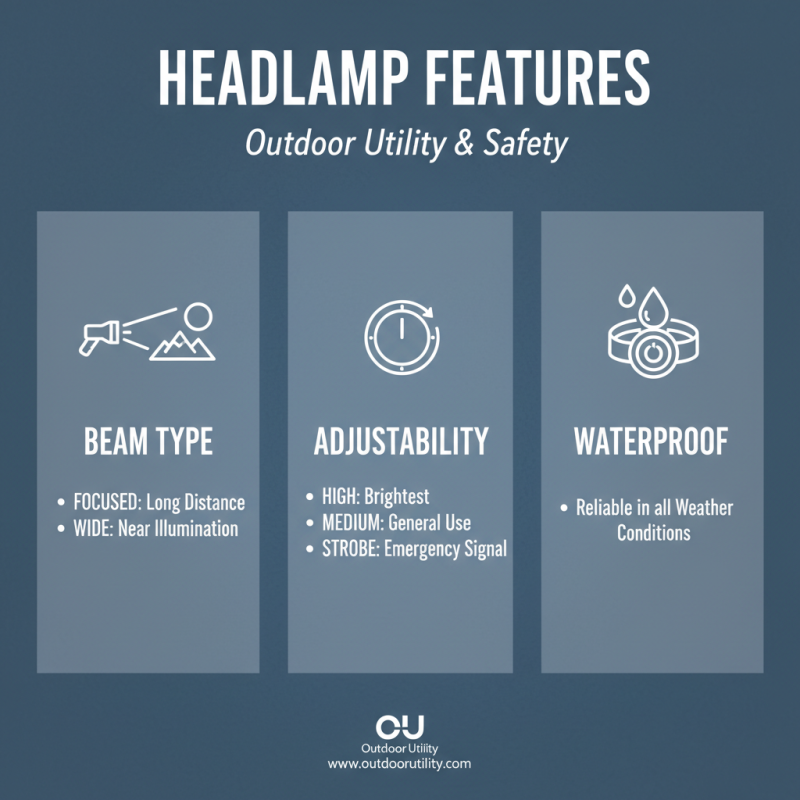
You should also think about beam distance. A focused beam is crucial for spotting distant objects. However, if you’re close to the ground, a wider beam might be better for navigating tricky terrain. Not everyone needs the brightest option available. Instead, consider how often you'll use the high setting versus lower settings. Reflect on your past adventures.
Power management is another important factor. Many headlamps have adjustable brightness levels, allowing you to conserve battery life. Think about how long you'll be out. A headlamp with various brightness options can adapt better to different situations. Remember, a lighter headlamp may be easier to wear for long periods. Choosing the right brightness level can enhance both safety and enjoyment.
Understanding IP Ratings for Waterproof and Dustproof Headlamps
When choosing a waterproof headlamp, understanding IP ratings is vital. These ratings indicate how well the device resists water and dust. IP codes, like IPX4 or IP68, can guide you through your selection. A higher number means better protection. For example, IPX4 offers splash resistance, while IP68 can withstand being submerged.
Consider your outdoor adventures. Are you hiking in the rain or working near a river? Each situation demands different headlamp capabilities. However, remember that higher ratings often come with a weight and cost premium. It’s essential to balance these factors.
Also, think about real-life scenarios. Imagine hiking for hours, only to have your headlamp fail in a downpour. Such experiences can be frustrating and dangerous. Reflect on your needs and choose wisely. Not all waterproof designs guarantee reliability under extreme conditions. Sometimes, it’s better to prioritize functionality over maximum waterproof ratings.
Waterproof Headlamp IP Ratings Comparison
Evaluating Battery Life and Power Source Options for Longevity
When selecting a waterproof headlamp, battery life and power source are critical factors to consider. A long-lasting battery ensures that your adventures aren't interrupted. Manufacturers often provide estimated runtimes, but real-life usage can vary. It’s essential to think about how you will use the headlamp. For short hikes, a battery with lower capacity might suffice. However, for extended trips, look for headlamps that utilize larger batteries or rechargeable options.
Many outdoor enthusiasts overlook the importance of power sources. Traditional alkaline batteries are readily available but can drain quickly in cold weather. On the other hand, lithium-ion batteries offer better performance in extreme conditions. They tend to last longer and perform well across various temperatures. Additionally, some headlamps feature hybrid designs, allowing for both rechargeable and disposable batteries.
Tips: Always carry an extra battery for longer trips. Test your headlamp in similar conditions to your adventure. If you depend on it for navigation, consider a headlamp with multiple brightness settings. Your safety relies on reliable gear. As technology evolves, reflect on your previous trips and consider upgrades that improve efficiency and safety.
How to Choose the Best Waterproof Headlamp for Your Outdoor Adventures? - Evaluating Battery Life and Power Source Options for Longevity
| Model |
Water Resistance Rating |
Battery Type |
Battery Life (hours) |
Lumens |
Additional Features |
| Headlamp A |
IPX7 |
Li-ion Rechargeable |
20 |
300 |
Red light mode, adjustable focus |
| Headlamp B |
IPX4 |
AAA Alkaline |
30 |
250 |
Lightweight, multiple brightness settings |
| Headlamp C |
IPX6 |
Li-ion Rechargeable |
15 |
400 |
USB-C charging, motion sensor |
| Headlamp D |
IPX8 |
NiMH Rechargeable |
10 |
500 |
Built-in power bank, waterproof case |
Assessing Weight and Comfort for Extended Outdoor Use
When selecting a waterproof headlamp for outdoor activities,
comfort and weight are crucial. A heavy headlamp can become uncomfortable after a few hours.
It’s essential to find a balance between brightness and weight. Opt for a headlamp made with lightweight materials to avoid neck strain during prolonged use.
Tips: Try on different models, adjusting the straps for a snug fit. Look for padding around the band. A comfortable headlamp stays secure without squeezing your head too tightly. If it doesn’t feel right, don't settle for it.
Consider the battery placement. Some lamps have batteries at the back, which can help balance the weight. However, others might not provide this convenience. If most of the weight is in front, it can cause discomfort over time. Explore headlamps that offer rechargeable options, reducing the need for heavy battery replacements.
Tips: Test the lamp in action. Walk around while wearing it. Notice any discomfort or pressure points. It may require several adjustments before finding the right fit. Remember, a few extra grams can make a significant difference during a long hike.
Exploring Additional Features for Enhanced Outdoor Utility and Safety
When selecting a waterproof headlamp, consider its additional features for enhanced utility and safety. One crucial aspect is the beam type. A focused beam helps in long-distance visibility, while a wider beam illuminates nearby areas. Adjustability matters, too. Being able to switch between modes such as high, medium, and strobe can significantly impact your experience in the wilderness.
Battery life is another critical feature. A headlamp with a longer battery duration allows you to embark on longer adventures without the worry of frequent recharging. Look for options with battery indicators to avoid unexpected darkness. Lightweight materials contribute to comfort on long hikes; however, an overly lightweight model may compromise durability.
Lastly, examine the headlamp’s additional safety features. A red light mode is beneficial for preserving night vision. Some models even include reflective straps for visibility in emergency situations. Reflect on your needs. Does the headlamp offer enough versatility for different outdoor conditions? Investing time in understanding these features can lead to a more rewarding outdoor experience.