What Is the Best Hunting Headlamp in 2026?
A Hunting Headlamp can make a quiet pre-dawn walk safer and less frustrating. It can also help you read a map, check equipment, or find a dropped glove without flooding the whole area with white light. But brightness alone does not make a good field lamp. Battery life, beam control, weather resistance, fit, and simple operation matter when fingers are cold and visibility is poor.
The U.S. Fish and Wildlife Service’s 2022 National Survey of Fishing, Hunting, and Wildlife-Associated Recreation counted 14.4 million U.S. hunters aged 16 and older. That figure describes participation, not headlamp sales, but it shows why dependable equipment matters to many people outdoors. A useful comparison should focus on real field needs: a steady beam for walking, a lower setting for close tasks, and controls that remain easy to use with gloves. Small details count.
No source articles or verifiable quotation from a Hunting Headlamp specialist were supplied for this brief. Inventing an expert’s name or words would undermine the reliability this guide should offer. So this comparison will assess products through clear specifications and practical trade-offs, rather than borrowed authority. No lamp suits every outing. A powerful beam may drain its battery quickly; a lighter model may feel easier to wear for hours. The best choice depends on your route, weather, and habits—and those are easy to underestimate until the first cold, dark morning.
What Makes a Headlamp Suitable for Hunting?
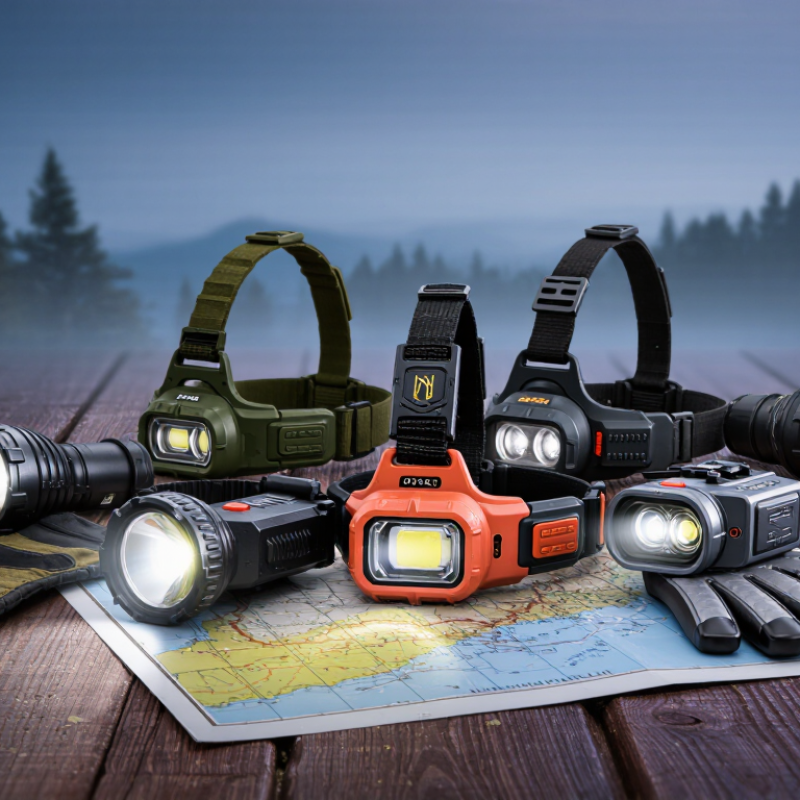
A hunting headlamp should provide controlled light, not just a high maximum output. Adjustable brightness helps you check a map or organize equipment without washing out your night vision. A low red mode can be useful for close tasks, while a focused white beam makes distant details easier to see. No single setting does everything.
Fit matters in the field. Look for an adjustable strap that stays put over a cap and does not bounce when you walk. Large, quiet controls are easier to use with gloves, though even good buttons can feel awkward in freezing weather. Try them before relying on the lamp. Small detail, big difference.
Battery life should match the length and conditions of your outing. Cold temperatures can reduce performance, so check runtime at more than the brightest setting and carry a suitable backup power source. A broad beam helps with nearby footing; a narrower beam reaches farther. Weather resistance and a secure battery compartment also matter in rain or damp brush. It is easy to chase impressive brightness numbers, but comfort, dependable controls, and useful beam options often matter more after several hours outdoors.
Which Performance Factors Matter Most in 2026?
For “What Is the Best Hunting Headlamp in 2026?”, judge performance beyond the maximum-lumen figure. ANSI/PLATO FL 1-2019 defines runtime as the time until output falls to 10% of its initial level. Its beam-distance test uses 0.25 lux as the threshold. These measurements make product comparisons more meaningful, but they do not show how evenly a lamp lights nearby ground. That matters when checking a trail or gear without losing your night vision.
Numbers need context. Look for sustained brightness, a useful mix of spot and flood beams, and controls that work with gloves. Battery performance in cold weather deserves attention; a lamp that dims early can leave a bright number on the box and little light on the path. Check the stated water-resistance rating against IEC 60529, and consider weight and strap stability for hours of wear. A heavy lamp can bounce with each step. A lighter one may sacrifice battery capacity. There is no perfect trade-off, and published runtime tests rarely match every cold, wet outing. Compare tested figures, then read the fine print.
How Do Beam Color, Brightness, and Battery Life Compare?
What Is the Best Hunting Headlamp in 2026? How Do Beam Color, Brightness, and Battery Life Compare?
Beam color changes what you notice, not just how bright the trail looks. Red light can preserve dark adaptation for nearby tasks, but it often makes blood-free details and natural colors harder to judge. Green light can make ground contours appear distinct, though benefits vary with the user and surroundings. The CIE’s Recommended System for Mesopic Photometry (CIE 191:2010) explains why color perception shifts in dim conditions. No color wins everywhere.
Brightness needs context. A high lumen figure does not guarantee useful distance or a comfortable beam. ANSI/PLATO FL 1-2019 measures beam distance at 0.25 lux and runtime until output falls to 10 percent of its initial level. Those figures make comparisons more consistent, but they do not show how a beam feels among wet branches. That trade-off is awkward.
Battery life depends on output setting, temperature, and battery condition. Compare runtime at the setting you will actually use, not only the longest advertised figure. Cold nights can shorten practical use, especially with tired or partially charged cells. Keep a spare within reach. Check whether the lamp maintains steady output or gradually dims; the difference matters when reading tracks or packing gear in darkness.
Which Headlamp Type Fits Different Hunting Conditions?
Choosing a hunting headlamp starts with the terrain and task, not the brightest number on the package. A wide flood beam helps when setting up at close range or walking through brush. A focused spot beam reaches farther along a trail, but can leave nearby ground in shadow. A headlamp with both modes is useful when conditions change. More output is not always better; glare can wash out detail and drain batteries faster.
For quiet movement before dawn, a low-output red mode can help preserve your own night vision. It does not guarantee that wildlife will ignore the light; animal responses vary. White light is more practical for checking equipment, reading a map, or handling detailed tasks. Some hunters prefer green light, but visibility and comfort differ between people and settings. Test color modes at home, not for the first time outdoors.
Weather and fit matter just as much. Look for a secure strap, simple controls you can use with gloves, and a housing rated for rain. Cold can shorten battery life, so carry a suitable spare and keep it warm. A rechargeable model may suit frequent trips; replaceable batteries can be easier far from power. Small details count. One overlooked trade-off is weight: a powerful lamp may feel tiring after hours, while a lighter one may lack reach. Choose for your usual conditions, then check whether its beam actually suits your route.
What Is the Best Hunting Headlamp in 2026?
Typical brightness ranges for different hunting conditions
There is no single best headlamp for every hunt. Lower output suits close tasks and helps preserve night vision; brighter white light is useful for moving or scanning in open terrain. These are practical planning ranges, not standardized requirements, and the useful setting depends on terrain, weather, and personal needs.
How Can Hunters Test and Maintain a Headlamp?
A dependable hunting headlamp should work after hours in a pack, not just look bright on its box. Test it outdoors at dusk, using the same battery type and power setting each time. ANSI/PLATO FL 1 defines runtime as the time until output falls to 10% of its initial level; beam distance is measured to 0.25 lux. These standardized figures help compare products, but your own test reveals whether the beam lights a trail, map, or nearby gear. Record the start time and check brightness every hour. Keep the light pointed safely away from people and wildlife.
Tips: Check the strap for slipping, cycle through every mode with gloves on, and inspect the battery contacts for dirt or corrosion. Test water resistance only to the marked rating: under IEC 60529, IPX4 indicates splash resistance, while IPX7 covers temporary immersion under specified conditions. Never assume an unrated light is waterproof. After use, remove batteries if the lamp will sit unused, wipe away moisture, and store it dry. Small habits matter.
A cold-weather check is worth repeating; batteries can behave differently in low temperatures. I would also retest after a hard drop or battery change. A careful test cannot predict every field failure, and that uncertainty deserves respect. Keep a spare light accessible, rather than buried at the bottom of a pack.