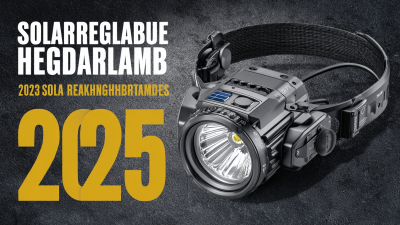
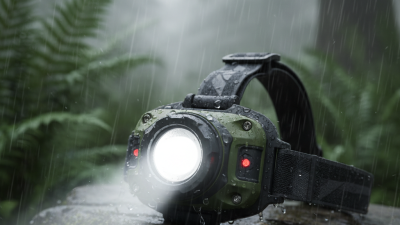
What is a Hunting Headlamp and How Does It Enhance Your Outdoor Experience?
A Hunting Headlamp is a vital tool for outdoor enthusiasts. It provides hands-free lighting, enhancing safety and visibility during nighttime activities. According to a market report by Research and Markets, the hunting headlamp industry is projected to grow significantly, driven by increased outdoor recreational participation and advancements in LED technology.
Expert John Miller, a renowned figure in outdoor gear development, emphasizes, “A quality hunting headlamp is not just an accessory; it's essential for success.” This highlights its importance not just for illumination but also for enhancing the overall hunting experience. The bright LED lights offer a range of lumens, often exceeding 300, making them effective even in dense woods.
However, challenges exist in choosing the right headlamp. The market is flooded with options, each with varying features. Users must consider brightness levels, battery life, and weight. Misleading marketing can lead to poor choices. It’s crucial for outdoor adventurers to invest time in research. The right hunting headlamp can make the difference in the woods, maximizing both safety and enjoyment.
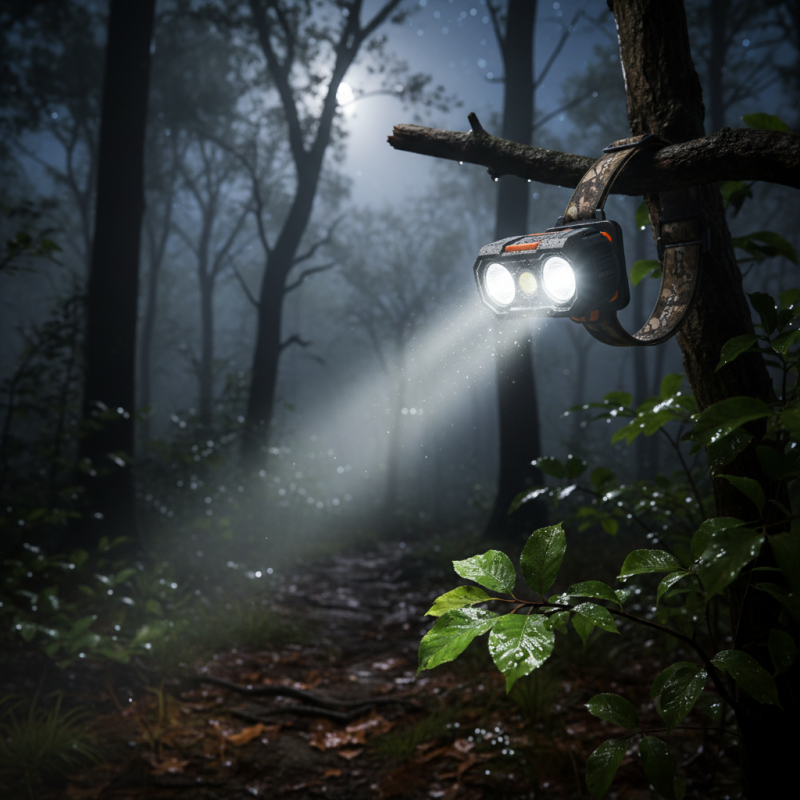
Understanding the Definition and Functionality of Hunting Headlamps
A hunting headlamp is more than just a light source. It serves various practical functions that enhance your outdoor experience. These headlamps provide hands-free illumination, allowing users to maintain focus on their surroundings. Whether you are tracking game or setting up camp, they remove the hassle of holding a flashlight.
The functionality of a hunting headlamp includes adjustable brightness levels. This feature helps in adapting to different environments. Bright settings can be useful for spotting distant animals, while dim settings prevent disturbing wildlife. Many headlamps also feature red light modes. Red light helps preserve night vision and minimizes alerting nearby animals. The lightweight design means it's easy to wear over long hours, but comfort can vary. Finding the right fit is crucial, as an uncomfortable headlamp may disrupt your concentration.
When choosing a headlamp, consider battery life. Longevity is important for extended trips, yet not all models deliver consistent performance. Some users find that recharging a dead battery mid-trip can be frustrating. Additionally, the brightness claimed by manufacturers may not match real-world use. Addressing these issues can lead to a more reliable outdoor experience.
What is a Hunting Headlamp and How Does It Enhance Your Outdoor Experience?
| Feature |
Description |
Benefit |
| Brightness Levels |
Multiple settings (low, medium, high) |
Allows customization for various conditions |
| Beam Distance |
Range typically from 50 to 200 meters |
Enhances visibility in dark environments |
| Battery Life |
Long-lasting, with some lasting up to 100 hours |
Reduces need for frequent recharging or battery changes |
| Weight |
Lightweight, typically around 100-200 grams |
Comfortable for extended wear |
| Durability |
Water-resistant and impact-resistant materials |
Suitable for rugged outdoor environments |
| Adjustability |
Adjustable headband for a secure fit |
Provides a stable light source while moving |
Key Features and Specifications of Effective Hunting Headlamps
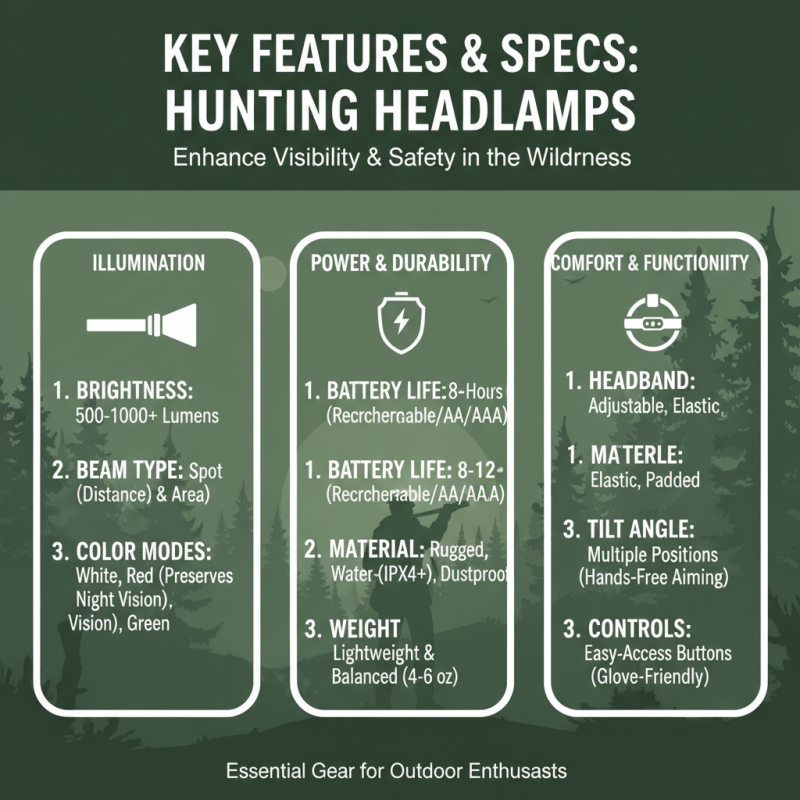
A hunting headlamp is a vital tool for outdoor enthusiasts. It provides hands-free illumination while tracking or camping. Effective headlamps are designed with specific features that enhance visibility and safety in the wilderness.
One key feature is the brightness level, usually measured in lumens. Different hunting scenarios require varying light intensities. A high lumen output can illuminate vast areas, allowing for better spotting of game. Additionally, the beam distance is crucial. A focused beam can reach far, while a wider beam covers more ground.
Battery life cannot be overlooked. Extended outings demand headlamps with long-lasting power. Rechargeable options offer convenience, but one must ensure a full charge before heading out. A weather-resistant design adds another layer of reliability. Rain or moisture can compromise functionality. Lastly, comfort is essential; the headband should be adjustable and lightweight for prolonged use. Balancing these features ensures a practical choice for any hunting adventure.
Brightness Levels and Their Impact on Outdoor Visibility
When venturing into the wild, the visibility you have can make all the difference. Hunting headlamps offer various brightness levels that enhance your outdoor experience significantly. High lumens provide powerful illumination, allowing you to see far into the distance. This is crucial for spotting potential hazards or game. A bright beam can light up a vast area, while lower settings can conserve battery and reduce glare during close tasks.
Balancing brightness levels is vital. Too much light can be overwhelming. In dark environments, transitioning to a dimmer setting can help maintain your night vision. Understanding the right level for your needs is essential. Those who hunt or hike often find that the versatility of dimming options allows for better control over their surroundings. Various lighting conditions demand different brightness levels to ensure safety and efficiency.
Sometimes, users choose a brightness level incompatible with their needs. This misalignment can lead to frustration. For instance, using a high setting when navigating dense underbrush may cause reflections and shadows, making it harder to see. Exploring these different scenarios fosters a better awareness of how light impacts your perception in the wild. Adapting to these details can truly transform your outdoor experience.
Battery Life and Energy Efficiency in Headlamp Selection
When selecting a hunting headlamp, battery life and energy efficiency are critical factors. Research indicates that up to 80% of outdoor enthusiasts prioritize these features. A reliable headlamp should run for hours, ideally exceeding 20 hours on a single charge. This is essential for night hunting or extended trips.
High-efficiency LED bulbs improve energy usage, providing bright light while conserving battery life. Studies show that LED headlamps consume up to 75% less power than traditional bulbs. However, not all LED options are equal. Some may have shorter lifespans or inconsistent brightness levels, making proper selection crucial.
Considerations also include the type of batteries used. Rechargeable options often provide longer durability and reduced environmental impact. Lithium-ion batteries, for instance, can endure more charge cycles than alkaline ones, making them more cost-effective over time. However, in extreme cold, performance can falter. Therefore, hunters should assess their environment and choose accordingly.
Battery Life and Energy Efficiency in Headlamp Selection
This chart displays the battery life in hours for various modes of headlamps, illustrating how selecting the right mode impacts energy consumption and enhances your outdoor experience.
Safety Advantages of Using Headlamps During Hunting Activities
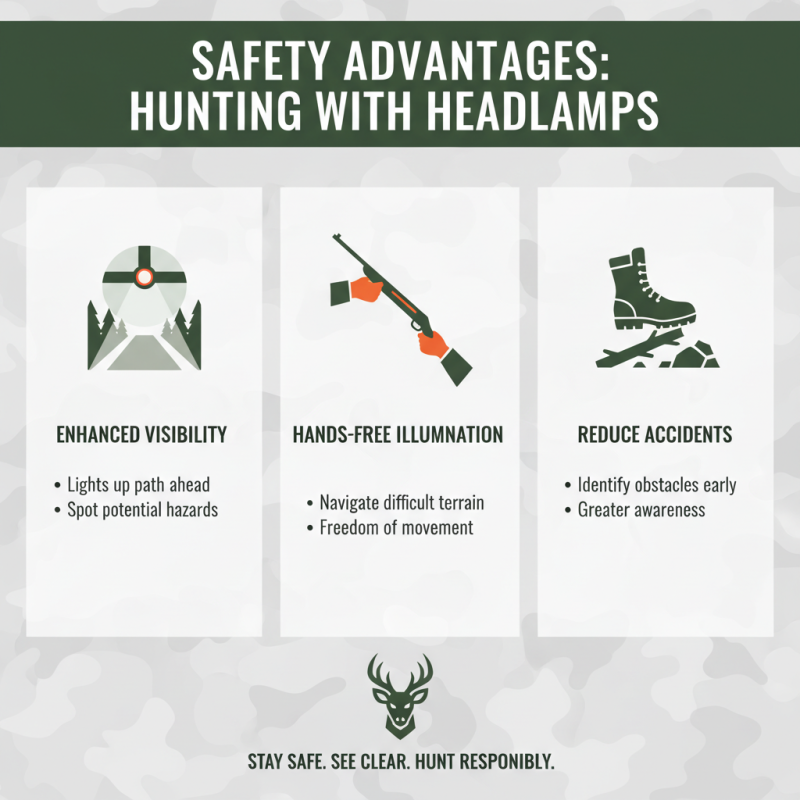
When hunting in low-light conditions, safety should always come first. A headlamp is a practical tool that enhances visibility. It provides a hands-free light source, allowing you to navigate difficult terrain. You can spot potential hazards that might lead to accidents. A good headlamp lights up the path ahead and helps identify obstacles.
Using a headlamp also increases your awareness of your surroundings. Animals can move quietly, so staying alert is crucial. With a focused beam of light, you can catch movements in the shadows. This proactive approach lets you assess situations better. However, it’s important to avoid relying solely on artificial light. Sometimes, it can create a false sense of security.
Headlamps can be heavy and cumbersome. Some hunters might neglect to adjust them properly, which can lead to discomfort. Finding the right fit is essential for a pleasant outdoor experience. Experimenting with different models is key. Keep in mind that a poorly fitted headlamp can distract you from the hunt. Careful consideration of your gear can significantly improve your safety and success while hunting.