What is Solar Powered Street Lights Benefits and Applications?
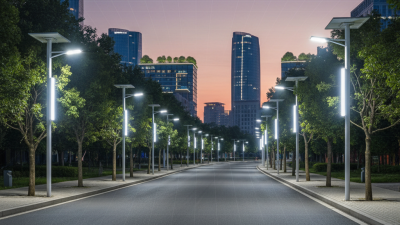
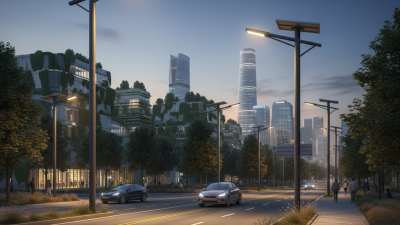
Solar Powered Street Lights are a revolutionary solution for urban lighting. These systems utilize renewable energy, reducing electricity costs and environmental impact. In recent years, cities worldwide have embraced these innovative lights. They are not just about illumination; they promote sustainability. Solar energy powers the lights, making them independent of the traditional grid. This independence can enhance community resilience.
The implementation of Solar Powered Street Lights brings several benefits. They have lower maintenance costs due to fewer moving parts. Additionally, they can be installed in remote areas without extensive wiring. However, there are challenges to consider. Weather conditions can affect their performance. Inadequate sunlight can lead to insufficient charging. Communities need to evaluate their locations carefully.
People are drawn to these lights for aesthetic and practical reasons. They enhance safety by illuminating dark areas. As cities expand, the need for reliable light sources grows. Solar Powered Street Lights represent a forward-thinking solution. However, deeper awareness is crucial. Addressing potential limitations can lead to better implementation. The future of urban lighting may very well depend on these solar innovations.

Understanding Solar Powered Street Lights: Key Benefits
Solar powered street lights are becoming increasingly popular due to their significant benefits. One of the main advantages is energy efficiency. These lights harness solar energy, which is renewable and reduces dependence on traditional power sources. According to a report by the International Energy Agency, transitioning to solar street lighting can save up to 30% in energy costs annually.
Another key benefit is sustainability. Utilizing solar power minimizes carbon emissions. The World Bank reports that solar street lights can reduce emissions by nearly 1 ton of CO2 per unit each year. This eco-friendly aspect is essential as cities strive to meet environmental goals.
When considering solar powered street lights, maintenance is a crucial factor. Though initial costs can be high, the long lifespan of solar LEDs—up to 50,000 hours—means fewer replacements. Here’s a quick tip: ensure the solar panel receives ample sunlight throughout the day for optimal performance.
While solar street lights are highly beneficial, they have limitations. In areas with prolonged cloudy weather, energy accumulation may be insufficient. It's important to assess local weather patterns before installation. Another consideration is potential theft or vandalism of solar panels. Reinforcing installations can mitigate these risks. Observing these factors can enhance the effectiveness of solar street lighting in communities.
Energy Efficiency: Comparing Solar and Traditional Street Lighting
Solar-powered street lights are gaining popularity globally. They provide significant energy efficiency compared to traditional lighting. According to a report by the U.S. Department of Energy, solar street lights can reduce energy costs by 50% to 80%. This reduction results from using solar panels that harness sunlight during the day to power LED lights at night.
The environmental benefits are notable. Traditional street lighting relies on electricity from fossil fuels, contributing to greenhouse gas emissions. In contrast, solar lights use renewable energy. A study from the Renewable Energy Policy Network indicates that solar lighting can prevent up to 10 tons of CO2 emissions per light over its lifetime.
Tip: When choosing solar lighting, consider locations with ample sunlight. Uneven power generation can hinder performance. Regular maintenance is also vital, even low-maintenance models can suffer from dust or debris buildup. Remember to assess the local climate and sunlight availability, as these factors significantly affect solar efficiency.
Environmental Impact: Reducing Carbon Footprint with Solar Technology
Solar-powered street lights offer numerous benefits for urban areas. They utilize renewable energy, reducing dependence on fossil fuels. This shift significantly lowers carbon emissions. Cities can drastically decrease their carbon footprint by adopting this technology. Each light can save a substantial amount of energy, leading to less pollution.
The environmental impact of these lights is profound. They harness solar energy, which is abundant and free. The reduction in energy consumption helps mitigate climate change. Moreover, they are often equipped with smart technology, enhancing efficiency. However, their initial installation costs can be high. Some cities may struggle with budget constraints.
In addition, solar-powered street lights can enhance public safety. They operate independently from the grid, providing light during outages. However, the availability of sunlight affects their functionality. On cloudy days, their performance may weaken. This dependency on weather patterns needs consideration in planning. Cities can benefit greatly, but it's essential to address potential challenges.
What is Solar Powered Street Lights Benefits and Applications? - Environmental Impact: Reducing Carbon Footprint with Solar Technology
| Aspect |
Details |
| Energy Source |
Solar energy harnessed through photovoltaic panels |
| Environmental Benefits |
Reduces reliance on fossil fuels, minimizing greenhouse gas emissions |
| Operational Cost |
Low maintenance and operational costs compared to traditional lighting |
| Installation Flexibility |
Can be installed in remote areas without grid access |
| Longevity |
Average lifespan of solar lights is around 25 years |
| Application |
Used in streets, parks, bike paths, and residential areas |
| Impact on Wildlife |
Low light pollution helps preserve nighttime ecosystems |
Applications of Solar Street Lights in Urban and Rural Settings
Solar street lights have gained traction in both urban and rural settings. They offer efficient lighting without relying on traditional power sources. Cities benefit from solar lights by reducing utility costs and promoting environmental sustainability. These lights are often equipped with sensors to enhance energy efficiency. In urban areas, they illuminate streets, parks, and pedestrian pathways effectively.
In rural settings, solar street lights play a crucial role in enhancing safety. They light up remote roads and community areas, reducing nighttime accidents. Solar lights are easy to install, requiring no complex wiring. This convenience is vital for areas with limited infrastructure. Furthermore, they foster a sense of security, encouraging nighttime activities and community gatherings.
Despite the benefits, challenges exist. The effectiveness of solar lights can be hampered by cloudy weather or long winters. Maintenance is also a consideration; occasional issues may arise, needing attention. Evaluating the local environment and resources is necessary to ensure sustained performance.
Benefits and Applications of Solar Powered Street Lights
Solar powered street lights provide significant benefits, including cost savings, reduced environmental impact, energy independence, lower maintenance requirements, and enhanced safety in urban and rural environments.
Economic Considerations: Cost Savings and ROI for Solar Installations
Solar-powered street lights offer significant economic advantages. Their initial installation may seem costly, but the long-term savings are substantial. These lights harness energy from the sun, reducing electricity bills. Additionally, they require less maintenance than traditional lights. This leads to long-term savings for municipalities and businesses.
Investing in solar lights can yield a quick return on investment (ROI). Typically, cities can recover their costs within a few years. Reduced energy costs and lower maintenance lead to this fast payback period. It's crucial to consider the long-term benefits versus the upfront costs.
Tip: Assess your local solar resources. Communities with ample sunlight will see greater benefits.
However, some challenges may arise. Depending solely on solar energy might be problematic during cloudy days or winter months. It's essential to evaluate the solar potential of your area.
Tip: Regularly check for shade. Trees or buildings can limit sunlight exposure.
Careful planning and analysis will maximize the effectiveness of solar-powered street lights. Consider integrating battery backups to ensure illumination during non-sunny periods.