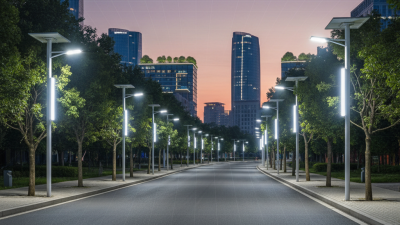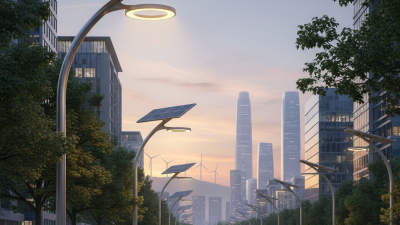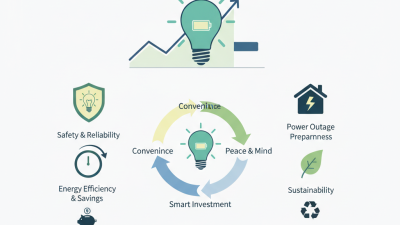
In recent years, the demand for Solar Powered Street Lights has surged. According to a report by MarketsandMarkets, the global solar street lighting market is expected to reach $5.2 billion by 2025. This growth is driven by the need for sustainable energy solutions in urban development. Many cities are now prioritizing eco-friendly options that reduce carbon footprints.
Choosing the right Solar Powered Street Lights requires careful consideration of various factors. It's not merely about aesthetics or initial costs. Factors like brightness, battery life, and solar efficiency play crucial roles in performance. Misunderstanding these aspects can lead to installations that fail to meet lighting needs.
Street lighting is essential for safety and navigation, especially at night. Therefore, making an informed decision is vital. A wrong choice impacts not only cost but also community safety. Conducting thorough research ensures you select products that genuinely align with your specific requirements. It's essential to balance innovation with practicality.
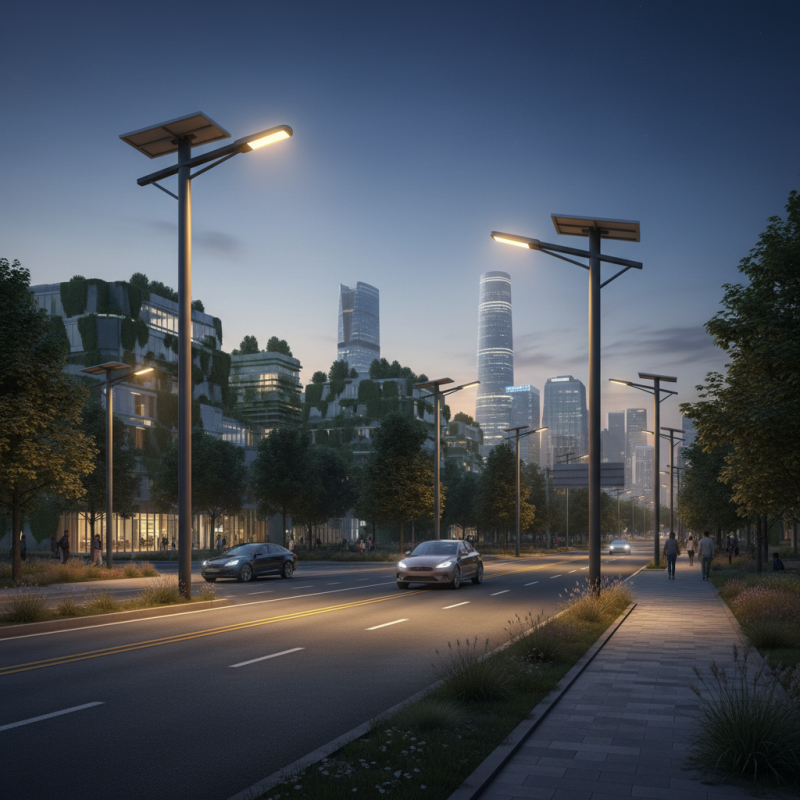
When selecting solar powered street lights, understanding your lighting requirements is essential. Consider the area you wish to illuminate. A parking lot needs brighter lights compared to a quiet pathway. Evaluate the height of existing structures and surrounding trees. Shadows can drastically affect light distribution and intensity.
Light output is another crucial factor. Measure the square footage of the area. This determines how many lights you need for adequate coverage. You might also want to assess the specific tasks in that area, like security or aesthetic lighting. Not all areas will have the same needs. Some may require lights that can adjust in brightness.
Battery capacity is equally important. A light with a small battery may not last through the night, especially in winter months. Think about how often sunlight reaches the location. Are there obstructions like towering buildings? This affects solar panel efficiency. Without careful consideration, you could end up with inadequate lighting. Take time to explore and analyze all these factors before making a final decision.
When evaluating solar technology options for street lights, consider efficiency and design. Different solar panels have varying conversion rates. Monocrystalline panels offer high efficiency but come at a higher cost. Polycrystalline panels are less efficient but more affordable. Understanding these types is crucial for making an informed decision.
Battery storage is another key aspect. Lithium-ion batteries are popular for their long lifespan and efficiency. However, they can be pricey. Lead-acid batteries are cheaper but may not last as long. Assessing your needs will help determine which option suits you best. Reflect on the energy demands of your area when choosing the battery type.
Lighting technology is equally important. LED lights are energy-efficient and offer bright illumination. However, not all LEDs are equal. Look for high-quality options to avoid premature dimming. Think about the specific lighting needs of your space. Finding the right balance between cost and performance often requires careful evaluation.
When choosing solar powered street lights, battery life is crucial. A reliable battery ensures the lights illuminate throughout the night. Look for lithium-ion or lithium iron phosphate batteries. They typically offer longer life cycles and faster charging times. Understanding the capacity of these batteries in amp-hours will help determine how long they last on a full charge.
Performance varies based on factors like solar panel efficiency and location. Urban areas may have obstructed sunlight, reducing energy capture. Consider solar lights with larger panels or additional energy storage. Some systems can adjust brightness based on available charge. This feature can extend operation during cloudy days.
It's vital to check for user reviews. These provide real-world insights into battery performance. Some lights may not deliver as promised. Customer feedback can highlight issues with battery longevity and reliability. Be aware that not all solar street lights are created equal. Research and compare options thoroughly before making a decision.
| Model | Battery Type | Battery Capacity (Ah) | Average Runtime (Hours) | LED Power (W) | Lumen Output |
|---|---|---|---|---|---|
| SL-100 | Lithium-ion | 30 | 12 | 20 | 2500 |
| SL-200 | Lead-acid | 40 | 10 | 30 | 3000 |
| SL-300 | Lithium-ion | 50 | 15 | 40 | 3500 |
| SL-400 | Lead-acid | 60 | 18 | 50 | 4000 |
When considering solar powered street lights, location and environmental impact are crucial. The placement of street lights affects their efficiency. Areas with ample sunlight should utilize solar options. This ensures maximum energy absorption during the day. Shadowy spots, like those under large trees, may not harness enough sunlight. Choosing the right spot is essential for optimal functionality.
Environmental impact is another key factor. Solar lights help reduce carbon emissions. They rely on renewable energy instead of fossil fuels. This supports global efforts to combat climate change. However, the materials used in solar lights matter too. Some components may harm the environment during production or disposal. An informed decision about materials can enhance sustainability.
Reflect on your specific needs. Are you lighting a busy street or a quiet park? The purpose will influence your choices. Consider how the lights will impact local wildlife and ecosystems. You might find that some models are more suitable than others. Taking the time to evaluate these aspects can lead to better outcomes for your project.
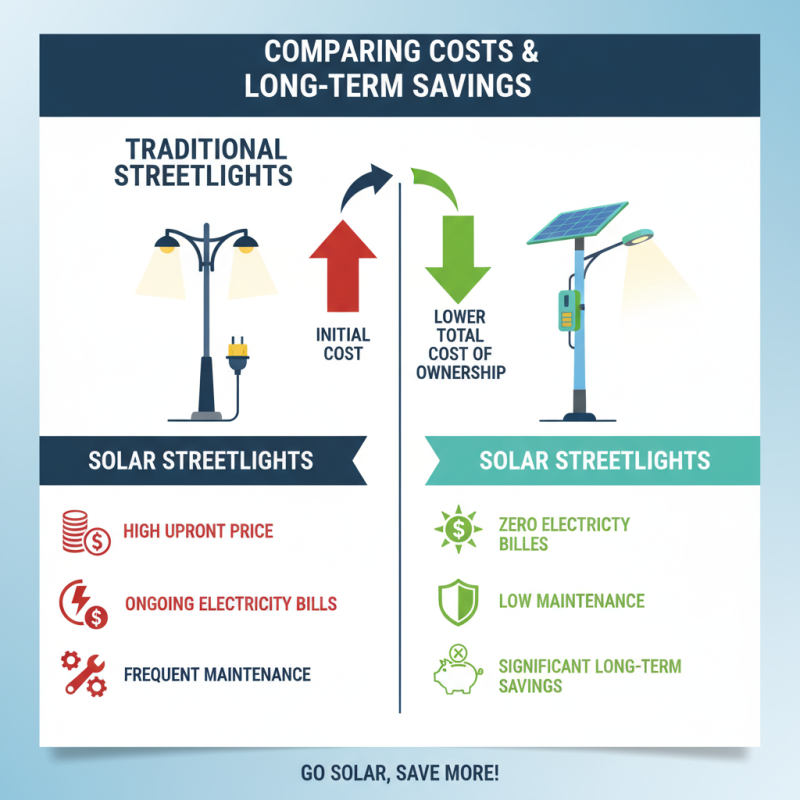
When considering solar powered street lights, the cost is a major factor. Initially, the price may seem high compared to traditional lighting. However, over time, solar street lights offer significant savings. They eliminate electricity bills and require less maintenance. This leads to a lower total cost of ownership.
The long-term benefits often outweigh the upfront expense. A typical solar street light can last for over 25 years. This longevity means that over time, you spend less on replacements. In addition, maintenance costs are minimal. You might only need to clean the solar panels occasionally. This reliability can save both time and money.
While the benefits are clear, it's essential to assess your specific needs. The environment where the lights will be installed matters. Areas with more sunlight yield better performance. Factors like weather patterns should also be considered. A thorough analysis will ensure that your investment in solar lighting pays off effectively.