Top 10 Benefits of Solar Powered Street Lights in China
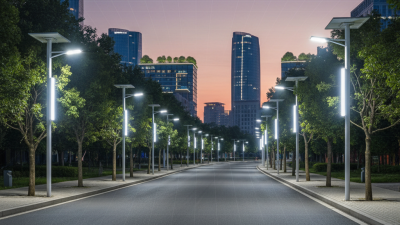
In recent years, China has embraced the innovation of Solar Powered Street Lights, revolutionizing urban lighting. Experts in the renewable energy sector, like Dr. Li Wei, note the impact of this technology. He states, "Solar Powered Street Lights can significantly reduce electricity costs while enhancing community safety."
These lights harness solar energy, a clean and sustainable resource. They work independently of the electrical grid, ensuring lights remain operational even during outages. With urbanization on the rise, solar technology offers a reliable solution to the growing energy demand. However, challenges exist, such as initial installation costs and maintenance concerns.
Despite these hurdles, the benefits are profound. They promote environmental sustainability and lower energy bills for municipalities. More cities are looking to integrate Solar Powered Street Lights. This technology not only brightens streets but also aligns with global efforts to reduce carbon footprints. As cities explore this transition, reflection on both advantages and shortcomings is essential. Embracing solar energy can lead to a brighter, cleaner future.
Benefits of Solar Powered Street Lights: An Overview
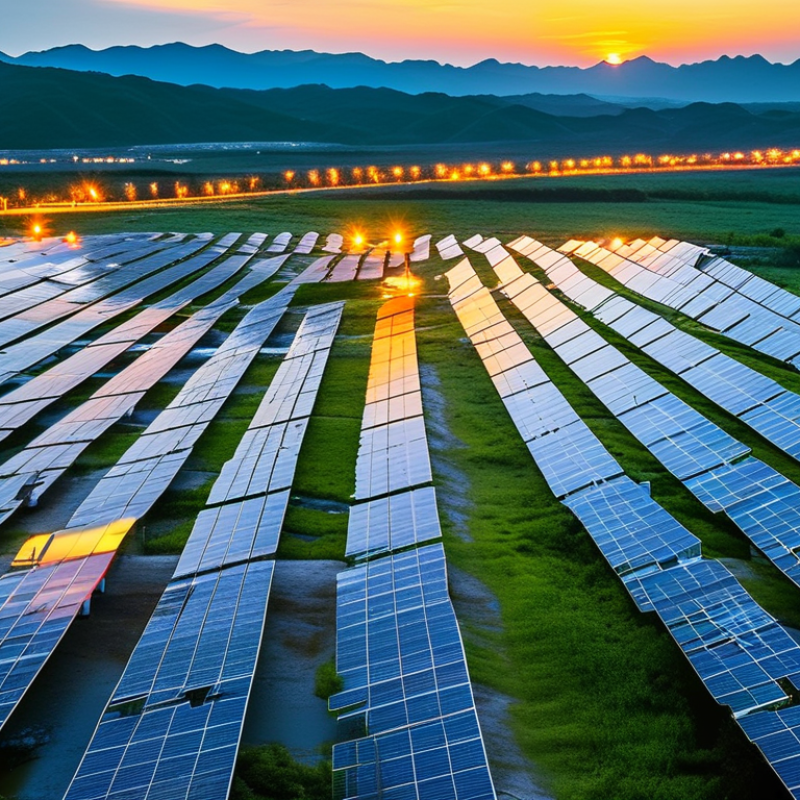
In recent years, solar powered street lights have gained prominence in China. They offer an eco-friendly alternative to traditional lighting. According to a report from the China Renewable Energy Society, these systems can reduce energy costs by up to 80%. This significant savings is a major draw for municipalities looking to manage budgets better.
Solar powered street lights are not only cost-effective but also enhance safety. They provide reliable lighting in areas that previously experienced darkness. A study by the National Institute of Standards and Technology reported a notable decline in nighttime accidents in regions with solar lights. However, some concerns about their performance persist. For instance, in regions with prolonged cloudy weather, solar lights may struggle to maintain brightness, leading to inconsistent lighting levels.
The environmental benefits are considerable. Solar lights contribute to reduced carbon emissions. The potential reduction could reach over 30 million tons annually, as stated by the China Energy Research Institute. Additionally, the autonomous nature of these systems means lower maintenance needs. Yet, the initial installation costs can still act as a barrier for some communities. Balancing upfront investments with long-term savings remains a topic for ongoing dialogue.
Top 10 Benefits of Solar Powered Street Lights in China
This bar chart illustrates the key benefits of solar powered street lights in China, highlighting their advantages such as cost savings, environmental impact, and energy efficiency.
Environmental Impact of Solar Powered Street Lights
The environmental impact of solar-powered street lights is significant in China. These systems utilize renewable energy, reducing the reliance on fossil fuels. By harnessing sunlight during the day, they provide clean energy for nighttime lighting. This transition contributes to lower carbon emissions. It plays a crucial role in combating climate change.
Moreover, solar street lights reduce light pollution. Traditional street lights often emit harsh, excessive light. In contrast, solar options can offer adjustable brightness. This helps maintain a more natural night environment. Wildlife can thrive, and communities experience less disruption. While the benefits are clear, some issues remain. The initial costs can deter local governments. Maintenance is also a concern, especially in remote areas. Proper training is essential for technicians to manage the technology effectively.
Ultimately, while solar-powered street lights hold promise, challenges exist. They offer a glimpse into a sustainable future. Communities must weigh the benefits against potential drawbacks to make informed decisions.
Cost Efficiency and Economic Advantages in Urban Areas
Solar powered street lights are gaining traction in China's urban landscapes. Their economic advantages are significant. For one, these lights cut electricity costs dramatically. They use solar panels, reducing reliance on traditional energy sources. This transition not only saves money but also contributes to a greener environment.
Urban areas benefit from lower installation costs too. Traditional street lights require extensive wiring and infrastructure. In contrast, solar lights are simpler to set up. Cities can prioritize areas that need lighting quickly. The reduced maintenance costs further enhance their appeal. Fewer electrical components mean fewer breakdowns.
However, challenges exist. Initial investment can be high for some municipalities. Not all regions receive consistent sunlight, impacting efficiency. Some urban planners might hesitate to adopt this technology at first. These concerns need to be addressed for wider adoption. Yet, as awareness grows, the benefits of solar street lights in China become clearer.
Enhanced Public Safety with Solar Street Lighting
Solar street lighting offers significant advantages for public safety in urban environments. First and foremost, these lights illuminate dark areas, reducing crime rates. Well-lit streets deter criminal activities. Residents feel safer walking at night, enhancing community interaction and engagement.
Moreover, solar-powered street lights operate independently of the grid. This feature ensures consistent lighting during power outages. Areas with limited infrastructure benefit from this reliability. Additionally, the natural energy source reduces the environmental impact, promoting sustainability. However, initial costs can be a concern, necessitating careful budgeting.
Yet, not all locations are ideal for solar lights. Some may experience limited sunlight due to tall buildings or heavy tree cover. Cities must assess their unique environments before widespread implementation. Continuous evaluation is essential to ensure these lights meet safety goals effectively. Striving for improvement can make a significant difference in public safety and overall community well-being.
Top 10 Benefits of Solar Powered Street Lights in China - Enhanced Public Safety with Solar Street Lighting
| Benefit |
Description |
Impact |
| Enhanced Visibility |
Solar street lights provide bright illumination for safer roads and sidewalks. |
Reduced accidents and increased pedestrian safety. |
| Cost Savings |
Lower electricity bills since solar lights use renewable energy. |
Significant long-term financial benefits for municipalities. |
| Environmental Impact |
Reduced carbon footprint by utilizing clean solar energy. |
Contribution to sustainable urban development. |
| Energy Independence |
Reduces reliance on grid electricity. |
Increased energy security for public lighting. |
| Low Maintenance Costs |
Long lifespan and use of durable materials minimize upkeep. |
Lower operational costs for local governments. |
| Ease of Installation |
Quick setup without need for extensive infrastructure. |
Faster deployment in urban areas. |
| Enhanced Security |
Improved safety for citizens in illuminated public spaces. |
Deterrent to crime in poorly lit areas. |
| Technological Integration |
Smart features such as motion sensors and remote monitoring. |
Optimized energy usage and real-time data analysis. |
| Aesthetic Appeal |
Modern design enhances the landscape of urban areas. |
Improved public perception and satisfaction. |
| Community Engagement |
Promotes local involvement in sustainable practices. |
Increased community pride and awareness. |
Technological Innovations in Solar Street Light Designs
Solar street lights have gained traction in China, bringing innovative designs and sustainable solutions. These lights harness solar energy, converting sunlight into electrical power. New technologies in solar panels enhance efficiency, allowing for better energy capture throughout the day. Many designs now feature adjustable angles, ensuring optimal sun exposure.
Moreover, advancements in battery storage technology are noteworthy. Modern solar lights can store more energy, providing longer illumination periods. Some systems even include smart technology, enabling lights to adjust brightness based on surrounding conditions. This means they can illuminate brighter in darker areas and dim when sufficient natural light is present.
Despite their benefits, there are challenges. Installation costs can be high, and maintenance requires skilled professionals. Some rural areas face difficulties due to limited sunlight or heavy pollution that blocks sunlight. These factors can hinder effectiveness. Reflecting on these imperfections helps improve future designs and solutions.