What is a Solar Security Light and How Does it Enhance Safety?
A Solar Security Light is a vital component in enhancing safety for homes and businesses. These lights provide illumination with minimal energy consumption, thanks to solar power. As crime rates fluctuate, the need for effective lighting solutions grows. Solar Security Lights act as a deterrent against potential threats. They illuminate dark areas where intruders could hide.
In addition to their safety benefits, these lights are easy to install and maintain. Many come with motion detectors, ensuring they activate only when needed. This feature not only saves energy but also prolongs the lifespan of the light. The technology behind these lights is advancing rapidly, making them more efficient and reliable.
Despite these advantages, some users may find the performance varies due to weather conditions. It’s essential to install them in areas with ample sunlight exposure. Investing in a high-quality Solar Security Light can significantly improve safety. However, proper placement and maintenance are crucial for optimal performance. As with any security measure, it’s important to evaluate the overall effectiveness regularly.
Definition and Functionality of Solar Security Lights
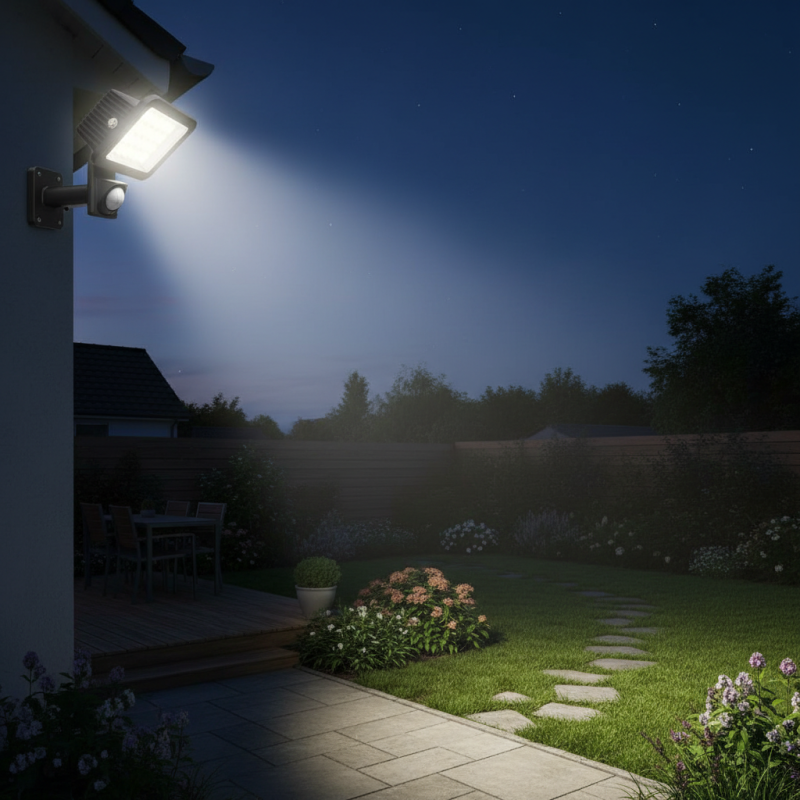
Solar security lights are innovative devices designed for outdoor safety. They harness solar energy, making them eco-friendly and cost-effective. These lights typically feature motion sensors, which activate the light when someone approaches. This immediate illumination can deter potential intruders, enhancing security in residential and commercial areas.
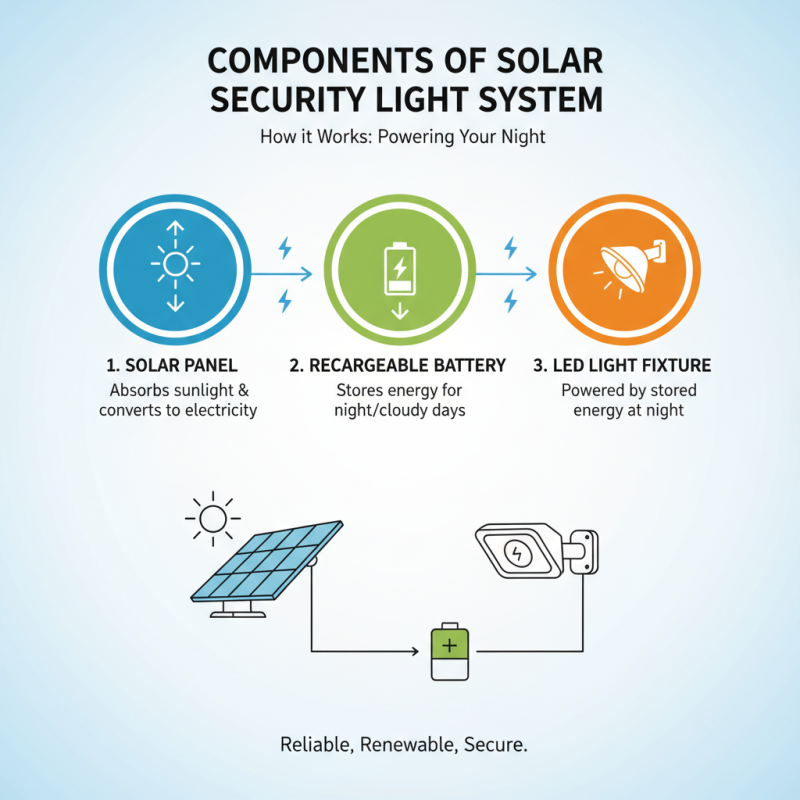
The functionality of solar security lights is straightforward yet effective. They collect sunlight during the day and store it in batteries. When triggered by movement, they emit bright light, illuminating dark spaces. This sudden brightness not only alerts property owners but can also startle would-be trespassers. However, the effectiveness can depend on the placement of these lights and the level of sunlight they receive.
While solar security lights offer many benefits, challenges persist. Their performance may decrease in winter or cloudy weather, raising concerns about reliability. Additionally, the sensitivity of motion sensors can lead to false alarms, which may frustrate users. It's essential to evaluate specific needs and local conditions when considering these lighting solutions for enhanced safety.
Benefits of Using Solar Security Lights for Home Safety
Solar security lights are rapidly becoming a popular choice for enhancing home safety. One significant benefit is that they can deter criminal activity effectively. According to the Bureau of Justice Statistics, homes with adequate outdoor lighting experience a 30% reduction in burglary incidents. The visibility provided by solar lighting creates an uninviting atmosphere for potential intruders.
Installing solar lights also contributes to energy savings. Research from the U.S. Department of Energy indicates that outdoor lighting accounts for nearly 30% of residential electricity use. Solar security lights provide illumination without impacting the electric bill. They harness sunlight during the day, which is converted into energy for nighttime use. This sustainable approach not only benefits homeowners financially but also promotes eco-friendliness.
Yet, challenges remain in ensuring optimal placement and performance. Factors like tree cover and the direction of sunlight can hinder efficiency. Homeowners should regularly check their units for functionality to ensure that they illuminate adequately when needed. It might be beneficial to consult local experts to optimize the setup. Properly positioned, these lights enhance security while being cost-effective.
What is a Solar Security Light and How Does it Enhance Safety?
| Dimension |
Data |
| Light Source |
LED |
| Battery Type |
Lithium-Ion |
| Solar Panel Capacity |
20W |
| Motion Detection Range |
30 ft (9 m) |
| Light Duration on Detection |
30 seconds |
| Water Resistance Rating |
IP65 |
| Average Charging Time |
6-8 hours |
| Operation Temperature |
-20°C to 60°C (-4°F to 140°F) |
| Estimated Lifespan |
50,000 hours |
| Installation Type |
Wall-mounted |
Factors to Consider When Choosing a Solar Security Light
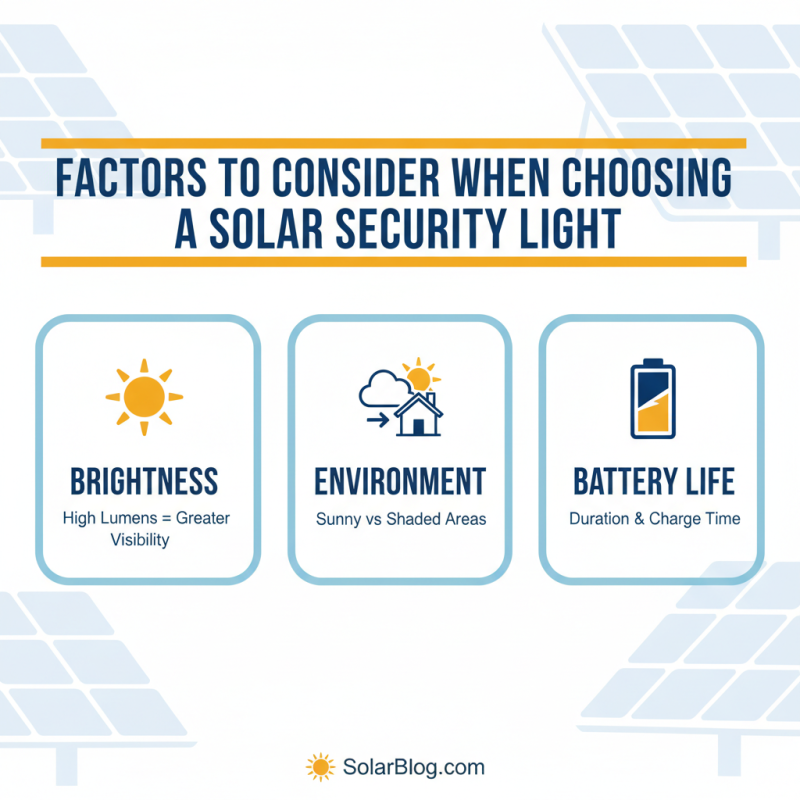
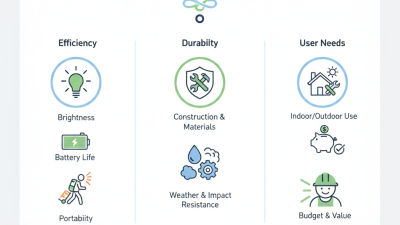
When choosing a solar security light, several factors demand close attention. The brightness of the light is crucial. High lumens indicate a brighter output, enhancing visibility in dark areas. Consider the environment where the light will be installed. Some lights work well in sunny regions, while others may fail in shaded areas.
Battery life and solar panel efficiency are also essential. A light that charges quickly but drains fast may not provide reliable security. Look for models with durable materials. Weather-resistant features ensure longevity. Many designs claim to be easy to install, but some require tools and expertise. This can lead to frustration if not addressed beforehand.
Lastly, think about the sensor features. Motion detection is vital for efficiency. Some lights activate at specific distances. However, overly sensitive sensors can lead to false alarms. Balancing these elements will help you find a solar security light that truly enhances safety. Adjusting to your needs may take time and experimentation.
Installation and Maintenance Tips for Solar Security Lights
Installing a solar security light can be straightforward, yet it requires some careful thought. Choose a location that gets ample sunlight during the day. The more sunlight your solar panel absorbs, the longer your light will shine at night. Avoid placing it under trees or eaves that might block sunlight. Mounting height is also crucial; typically, a height of 6 to 8 feet works best. This reduces the risk of tampering while providing an effective light beam.
Maintenance is equally important for optimal performance. Regularly clean the solar panel to remove dust and debris. A clean panel can significantly improve energy absorption. Additionally, check the batteries every few months. If the light starts to dim, it may be time for a replacement. Keep an eye out for any signs of wear or damage over time. Addressing small issues early can prevent larger problems later. Create a simple checklist to ensure you don’t overlook regular maintenance tasks.
Solar Security Light Features Comparison
This bar chart illustrates the important features of solar security lights, including brightness (in lumens), battery life (in hours), charging time (in hours), and detection range (in feet). Such data helps in understanding the performance and suitability of these lights for enhancing safety.