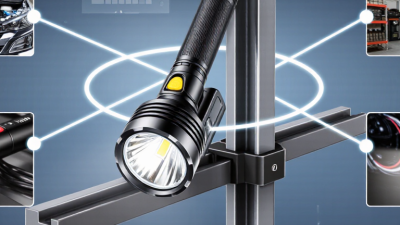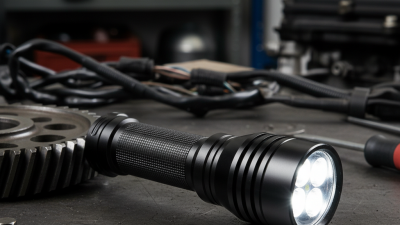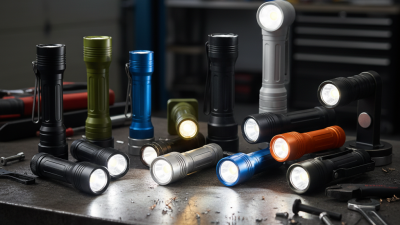
A Magnetic Flashlight is a portable light with a magnet that lets it attach to a metal surface. The magnet may sit in the base, on a clip, or along the body. Set one on a steel cabinet, vehicle panel, or workshop beam, and it can hold the light while you use both hands. That is useful when checking a fuse box or looking beneath a sink. Not every surface is magnetic, though. Aluminum and many stainless-steel items will not hold it.
The magnet usually does not power the light. In most models, a battery supplies electricity to an LED, while the magnet simply helps position the flashlight. Some separate designs generate power when a magnet moves through a coil; they are often called shake or induction flashlights. The distinction matters. A magnetic mount and magnetic power generation are different features, even when product descriptions make them sound alike. When choosing a model, check its battery type, brightness rating, magnet strength, and stated runtime. A flashlight that clings firmly to a clean steel panel may slip on a curved or painted one. Small detail. Real use can be messier than a product description suggests. This guide explains what magnetic flashlights are, how their magnets and electrical components work, and what to check before relying on one for a task.
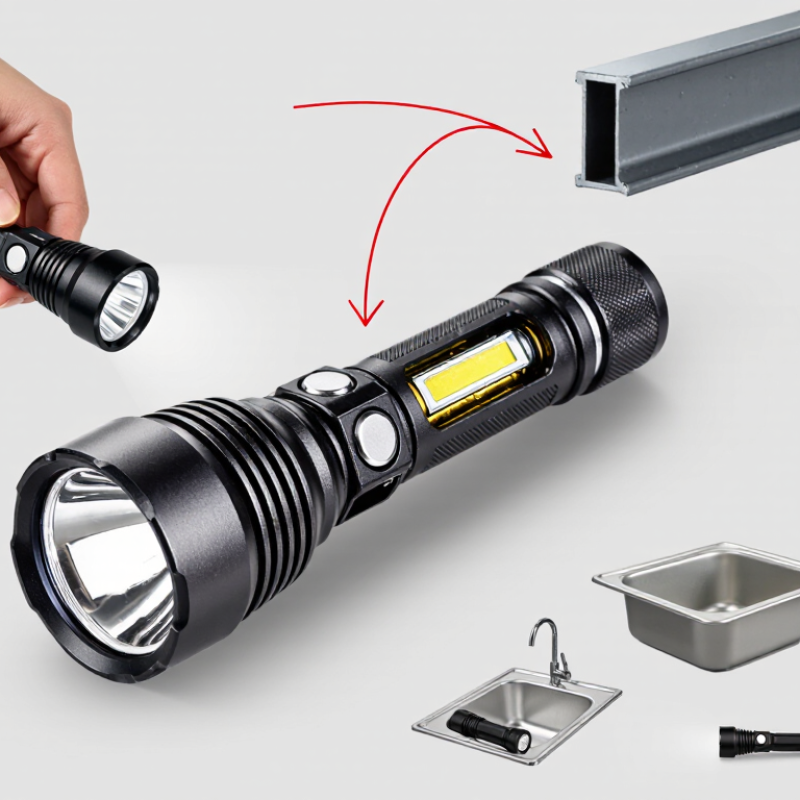
A magnetic flashlight is a portable light with one or more permanent magnets built into its base, clip, or housing. The magnets let it attach to a ferrous surface, such as a steel cabinet or vehicle body, leaving both hands free. Not magic. The magnet holds the flashlight in place; a battery supplies electricity, and a switch completes the circuit that powers the lamp. Many current models use LEDs, which produce light efficiently and generate less heat than older incandescent bulbs.
The U.S. Department of Energy’s Energy Saver guidance says LEDs use at least 75% less energy and can last up to 25 times longer than incandescent lighting. That comparison describes LED lighting generally, not magnetic flashlights specifically. A magnetic mount also has limits: it may not stick to aluminum, and its grip depends on the magnet, surface thickness, and angle. On a dusty steel panel, even a strong magnet can feel less secure than expected. Check the hold before working beneath or around the light. The magnet adds convenience, not illumination, and it does not make the flashlight self-powered.
A magnetic flashlight uses a magnet—often in its base or clip—to attach to ferromagnetic surfaces such as steel. This chart shows how the magnetic field along an ideal dipole magnet’s axis decreases with distance. Values are relative to the field at the reference distance (r₀); they are not measurements of a specific flashlight or its holding force.
A magnetic flashlight combines a light source, power system, controls, housing, and magnet. The LED produces the beam; a small driver regulates current from the battery. That circuit matters. Poor regulation can cause flicker or uneven brightness as the battery drains. A switch completes or interrupts the circuit, while seals around the housing help limit dust and moisture entry.
The magnet is usually fixed to the tail cap or a side mount. It holds the flashlight against a steel cabinet, vehicle panel, or workbench, leaving both hands free. Strength depends on magnet size, contact area, and surface condition. Paint, rust, or a curved panel can weaken the hold. It may still slip. A pivoting head, when included, directs light into tight spaces without moving the base.
Battery chemistry and LED efficiency shape runtime and heat. The U.S. Department of Energy’s LED Lighting guidance reports that LEDs use at least 75% less energy and can last up to 25 times longer than incandescent lighting. That comparison is useful, but it does not guarantee a particular flashlight’s runtime. Battery capacity, temperature, and brightness setting also matter. For a practical check, compare rated lumens and runtime under the ANSI/PLATO FL 1 flashlight-testing standard, and inspect the charging port cover and magnetic base for wear.
| Component | Main Function | How It Works | Common Characteristics |
|---|---|---|---|
| Permanent magnet | Attaches the flashlight to suitable metal surfaces. | The magnet produces a magnetic field that attracts ferromagnetic materials such as many types of steel. It does not power the light. | Usually mounted at the base or on a movable attachment. Holding strength depends on magnet size, surface condition, material, and contact area. |
| LED emitter | Produces the visible light. | Electrical current passes through a semiconductor junction, generating light through electroluminescence. | LEDs are efficient and durable light sources. Brightness is commonly stated in lumens, though actual output varies by design and operating mode. |
| LED driver circuit | Controls the electrical power supplied to the LED. | The driver regulates current so the LED can operate within its intended electrical limits. It may also manage different brightness modes. | May provide steady output, multiple modes, or low-battery protection, depending on the flashlight design. |
| Battery | Stores energy for operating the light. | The battery supplies electrical energy to the driver and LED. Rechargeable models may use lithium-ion cells; other designs may use replaceable batteries. | Capacity is often expressed in milliamp-hours (mAh) for rechargeable cells. Runtime depends on capacity, brightness, efficiency, and operating conditions. |
| Switch or control button | Turns the flashlight on and off and may select lighting modes. | The switch completes or interrupts the electrical circuit, or sends a signal to an electronic controller. | Common designs include push-button, slide, and rotary controls. Some models use a magnetic switch that operates through the housing. |
| Reflector or optical lens | Shapes and directs the light beam. | A reflector gathers and redirects light from the LED; a lens refracts or diffuses light to create a particular beam pattern. | A focused optic can produce a narrower beam, while a broader optic can provide more even nearby illumination. |
| Housing and seals | Protect the internal components and provide a grip and structure. | The body supports the LED, battery, circuit, and magnet. Seals around openings can help limit the entry of dust or water. | Often made from metal or impact-resistant plastic. Water resistance varies by model and should be checked against its stated rating. |
| Charging port or charging contacts | Restore energy to a rechargeable battery. | External power reaches the battery through a charging circuit, either via a port or through contact points on the flashlight. | Not present on every model. The charging method and compatible power source depend on the design. |
How the parts work together: The battery supplies energy to the driver, which controls current to the LED. The reflector or lens shapes the emitted light, while the permanent magnet lets the flashlight attach to compatible metal surfaces.
A magnetic flashlight turns hand movement into electrical energy. In a common design, a magnet slides through a copper coil when you shake the casing. The magnet’s movement changes the magnetic field around the coil. That change induces an electric current. No disposable batteries are needed.
Inside, a small circuit directs the current to a capacitor or rechargeable cell. The stored energy powers the LED when you switch on the light. The faster and longer you shake it, the more energy it may collect, though the exact output depends on the design. The physics is neat, but the result is not magic: a few quick shakes may only provide brief, modest light. I find this trade-off easy to underestimate. A magnetic flashlight can be useful during a power outage, but it may not replace a bright everyday light.
Tips: Shake the flashlight in steady, full strokes, following its instructions. If the beam dims quickly, give it more motion or check whether its storage cell needs attention. Test it before relying on it outdoors.
A magnetic flashlight stores energy created by motion. Inside its tube, a magnet slides past a coil of wire when the flashlight is shaken. That changing magnetic field induces an electric current. A small circuit directs the current and charges a capacitor or rechargeable cell, depending on the design. The magnet does not simply “hold” the light’s power. The motion matters.
A capacitor stores electrical energy briefly, then releases it to the LED when you switch the flashlight on. The LED converts that energy into light, while a control circuit helps regulate the flow. With each shake, the magnet travels through the coil again, adding more charge. A few seconds of movement may provide a short burst of light, not necessarily a long, steady beam. Design and condition affect the result.
The familiar phrase “magnetic power” can be misleading. A stationary magnet alone will not keep the LED lit; energy must be transferred through movement and stored in the circuit. If the light fades quickly, the capacitor may be small, or the shaking may have produced little charge. It is a clever system, though not an endless one.
Magnetic flashlights come in several practical designs. A common type has a magnet in its tail cap, allowing it to stand upright or cling to a steel panel. Other lights use a magnetic side clip or a swivel head, keeping the body in place while directing the beam into a narrow gap. Compact inspection models may include a flexible neck. Not always sturdy.
These designs are useful when both hands are occupied: checking beneath a sink, looking behind an appliance, or inspecting a car’s engine bay. A tail magnet can hold a beam on a metal hood, while a pivoting head can illuminate a bolt or hose. Some compact lights fit easily in a tool bag. They offer little help on wood, plastic, aluminum, or other surfaces that magnets cannot grip.
Test the attachment before leaning into a task. A magnet can slide on a curved or vibrating surface, and metal filings may collect around it and scratch nearby finishes. Keep the lens clear of oil and grit. Check the light’s magnet placement, battery type, and water-resistance rating; workshop dust and rain can affect performance. There is a trade-off. In practical use, beam direction can matter as much as brightness, though it is easy to overlook.