How to Choose the Best Hard Hat Headlamp for Safety?
Choosing the right Hard Hat Headlamp is crucial for safety in demanding environments. According to James T. Harper, an expert in occupational safety equipment, “A proper headlamp can illuminate not just your path, but also your safety.” His insights highlight the importance of selecting the best headlamp for hard hats in the field.
Many factors contribute to making an informed choice. The brightness of the light, battery life, and durability play key roles. A reliable Hard Hat Headlamp should withstand tough conditions and provide consistent performance. It's often difficult to find a product that excels in all aspects. Sometimes, it involves trade-offs between features and cost. Users may find themselves overwhelmed by options.
Consider the weight and comfort of the headlamp as well. A heavier model may cause fatigue during long work hours. It’s essential to test different brands and styles to find the perfect fit. The right Hard Hat Headlamp should not only meet safety standards, but also feel good while in use. Evaluating choices based on real-world experiences can lead to better decisions. In the end, prioritizing safety should always be the goal.
Understanding the Importance of Hard Hat Headlamps for Safety
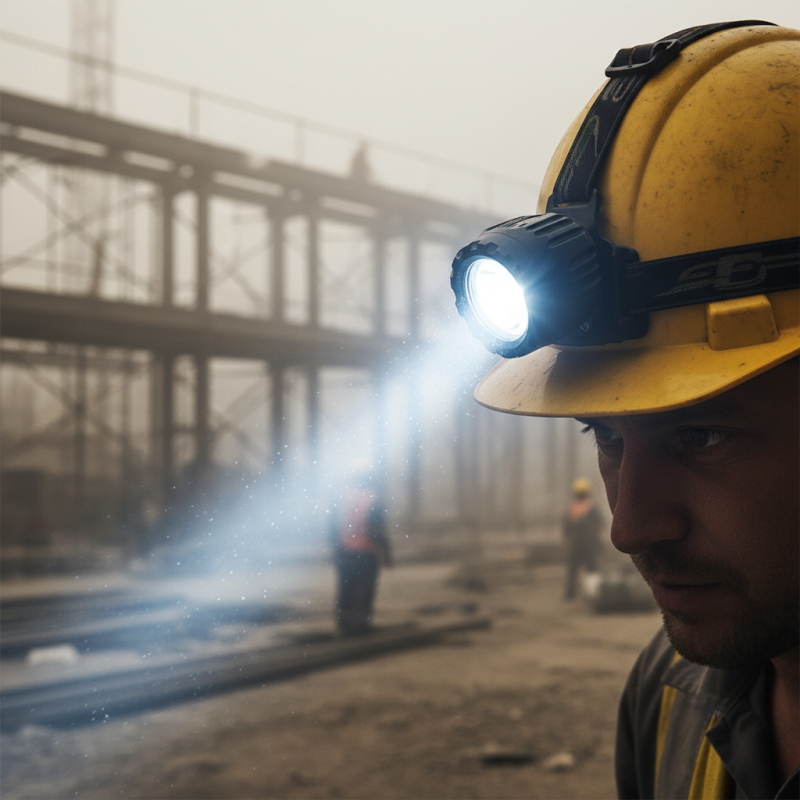
Understanding the importance of hard hat headlamps for safety is crucial in various industries. In construction, mining, and emergency services, workers often find themselves in low-light conditions. A reliable headlamp enhances visibility and minimizes accidents. According to a report from the U.S. Bureau of Labor Statistics, over 100,000 injuries occur annually due to poor visibility in the workplace.
Well-designed hard hat headlamps can provide workers with hands-free illumination. This functionality allows users to focus on their tasks while maintaining awareness of their surroundings. Studies show that well-lit environments can reduce workplace accidents by nearly 30%. This statistic underscores the necessity for the right lighting tools on the job.
However, not all headlamps are created equal. Some designs may not fit securely on hard hats, risking shifts during movement. Others may lack sufficient brightness or battery life. Whenever selecting a headlamp, consider its brightness measured in lumens, beam distance, and battery runtime. Ultimately, understanding these factors is vital to ensuring safety and preventing potential hazards.
Key Features to Consider When Choosing a Hard Hat Headlamp
When selecting a hard hat headlamp, several key features must be assessed for optimum safety and efficiency. Brightness is crucial; look for models that offer adjustable light output. Headlamps with multiple brightness settings provide flexibility based on your task. Consider the beam pattern as well—wide beams are useful for close-up tasks, while focused beams excel at longer distances.
Durability cannot be overlooked. A hard hat headlamp should withstand harsh conditions. Opt for models that are impact-resistant and water-resistant. Battery life is another significant factor. A reliable headlamp should last through long shifts without frequent recharging or battery replacement. Additionally, comfort plays a role, as a well-fitted headlamp reduces distractions during work.
Finally, think about mounting options. Some headlamps attach easily to various hard hats, while others may require specific adapters. This could impact your choice, especially if you regularly switch helmets. Reflect on your typical work environment and choose a headlamp that adapts to your needs and enhances your safety and visibility.
Different Types of Hard Hat Headlamps and Their Uses
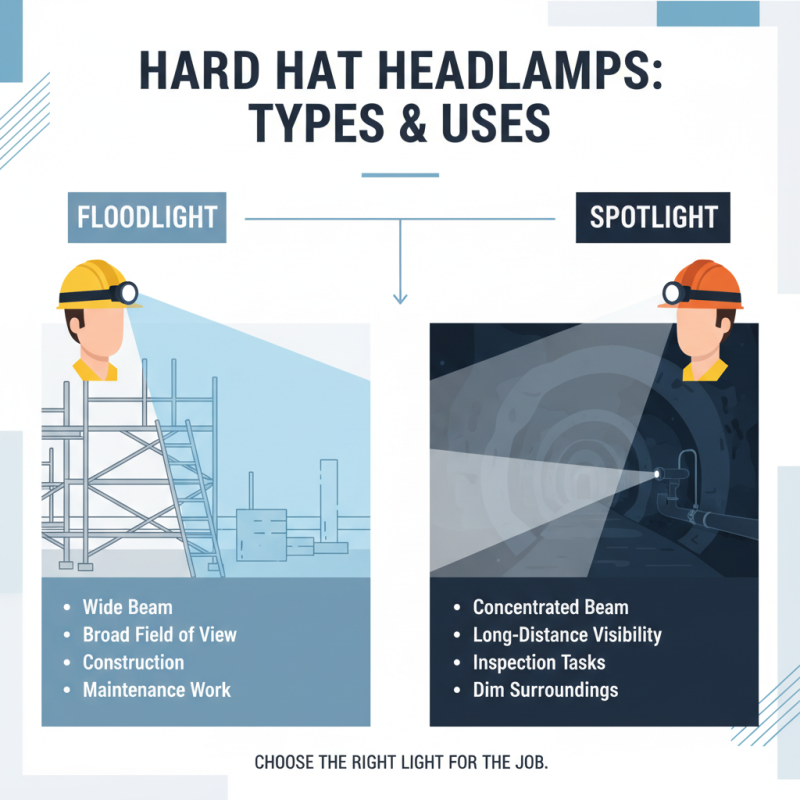
When selecting a hard hat headlamp, understanding the available types is crucial. Some headlamps focus on floodlight capabilities, providing a wide beam. This type is ideal for tasks needing a broad field of view, like construction and maintenance work. Others feature a spotlight design, which provides a concentrated beam for long-distance visibility. This is particularly useful for inspection tasks in dim surroundings.
Another category includes multi-functional headlamps. These often come with adjustable brightness and multiple settings. For instance, having a red light option can be beneficial for preserving night vision. Many headlamps are also designed to be lightweight. A heavy headlamp can lead to discomfort over long periods.
Consider the battery life and durability. Some headlamps may use disposable batteries, while others feature rechargeable options. Reflect on which option best fits your situation. An effective headlamp should withstand harsh conditions. Water-resistant models are often essential in outdoor settings. Finding the right balance between weight, functionality, and comfort can be challenging. It’s essential to test different options to find what works best for your environment and specific needs.
Comparing Battery Life and Brightness in Hard Hat Headlamps
When selecting a hard hat headlamp, battery life and brightness are critical factors to consider. Not all headlamps perform equally in these areas. A light with poor battery life can leave you in the dark, literally. Conversely, an overly bright headlamp might strain your eyes or waste battery power. Aim for a balance that meets your specific needs.
Tips: Check the lumens rating. A higher lumen count means brighter light. However, also look for adjustable brightness settings. This feature can help conserve battery life when full brightness isn't necessary. Consider the type of batteries used. Rechargeable models are convenient, but disposable batteries might provide longer life in some situations.
Also, think about how long you will need the headlamp on a single charge or battery cycle. Some models advertise extended battery life but can fall short in real-world usage. Pay attention to reviews. User feedback can reveal performance issues or longevity concerns. Make informed choices to avoid disappointments.
How to Choose the Best Hard Hat Headlamp for Safety?
| Model |
Brightness (Lumens) |
Battery Life (Hours) |
Weight (Ounces) |
Water Resistance |
| Model A |
300 |
20 |
6 |
IP54 |
| Model B |
450 |
25 |
7 |
IP67 |
| Model C |
200 |
15 |
5 |
IPX4 |
| Model D |
600 |
30 |
8 |
IP68 |
Tips for Properly Fitting a Hard Hat Headlamp for Maximum Protection
Choosing the right hard hat headlamp can significantly impact safety in the workplace. A proper fit is essential, as it ensures that the light source functions effectively without slipping or causing distractions. Many users underestimate the importance of a secure fit. An ill-fitting lamp can lead to accidents or decreased visibility.
When fitting your headlamp, ensure that it sits comfortably on your hard hat. Adjust it to avoid pressure points. The lamp should not interfere with the hard hat’s suspension system. A headlamp that is too loose may shift during movement, limiting your field of vision. Test the fit by moving your head side to side.
Check the weight of the headlamp as well. A heavy light can cause neck strain over time. A balanced design helps distribute the weight evenly. Always double-check the mounting mechanism. If it feels unstable, reconsider your choices. Overlooked details can lead to safety hazards. Ensuring a snug fit will enhance your protection. Don't ignore how small adjustments can make a big difference in comfort and safety.