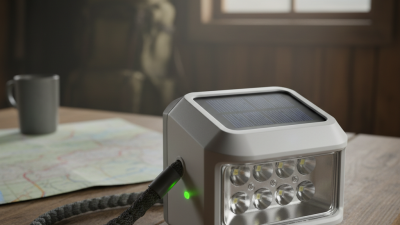
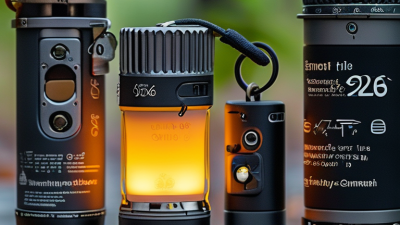
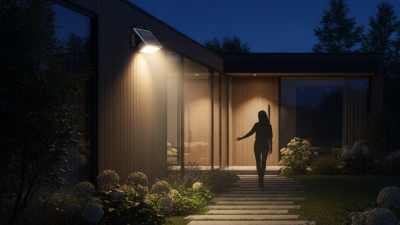
Best Solar Emergency Light for Global Buyers in 2026?
As the world increasingly embraces renewable energy solutions, the demand for Solar Emergency Lights is on the rise. According to market research conducted by Grand View Research, the global solar lighting market is expected to reach $25.4 billion by 2026. This growth showcases the essential role of solar-powered lighting in emergency situations, such as power outages or natural disasters. Solar Emergency Lights provide reliable illumination when conventional sources fail.
However, not all solar lights are created equal. Many products lack durability or efficient charging capabilities. A report from Allied Market Research indicates that only 54% of solar emergency light models meet industry performance standards. This raises questions about reliability and effectiveness in crucial moments.
With advancements in technology, features like portability and durability are becoming necessary. Buyers must carefully assess specifications and user reviews to ensure practicality. Decision-making can be challenging, as misleading claims are common in this market. In 2026, understanding the best Solar Emergency Light options will be key for global buyers looking to enhance their preparedness.
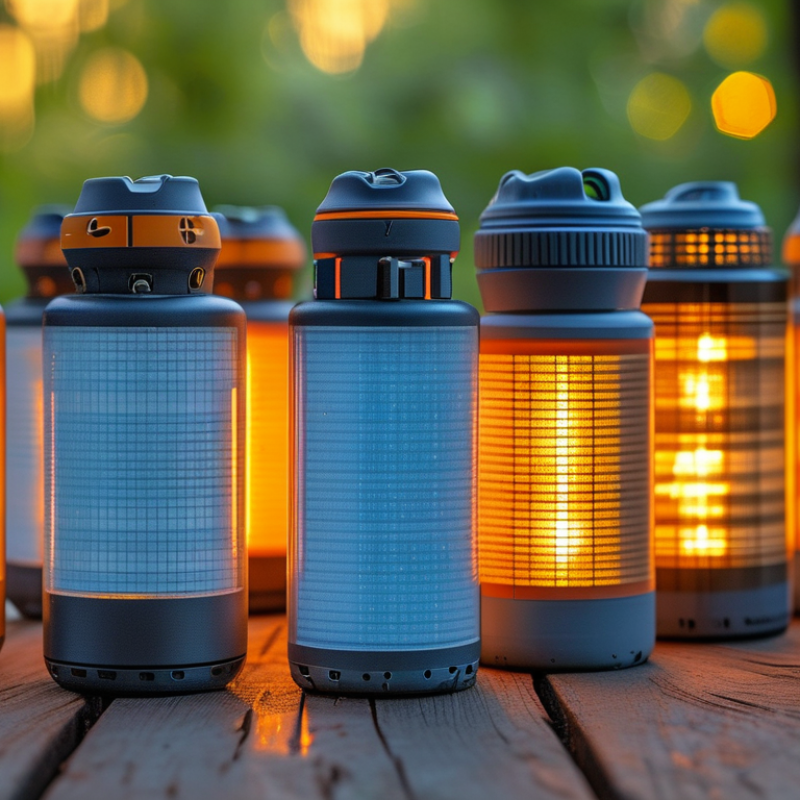
Best Solar Emergency Light for Global Buyers in 2026: Key Features to Consider
When selecting the best solar emergency light for 2026, key features play a critical role. Effective brightness is essential. Reports indicate that lights with over 1,000 lumens are ideal for emergency situations. High lumens ensure visibility in dark environments. Battery capacity also matters. A minimum of 10,000 mAh provides extended use during power outages.
Durability is another factor to consider. Many users overlook weather resistance. A solar light should withstand heavy rain and extreme temperatures. Data shows that products with an IP65 rating perform well in adverse conditions. Some users might find lightweight designs appealing for portability, but they must balance this with durability.
Lastly, charging efficiency is crucial. Lights equipped with advanced solar panels can recharge in just a few hours. However, not all models deliver consistent performance. Some might fail to harness enough sunlight, leading to disappointing results. The technology in solar energy is evolving, but some products may still require improvements in energy conversion. Choosing wisely ensures reliability during emergencies.
Market Trends in Solar Emergency Lighting: Growth Projections and Innovations
The solar emergency lighting market is set for significant growth. By 2026, the market is expected to reach $3 billion, growing at a compound annual growth rate (CAGR) of 12.5%. This growth is driven by increased demand for sustainable energy solutions and advancements in solar technology. Innovations are key, with developments in battery longevity and efficiency at the forefront.
Solar emergency lights now feature integrated smart technology. These innovations allow users to monitor battery life and energy usage via mobile apps. Additionally, models equipped with motion sensors significantly extend lighting duration. However, some users report variability in performance, particularly during extended cloudy periods. This inconsistency highlights the need for continuous improvement in solar energy storage.
The situation prompts a reflection on current production methods. While manufacturers focus on sustainability, ensuring product reliability under all conditions remains a challenge. As the market evolves, it will be crucial for brands to balance innovation with practical performance. User feedback will be essential for driving future developments in this growing sector.
Top Brands Dominating the Solar Emergency Light Market by 2026
In 2026, the solar emergency light market is set to witness significant growth. Why is this important for global buyers? The rise of eco-friendly solutions is a driving force. Many households now prioritize renewable energy sources. The choice of brands will play a crucial role in this evolution.
Top brands are focusing on innovative technology. They are improving efficiency and durability. Consumers should look for lights that provide bright illumination for long periods. Some options offer solar charging capabilities in just a few hours. This can be a game-changer during power outages, especially in disaster-prone areas.
**Tips:** Consider the wattage when choosing a solar light. A higher wattage often means brighter lights. Also, check for water resistance ratings. Products with an IP65 rating or higher offer better protection against the elements. Evaluating these features can highlight the reliable choices available. In this ever-competitive market, staying informed is essential. Buyers must reflect on their choices and consider future needs.
Top Solar Emergency Light Market Analysis for 2026
Comparison of Solar Emergency Light Technologies: Lithium-ion vs. Lead-acid Batteries
In recent years, solar emergency lights have become essential for many households and outdoor enthusiasts. With the increasing frequency of natural disasters, the need for reliable lighting solutions is clear. Two primary battery technologies dominate this market: lithium-ion and lead-acid. Each has its strengths and weaknesses.
Lithium-ion batteries are lighter and more compact. They offer longer run times and faster charging capabilities. These batteries are efficient in energy conversion, making them popular among consumers. However, they can be more expensive to produce. Additionally, there are concerns about their environmental impact and recycling processes.
On the other hand, lead-acid batteries are well-established and known for their robustness. They provide a reliable power source and are less costly. Their availability makes them a go-to choice for many. Yet, they are heavier and take longer to charge. They also have a shorter lifespan compared to lithium-ion. Understanding these differences is critical for making informed choices. The debate around these technologies continues, highlighting the need for careful consideration when selecting a solar emergency light.
Consumer Preferences: Essential Factors Influencing Solar Emergency Light Purchases
When it comes to selecting solar emergency lights, consumer preferences play a crucial role. Safety and reliability are key factors. Buyers often seek lights that can withstand adverse weather conditions. Durability is non-negotiable; a flimsy product won't instill confidence during power outages.
Efficiency is another major concern. The ability to provide bright light on low battery power can significantly impact user satisfaction. Many look for lights with multiple brightness settings. This versatility ensures they can be used in various situations, from camping to emergency scenarios.
Aesthetics shouldn't be overlooked. While functionality is vital, buyers appreciate a sleek design. It's worth noting that some may prioritize style over substance, leading to potential regret. Considering these factors can help buyers choose wisely. The ideal solar emergency light balances performance with visual appeal.
Best Solar Emergency Light for Global Buyers in 2026? - Consumer Preferences: Essential Factors Influencing Solar Emergency Light Purchases
| Feature |
Importance (%) |
Consumer Rating (out of 5) |
Price Range (USD) |
| Brightness |
30 |
4.5 |
30 - 80 |
| Battery Life |
25 |
4.3 |
25 - 70 |
| Charging Time |
15 |
4.0 |
20 - 60 |
| Portability |
20 |
4.7 |
15 - 50 |
| Durability |
10 |
4.6 |
40 - 90 |