What Are the Best Hard Hat Headlamps for Safety and Visibility?
In high-risk work environments, safety and visibility are paramount. A Hard Hat Headlamp serves as a critical tool for workers. Whether in construction, mining, or emergency services, these headlamps provide much-needed illumination. A good headlamp enhances visibility during nighttime or in dark spaces. It improves safety and minimizes accidents.
Choosing the right Hard Hat Headlamp can be overwhelming. There are many options with varying features, brightness levels, and durability. A headlamp should not only fit securely but also withstand harsh conditions. Consider the light's battery life and waterproof rating, as these factors impact reliability.
Some headlamps may fall short in performance. Poor illumination can lead to dangerous situations. Ensure that you invest in a quality option that meets industry standards. While many products claim to offer the best features, real-world testing is essential. User reviews and expert opinions can provide valuable insights. Making an informed choice can enhance safety and confidence on the job site.
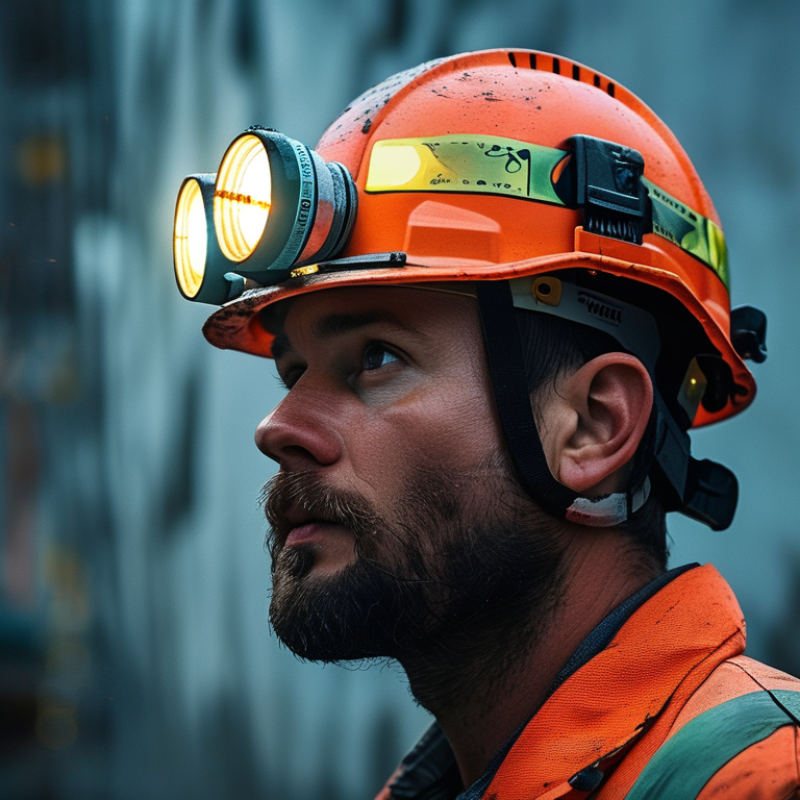
Understanding the Importance of Hard Hat Headlamps in Safety
Hard hat headlamps play a critical role in ensuring safety on construction sites. They provide essential lighting, allowing workers to see clearly in dark or confined spaces. In environments with potential hazards, visibility is everything. A reliable headlamp not only illuminates the surroundings but also frees up the hands for safer maneuvering.
When choosing a hard hat headlamp, consider the brightness level and battery life. Brightness can vary significantly, affecting how well you see potential threats. Battery life is crucial, as a dying light can leave you vulnerable in unexpected situations. Remember to check comfort as well. An uncomfortable fit can lead to distractions, increasing the risk of accidents.
However, not all headlamps are created equal. Users often face issues with durability. Some headlamps may fail under tough conditions. It's important to reflect on personal experiences. Have you had trouble with your gear in challenging environments? These reflections can guide future choices. Investing in quality lighting tools reinforces a commitment to safety and well-being in any work setting.
Key Features to Look for in High-Quality Hard Hat Headlamps
When choosing hard hat headlamps, the right features are crucial. Brightness matters significantly. Industry standards suggest a minimum of 200 lumens for adequate visibility. A headlamp with adjustable brightness can cater to different tasks, promoting energy efficiency. Long battery life is essential, too. A model that lasts over 10 hours on a single charge reduces disruptions during long shifts.
Durability is another key feature. Hard hats are often exposed to tough environments. A good headlamp should be impact-resistant and waterproof. Research indicates that headlamps can break easily under stress, leading to work hazards. Look for models with a solid construction to ensure safety. Comfort is often overlooked. A lightweight design helps reduce neck strain during prolonged use. A headlamp that fits securely without discomfort is vital.
Lasting quality can be hard to gauge. Some users report headlamps failing after short periods, raising concerns about dependability. This inconsistency can affect worker safety. Selecting a headlamp that meets rigorous testing standards can mitigate such risks. Attention to these features will enhance safety and visibility in the workplace.
Best Hard Hat Headlamps for Safety and Visibility
Top Brands and Models of Hard Hat Headlamps for Enhanced Visibility
When it comes to hard hat headlamps, visibility is paramount. In various working environments, having the right lighting can make the difference between safety and accidents. For those in construction, mining, or emergency services, headlamps that attach securely to hard hats are essential. They provide hands-free illumination, allowing workers to focus on their tasks without sacrificing sight.
Several top models offer robust features. Look for headlamps with adjustable brightness levels. This flexibility allows users to customize lighting based on their specific environment. A long battery life is crucial. Workers shouldn't have to worry about their light failing mid-task. Waterproof and dustproof designs enhance durability, especially in challenging conditions.
Understanding user needs is vital in improving safety features. While brightness matters, comfort cannot be overlooked. Heavier models can lead to discomfort during long shifts. Additionally, easy attachment mechanisms make a significant difference in usability. A hard hat headlamp should fit snugly and securely, preventing distractions from movement. Reflecting on these aspects can help manufacturers create better products for safety-conscious users.
Comparative Analysis of LED vs Traditional Bulb Headlamps
When choosing headlamps for safety and visibility, the type of bulb matters greatly. LED headlamps have gained popularity due to their bright output and energy efficiency. They can last for hours on a single charge, making them ideal for long shifts in dimly lit areas. Traditional bulb headlamps, while often cheaper, may not provide the same efficiency or longevity. These bulbs generate more heat, which can be a safety concern in certain environments.
Visibility is key in hazardous conditions. LEDs emit a bright, white light that enhances visibility and reduces eye strain. This can be crucial when navigating complex workspaces or responding to emergencies. Traditional bulbs tend to produce a softer light, which might not illuminate spaces as effectively. However, some workers prefer the warmer glow provided by these bulbs for prolonged tasks.
Tips: Always consider the environment where the headlamp will be used. For wet conditions, look for water-resistant models. Also, ensure the light beam is adjustable to focus on different tasks. Remember to test headlamps before prolonged use. Comfort is as important as visibility; an uncomfortable fit can distract you from your work.
Maintenance Tips for Prolonging the Life of Hard Hat Headlamps
Maintaining hard hat headlamps is crucial for safety and visibility. Over 70% of workplace accidents occur in low-light conditions. Proper maintenance will enhance their lifespan and reliability. Regularly clean the lens to improve brightness. Dust and dirt can significantly decrease light output.
Battery care is equally important. According to industry reports, improper battery storage can reduce performance by up to 30%. Always remove batteries when not in use for extended periods. This prevents corrosion and leakage, which can damage the light.
Inspect the wiring and connections periodically. Damaged wires can lead to failures during critical moments. Report any issues immediately. Keeping headlamps in optimal condition ensures they function when needed most. Proper maintenance reflects not only on longevity but also on commitment to workplace safety.
What Are the Best Hard Hat Headlamps for Safety and Visibility?
| Model |
Brightness (Lumens) |
Battery Life (Hours) |
Weight (oz) |
Water Resistance |
| Model A |
300 |
10 |
5 |
IP67 |
| Model B |
250 |
12 |
4 |
IP54 |
| Model C |
200 |
8 |
6 |
IP68 |
| Model D |
350 |
15 |
5.5 |
IP65 |
Maintenance Tips for Prolonging the Life of Hard Hat Headlamps
| Tip |
Description |
| Clean Regularly |
Wipe down the headlamp and lenses to remove dirt and debris. |
| Check Batteries |
Replace batteries regularly to ensure optimal performance. |
| Store Properly |
Keep in a cool, dry place when not in use to prevent damage. |
| Inspect for Damage |
Regularly check for any signs of wear or damage, especially on straps. |