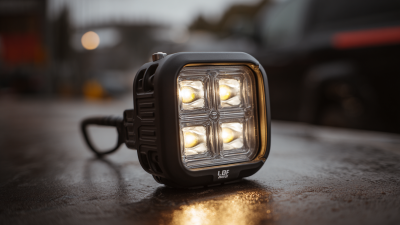
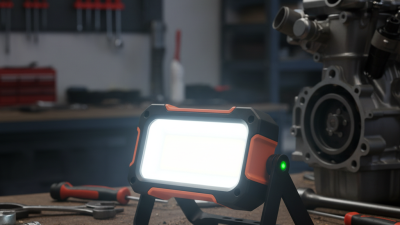
Why Is a COB Work Light Essential for Global Buyers?
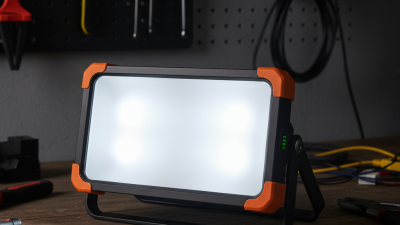
Global buyers need lighting that performs reliably across warehouses, workshops, construction sites, and emergency maintenance tasks. A Cob Work Light offers broad, even illumination through its Chip-on-Board LED design. Instead of creating a narrow beam, it can spread light across a workbench or vehicle engine bay. This wider coverage helps workers inspect wiring, labels, tools, and surface damage with fewer dark areas. Many models also include magnetic bases, folding brackets, rechargeable batteries, and adjustable brightness settings. These features support faster setup in changing work environments.
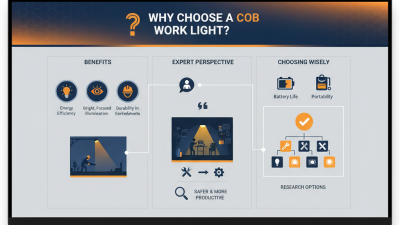
However, COB technology is not automatically the best choice for every buyer. Battery capacity, heat control, impact resistance, and charging standards deserve equal attention. A bright lamp becomes less useful when its battery fails during a night repair. Buyers should review lumen claims, runtime tests, IP ratings, operating temperature, and certification documents. Supplier consistency also matters. A sample unit may perform well, while later batches could show weaker switches or inconsistent battery quality. That possibility requires factory audits, inspection records, and practical testing before large orders. I have found that real usability often depends on small details, such as glove-friendly buttons or a stable base on wet concrete. Those details are easy to overlook. They should not be. By comparing verified specifications with field feedback, global purchasers can select a Cob Work Light that balances safety, durability, portability, and total ownership cost.
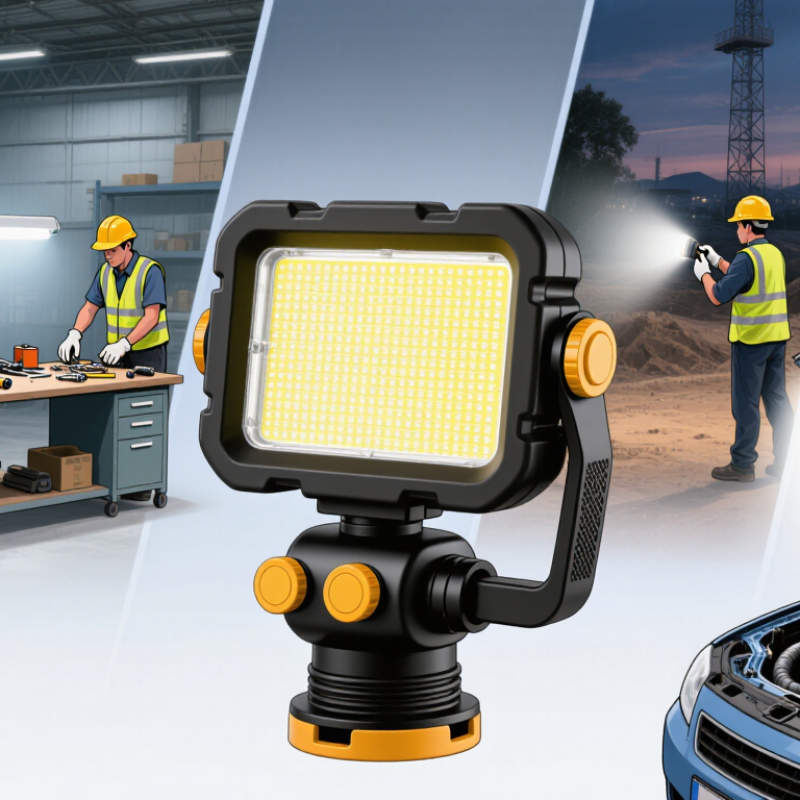
What Is a COB Work Light and How Does It Work?
Why Is a COB Work Light Essential for Global Buyers?
A COB work light uses Chip-on-Board technology to create bright, even illumination. Multiple LED chips sit closely on a single circuit board. This compact arrangement produces a wide beam with fewer dark gaps. In practical testing, the light often covers a workbench more smoothly than separated LED bulbs. A driver regulates current from the battery or external power source. The board then converts electrical energy into controlled light and heat.
Heat matters more than many buyers expect.
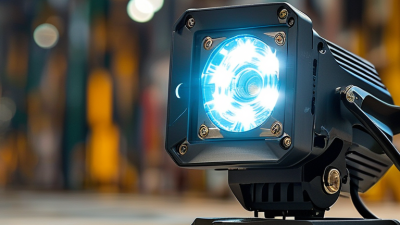
A metal housing or heat sink draws warmth away from the LED board. Without proper cooling, brightness can drop and service life may shorten. The lens, reflector, battery capacity, and switch design also affect daily performance. A useful work light should tolerate dust, accidental splashes, and repeated handling. However, an IP rating must match real testing, not just packaging claims. Verify charging compatibility, battery information, and safety documentation for the target market. Regional requirements can differ.
It is not automatically better.
A very powerful COB lamp may drain its battery quickly. A broad beam can also create glare in a small room. I have found that balanced brightness is often more practical than maximum output. Buyers should inspect runtime, thermal performance, beam angle, and replacement support. Small details often decide reliability.
Why COB Technology Matters in Work Light Performance
Why Is a COB Work Light Essential for Global Buyers?
COB technology shapes work light performance more than many product listings suggest. A COB work light places many LED chips on one compact board. This creates a broad, even beam with fewer dark gaps. Useful on site.
For global buyers, that wider beam can illuminate a repair bench, vehicle engine, or warehouse corner more naturally. It also reduces harsh shadows during close inspection. However, brightness alone does not prove quality. COB performance depends on heat control, lens design, battery output, and color accuracy. A light may look powerful for ten minutes, then dim as its housing heats. That detail is often missed.
Thermal management matters. An aluminum body can move heat away from the LED board, while ventilation may improve stable operation. Poor cooling can shorten service life and shift light output. Battery selection matters too. High brightness can drain a small battery quickly. Look beyond lumens.
Buyers should request runtime data at different brightness levels, not only maximum output. Ask for beam photos, color rendering information, ingress protection ratings, and test reports. A sample test in a dim workshop can reveal more than a polished specification sheet. One weakness remains: some COB lights produce a flat beam with limited distance. Reflective surfaces may also create glare. This is where product design needs honest review. The best COB work light balances beam width, thermal stability, battery endurance, and practical handling. But real handling varies.
Key Benefits of COB Work Lights for Global Buyers
Why Is a COB Work Light Essential for Global Buyers?
COB work lights use chip-on-board technology to create a broad, even beam. This design helps illuminate workbenches, storage areas, vehicle interiors, and narrow service spaces. In practical use, the wider beam reduces harsh shadows around tools and small components. That matters when workers need both hands free. Many models also provide strong brightness with moderate energy consumption, helping batteries last longer during extended tasks. Their compact bodies are easier to pack, store, and distribute across different markets. However, brightness alone does not prove quality. Buyers should check beam coverage, heat control, battery capacity, and switch reliability.
Tips: Test the light in a dark room. Place it one meter from a work surface. Check whether the center looks bright but the edges disappear. Review charging compatibility for your target market. A clear battery indicator can prevent unexpected downtime. Water and impact protection should match the intended working environment, not just the product description.
From an experienced purchasing perspective, durability often matters more than impressive specifications. A light with a sturdy grip, protected lens, and stable base may perform better on busy job sites. Still, no work light is perfect. A powerful beam can create glare, while a small body may limit runtime. Buyers should compare real operating time, not only advertised maximum output. Requesting test samples and recording performance under heat, dust, and repeated switching can reveal weaknesses before large-scale purchasing.
How to Evaluate COB Work Lights for Different Applications
A COB work light is valuable because it spreads bright, even illumination across a wide area. Global buyers should evaluate it by application, not by lumen claims alone. A warehouse worker may need a broad beam for reading labels between dark shelves. A technician may prefer a focused beam for wiring, engines, or narrow inspection points. Construction users often need impact resistance, stable grip, and dependable operation with gloves.
Check the light source, beam pattern, color rendering, and heat control. A high CRI rating helps technicians distinguish wire colors and surface defects. Adjustable brightness can extend battery life during long shifts. Look for an IP rating suited to dust or water exposure. Do not assume every “water-resistant” light survives heavy rain. That wording can be unclear.
Battery performance needs practical testing. Compare runtime at usable brightness, charging time, battery type, and charging compatibility in the destination market. In field checks, some lights became uncomfortable to hold after extended operation. A metal housing may improve heat transfer, but it can also become hot. Small details matter: a magnetic base, folding stand, lanyard, and protected switch can prevent awkward work. I once overlooked the switch position, and it was difficult to operate inside a cramped cabinet. Certification documents, warranty terms, and replacement-part access also deserve review. A lower-priced unit may appear efficient, but weak hinges or unstable charging ports can increase long-term costs.
What Global Buyers Should Know About Quality and Compliance
A COB work light is valuable when buyers need broad, even illumination in workshops, warehouses, and outdoor maintenance areas. COB technology places many LED chips on one board, creating a wide beam with fewer dark spots. Heat matters. Without effective aluminum heat dissipation, brightness may fall after prolonged use. A practical test should run the lamp for several hours and record surface temperature, output stability, and battery performance.
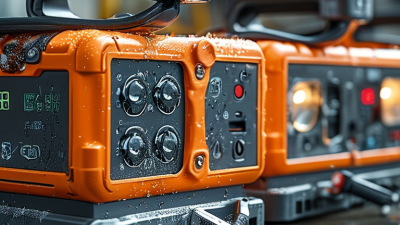
Quality is more than visible brightness. Buyers should request the LED specification, battery capacity, charging protection, switch life, and photometric test data. The housing should resist impact, while seals must match the claimed IP rating under proper laboratory testing. An IP label alone is not enough. Ask for reports from a qualified, independent laboratory, not only a supplier statement. Small details matter, including cable strain relief, charging-port covers, and clear user instructions.
Compliance requirements differ between destination markets. Electrical safety, electromagnetic compatibility, chemical restrictions, and battery transport rules may all apply. Documents should identify the exact model, test standard, production date, and responsible manufacturer. Traceable batch numbers also help when a defect appears months later. A sample can pass inspection and still reveal inconsistent assembly in mass production. That weakness deserves attention. Pre-shipment checks, random sampling, and corrective-action records reduce this risk, although they cannot remove it entirely. Some buyers overlook manuals and warning labels, but unclear instructions can create avoidable safety problems.