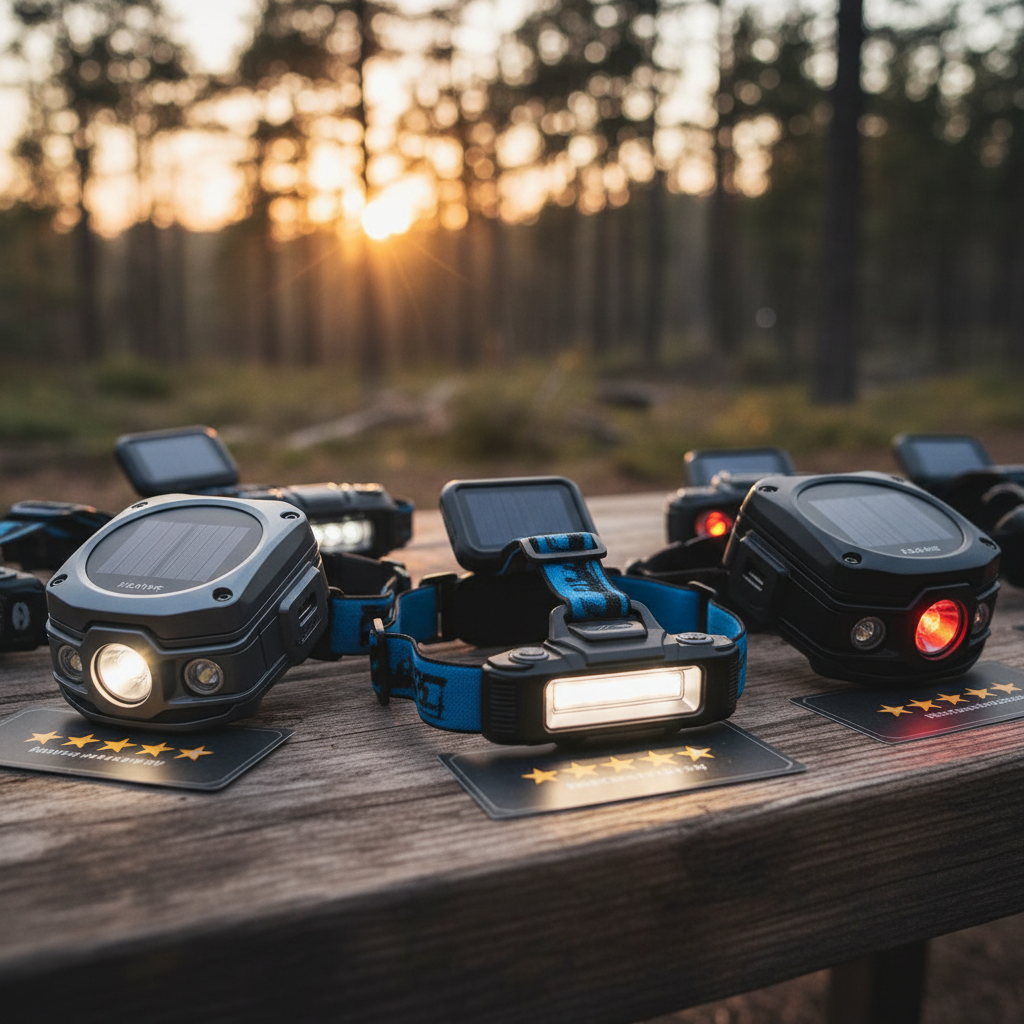
What is a Solar Rechargeable Headlamp and How to Choose the Best One?
In an era where sustainable energy solutions are becoming increasingly crucial, the importance of
Solar Rechargeable Headlamps cannot be overstated. According to a recent report by the Global Market Insights, the solar lighting market is
expected to surpass $52 billion by 2025, with solar headlamps comprising a significant portion of this growth. The demand for
portable, eco-friendly illumination solutions is on the rise, driven by outdoor enthusiasts, emergency preparedness needs, and an increasing
awareness of renewable energy sources.

Experts in the field, such as Dr. Emily Thompson, a leading researcher in solar technology, emphasize the benefits of these
innovative devices. Dr. Thompson states, "Solar Rechargeable Headlamps are not only a testament to our commitment to sustainable
practices, but they also provide a reliable source of light that adapts effortlessly to an array of environments." As technology advances, manufacturers
are combining efficiency with durability, making it essential for consumers to understand what to look for when choosing the best solar headlamp for
their needs.
When selecting a Solar Rechargeable Headlamp, factors such as battery capacity, light output, and
charging speed are critical in determining which product will deliver the best performance. As we explore the top options
available in 2025, understanding these key aspects will empower consumers to make informed decisions while promoting a greener future.
What is a Solar Rechargeable Headlamp and Its Key Features?
A solar rechargeable headlamp is a versatile lighting solution that harnesses solar energy to power its LED bulbs. These headlamps are ideal for outdoor enthusiasts, campers, and emergency preparedness. Key features typically include adjustable brightness settings, water resistance, lightweight design, and a solar panel for recharging. According to a recent industry report by Grand View Research, the demand for eco-friendly lighting solutions like solar headlamps has surged by 25% annually, driven by a growing emphasis on sustainability.
When choosing the best solar rechargeable headlamp, consider factors such as battery life, brightness lumens, and charging time. A higher lumen output provides brighter light, which is crucial for activities like hiking or fishing after dark. It's also essential to evaluate the headlamp's battery life; a long-lasting battery ensures reliability for extended trips. Look for models with multiple charging options, including USB and solar, to enhance flexibility.
Tips: Always check the headlamp’s warranty and customer reviews for insights into durability and performance. Additionally, ensure the solar panel accommodates your usage environment, as some designs perform better under direct sunlight than others, which can impact recharging efficiency during outdoor adventures.
Understanding the Benefits of Solar Rechargeable Headlamps Over Traditional Models
Solar rechargeable headlamps are increasingly gaining popularity due to their numerous benefits over traditional battery-operated models. One of the primary advantages is their eco-friendliness; by harnessing solar energy, these headlamps significantly reduce reliance on disposable batteries, which contributes to less environmental waste. This makes them an ideal option for those who prioritize sustainability and want to minimize their carbon footprint while enjoying outdoor activities.
Moreover, solar rechargeable headlamps often offer long-term cost savings. Though the initial purchase price may be higher than conventional models, the absence of battery replacements leads to lower ongoing costs. Many solar rechargeable headlamps can store energy efficiently, ensuring that they provide sufficient illumination even in low sunlight conditions. Additionally, advancements in solar technology have allowed for faster charging times and improved performance, making these headlamps not only a responsible choice but also a practical one for campers, hikers, and anyone who relies on portable lighting solutions.
Comparison of Solar Rechargeable Headlamps vs Traditional Headlamps
Top 5 Best Solar Rechargeable Headlamps Based on Lumens and Battery Life
When choosing the best solar rechargeable headlamp, two key factors to consider are
lumens and battery life.
Lumens measure the brightness of the headlamp, essential for tasks requiring high visibility,
such as camping, hiking, or emergency situations. According to a recent industry report by
the Lighting Research Center, headlamps that emit between 300 to 600 lumens
are optimal for outdoor activities, providing sufficient light for both close-up tasks and longer distances.
Models like the Luci Illuminate and BioLite HeadLamp 200 have demonstrated
exceptional brightness levels, making them top contenders in this category.
Battery life is equally important, particularly for outdoor adventurers who may not have immediate access
to charging facilities. A study by Outdoor Gear Lab highlights that a good solar rechargeable headlamp
should maintain a runtime of at least 8-10 hours on a single charge,
ensuring reliability during extended excursions. The Petzl Actik Core, for instance, offers
a high-quality rechargeable option with impressive longevity and performance. These headlamps not only enhance
safety but also promote eco-friendliness, making them a smart choice for environmentally conscious consumers.
How to Evaluate Solar Rechargeable Headlamps: Important Specifications to Consider
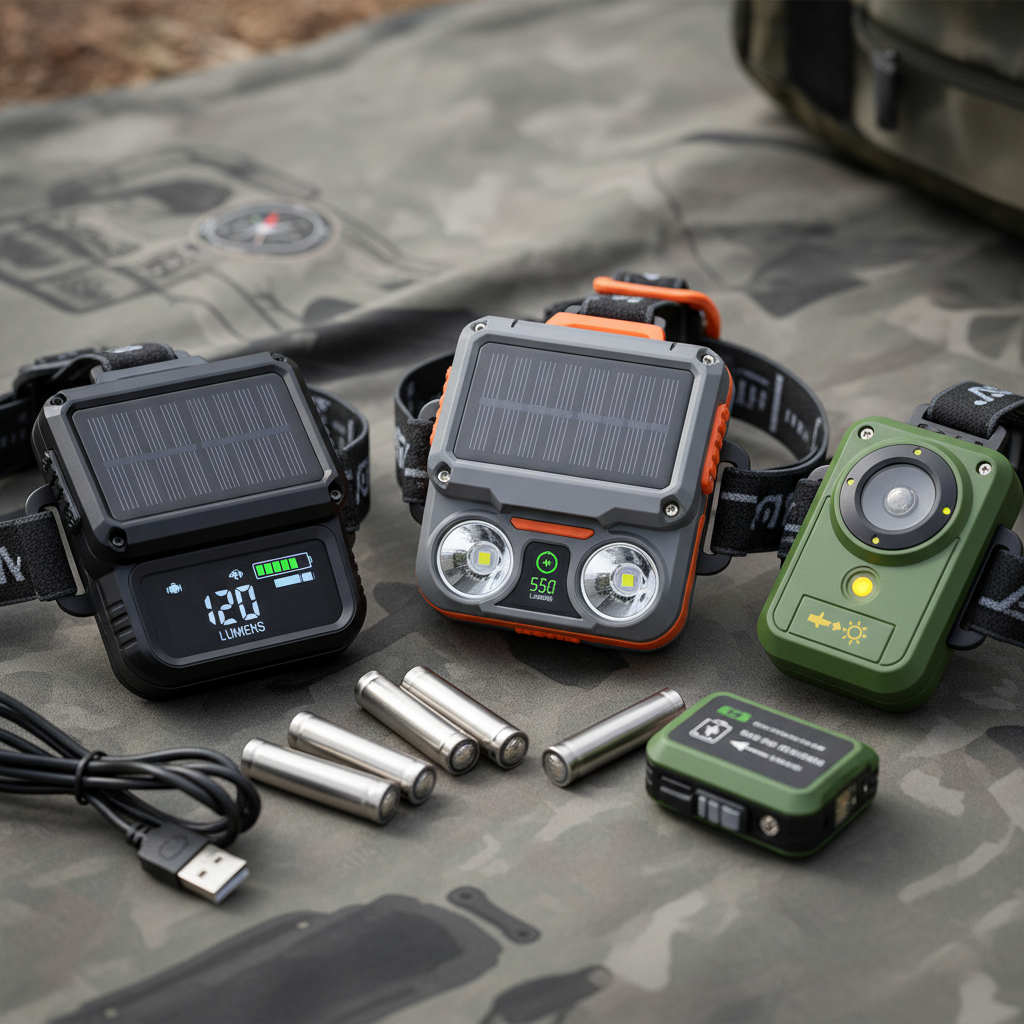
When evaluating solar rechargeable headlamps, it’s essential to consider several key specifications that will directly impact their performance and usability. One critical factor is the brightness level, measured in lumens. According to the latest industry reports, a well-designed headlamp should provide a minimum of 100 to 300 lumens for general use, while outdoor activities may require lamps exceeding 500 lumens. Battery capacity, often measured in milliamp hours (mAh), is another vital specification, as larger capacities generally result in longer usage times. Look for headlamps with battery life indicators and options for replacement batteries, as these features enhance longevity and convenience.
Tips: Always check the solar charging efficiency rated in hours of direct sunlight needed to fully recharge the battery. A headlamp that can recharge in less than 8 hours is ideal for outdoor enthusiasts. Additionally, consider the weight and comfort of the headlamp. Lightweight models, ideally below 300 grams, are more comfortable for prolonged use, particularly during hiking or camping trips. Finally, don’t overlook the waterproof rating; a headlamp with an IPX4 or higher rating will ensure durability in various weather conditions, making it a practical choice for outdoor adventures.
User Reviews and Ratings: Which Solar Rechargeable Headlamps Stand Out in 2023?
When it comes to solar rechargeable headlamps, user reviews and ratings play a crucial role in determining which models truly stand out in 2023. Many customers appreciate headlamps that combine longevity, brightness, and user-friendly features. Popular choices like the Fenix HL60R and Biolite HeadLamp 200 have received high marks for their durability and solar efficiency. Users often highlight the importance of brightness settings, adjustable straps, and the convenience of USB charging alongside solar capabilities.
Tips: When selecting a solar rechargeable headlamp, consider the lumen output, which affects brightness. A lamp offering between 200 to 500 lumens is typically suitable for camping or hiking. Additionally, examine the battery life and whether the headlamp features multiple charging options, as this adds versatility for outdoor adventures. Reviews can also indicate how well the headlamp performs in various environmental conditions, such as rain or extreme temperatures.
Another crucial factor is comfort and weight. User ratings frequently mention the balance and lightweight design of headlamps. A comfortable fit is essential, especially for prolonged use during activities like hiking or working at night. Look for headlamps with moisture-wicking straps and adjustable angles to find the perfect fit for your needs.