What is a Solar Motion Sensor Light and How Does It Work
In the era of increasing energy efficiency and sustainability, the use of Solar Motion Sensor Lights has emerged as a game-changer in outdoor lighting solutions. These innovative devices harness the power of the sun, converting sunlight into electricity to provide illumination whenever motion is detected. According to Dr. Emily Harrison, a renowned expert in renewable energy technology, "Solar Motion Sensor Lights not only enhance security but also promote eco-friendly living by reducing energy consumption."
As advancements in solar technology continue to evolve, Solar Motion Sensor Lights have become more efficient and accessible, catering to a variety of settings—from residential backyards to commercial spaces. This synergy of motion detection and solar power not only ensures safety during the night but also contributes to lowering electricity bills and minimizing environmental impact. Understanding how these systems work, the components involved, and their practical applications can empower consumers to make informed decisions about their outdoor lighting needs.
With growing concerns over energy usage and environmental sustainability, embracing Solar Motion Sensor Lights is increasingly seen as both a practical and responsible choice. In this article, we will delve into the workings of these remarkable devices, exploring their features, benefits, and the future of outdoor lighting.
What is a Solar Motion Sensor Light?
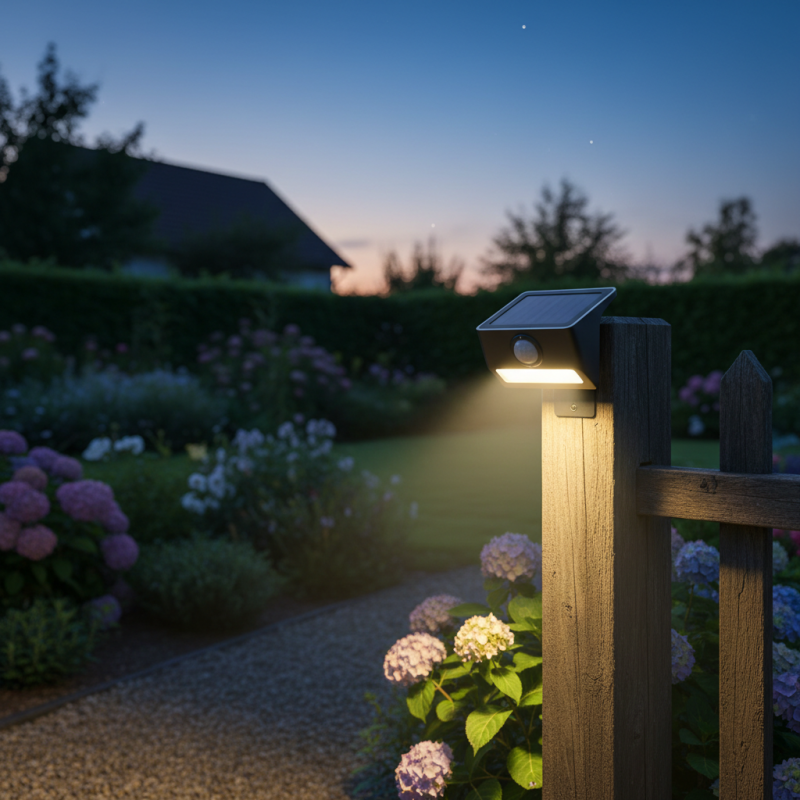
A solar motion sensor light is an innovative outdoor lighting solution that harnesses solar energy to provide illumination when motion is detected. These lights consist of a solar panel that charges a battery during the day, allowing them to operate without the need for electrical wiring or external power sources. Typically equipped with passive infrared (PIR) sensors, they can detect movement within a certain range, triggering the light to illuminate automatically. This feature not only enhances security around homes and properties but also conserves energy by ensuring that the lights only activate when necessary.
The design of solar motion sensor lights emphasizes both functionality and efficiency. During daylight hours, the solar panel absorbs sunlight, converting it into electrical energy stored in the internal battery. When it gets dark, the light remains off until the motion sensor detects activity within its proximity. Once activated, the light can illuminate pathways, driveways, or entry points, providing a safe environment for residents and visitors alike. This technology combines renewable energy use with smart sensing capabilities, making these lights an eco-friendly and practical choice for outdoor lighting.
Usage of Solar Motion Sensor Lights Over the Years
Components of a Solar Motion Sensor Light
A solar motion sensor light consists of several essential components that work together to provide efficient lighting based on movement detection. The primary part of this system is the solar panel, which captures sunlight and converts it into electrical energy. This energy is stored in rechargeable batteries, ensuring that the light can operate even during the night or on cloudy days. The size and efficiency of the solar panel impact how much energy can be harvested and stored, influencing the overall performance of the lighting system.
Another crucial component is the motion sensor itself, usually based on passive infrared technology. This sensor detects changes in heat and movement within its designated range, activating the light when it senses nearby motion. Combined with the light-emitting diode (LED) bulbs, which provide bright and energy-efficient illumination, the system activates automatically depending on the detected movements. Additionally, many solar motion sensor lights feature adjustable settings for sensitivity and timeout duration, allowing users to customize their lighting preferences based on specific needs and environmental conditions.
How Does a Solar Motion Sensor Work?
A solar motion sensor light is designed to illuminate designated areas when movement is detected, utilizing solar energy for power. This innovative technology typically consists of a solar panel, a light fixture with LEDs, a motion sensor, and a rechargeable battery. The solar panel collects sunlight during the day, converting it into electrical energy that charges the battery. This stored energy is then used to power the light at night or when it detects motion.
The operation of a solar motion sensor light hinges on its motion detection capabilities, typically achieved through passive infrared (PIR) sensors. These sensors detect the infrared radiation emitted by moving objects, such as people or animals. When motion is registered, the sensor triggers the light to turn on, providing illumination for safety and security. The duration and brightness of the light can vary based on the design, with many models allowing users to adjust settings for optimal performance. By harnessing renewable energy and utilizing advanced sensing technology, solar motion sensor lights offer an efficient and eco-friendly lighting solution.
Advantages of Using Solar Motion Sensor Lights
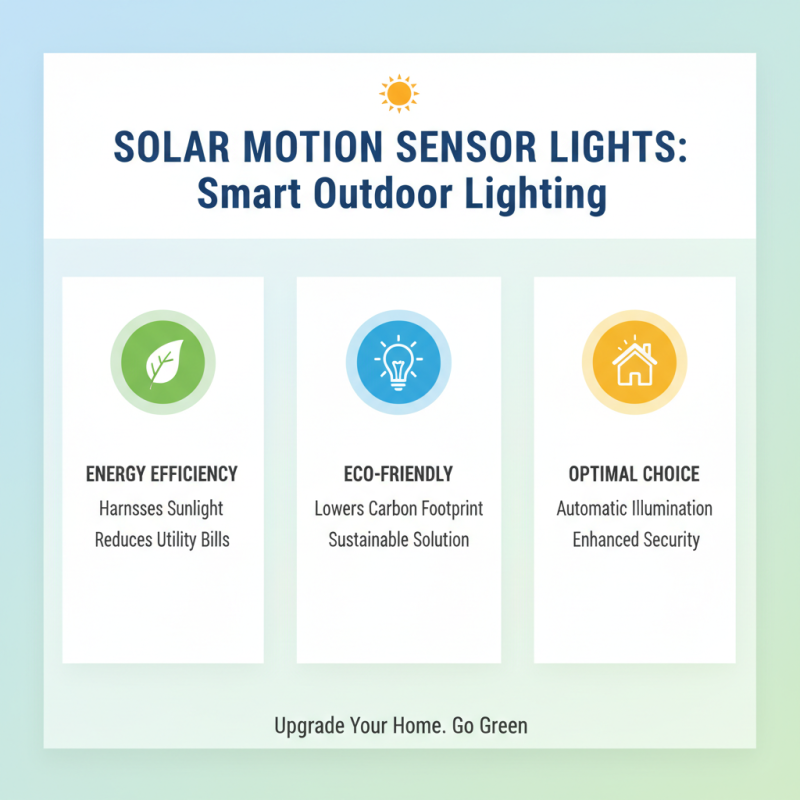
Solar motion sensor lights have gained popularity due to their numerous advantages, making them an optimal choice for outdoor lighting. One of the primary benefits of these lights is their energy efficiency. By harnessing sunlight, they operate independently of electricity, which not only reduces utility bills but also lowers one's carbon footprint. This eco-friendly feature is especially appealing to those seeking sustainable solutions in their home improvement projects.
Another significant advantage is their enhanced security capabilities. Solar motion sensor lights are designed to detect movement, activating the light only when necessary. This feature not only conserves energy but also serves as a deterrent to potential intruders, making properties safer. Additionally, the strategic placement of these lights can illuminate dark areas, guiding visitors and enhancing the overall ambiance of outdoor spaces. The combination of convenience, safety, and eco-friendliness makes solar motion sensor lights a valuable addition to any property.
Installation and Maintenance Tips for Solar Motion Sensor Lights
Installing solar motion sensor lights offers numerous benefits, but proper installation is crucial for optimal performance. According to the National Renewable Energy Laboratory (NREL), proper positioning can increase the efficiency of solar lighting systems by up to 30%. It is advisable to install the lights in areas that receive ample sunlight throughout the day, as this maximizes battery life and ensures reliable operation during the night. When positioning these lights, aim for a height of approximately 6 to 10 feet to enhance the sensor’s ability to detect motion effectively. Additionally, ensure that the lights are mounted away from obstructions like trees or buildings, which may cast shadows and reduce sunlight exposure.
Maintenance of solar motion sensor lights is relatively straightforward but essential for longevity. Studies from the Solar Energy Industries Association (SEIA) indicate that regular cleaning of the solar panels can improve light output by up to 20%. Dust, bird droppings, and debris can accumulate over time, hindering solar absorption. It is recommended to clean the panels with a soft cloth and mild soap solution periodically, ideally every few months. Furthermore, inspecting the lights for any signs of wear or damage, such as frayed wiring or cracked fixtures, can prevent malfunctions. Replacing batteries every 2-3 years, depending on usage and the type of battery, ensures continuous performance and reliability of the solar motion sensor lights.
What is a Solar Motion Sensor Light and How Does It Work - Installation and Maintenance Tips for Solar Motion Sensor Lights
| Feature |
Description |
Installation Tips |
Maintenance Tips |
| Power Source |
Uses solar panels to convert sunlight into electricity. |
Install in an area with direct sunlight for optimal charging. |
Clean the solar panel regularly to ensure efficient charging. |
| Motion Detection |
Equipped with PIR sensors that detect movement. |
Mount at a height of 6 to 10 feet for best motion detection. |
Test sensor sensitivity every few months. |
| Lighting Modes |
Various modes including steady on, flashing, and dimming. |
Choose the appropriate mode based on your needs during installation. |
Adjust settings as necessary for different seasons or conditions. |
| Battery Life |
Typically lasts 2-4 years depending on usage and solar exposure. |
Check battery condition during installation and replace if needed. |
Replace batteries at the end of their life to maintain performance. |
| Weather Resistance |
Designed to withstand rain, snow, and other harsh conditions. |
Seal any exposed wiring to prevent moisture ingress. |
Inspect for any signs of water damage regularly. |