What is a Solar Emergency Light and How Does It Work?
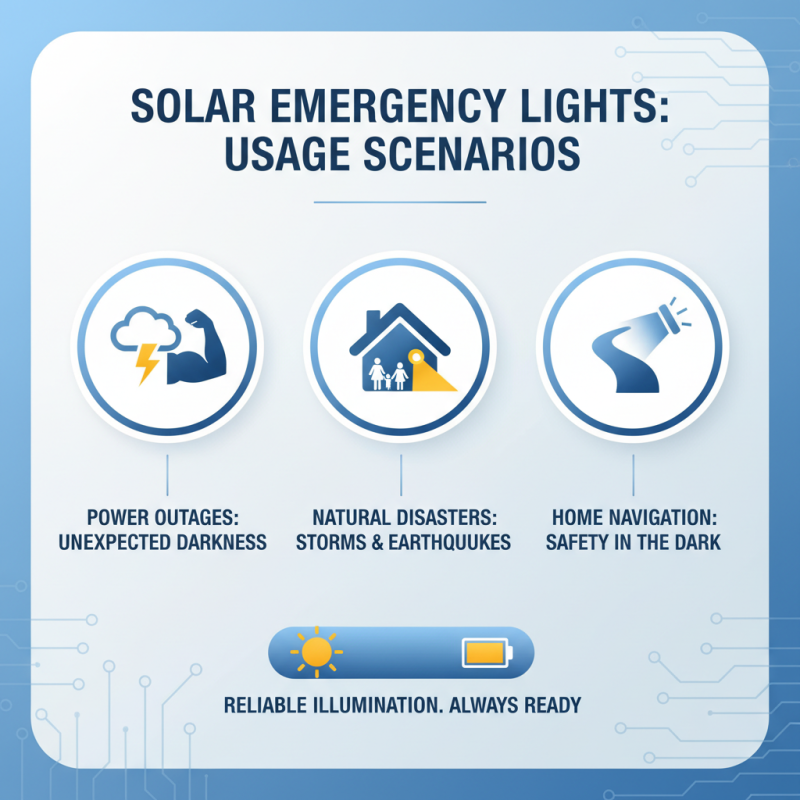
In a world increasingly affected by power outages and natural disasters, a Solar Emergency Light offers a reliable solution. These lights harness solar energy, making them sustainable and efficient. When the sun shines, the light absorbs energy and stores it for later use. This design means that even in remote areas, dependable lighting is possible.
A Solar Emergency Light stands out during crises. Its portability allows users to easily relocate it as needed. Meanwhile, its LED technology ensures bright illumination without consuming too much energy. This feature is especially crucial when electricity is scarce. People may overlook its importance until they face a blackout or disaster.
However, challenges exist. Solar emergency lights rely heavily on sunlight. On cloudy days, charging can be inadequate. Additionally, some users report issues with battery life. These factors warrant careful consideration. The effectiveness of a Solar Emergency Light in emergencies can ultimately depend on proper usage and understanding.
What is a Solar Emergency Light?
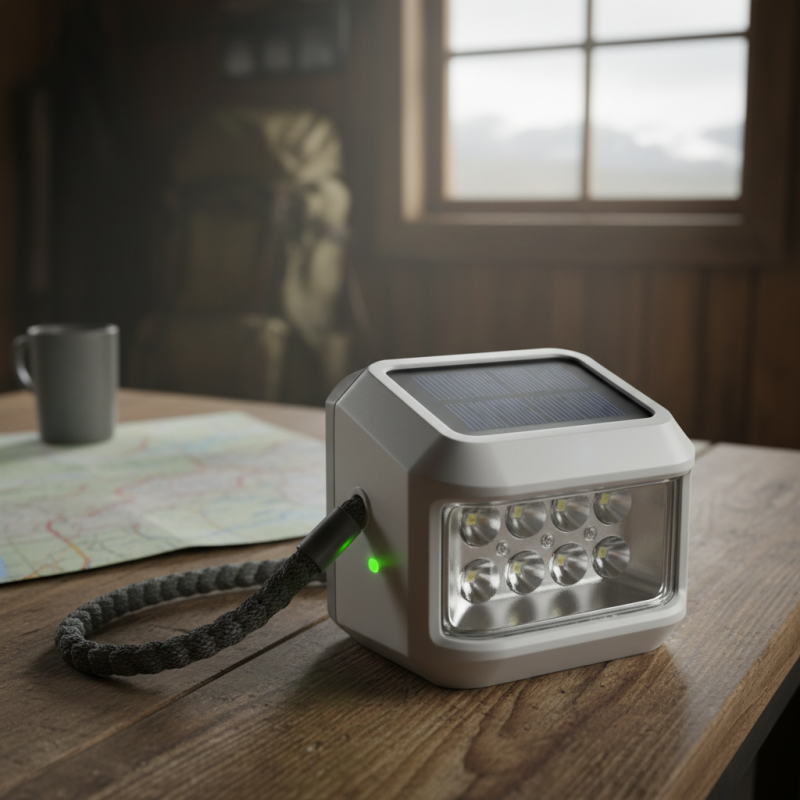
A solar emergency light is a device designed to provide illumination during power outages or emergency situations. It harnesses sunlight, converting it into energy. This process involves photovoltaic cells that capture sunlight and charge internal batteries. In the absence of sunlight, the stored energy can be used to power the light.
Typically, these lights are portable and easy to use. They often come equipped with bright LED bulbs, which are energy-efficient. Some models have an adjustable brightness feature. Using them can feel straightforward, yet they also require attention. Ensuring the solar panels are clean and absorbing maximum sunlight is crucial for optimal performance.
While these lights are helpful, they are not completely foolproof. Weather conditions affect their functionality. On cloudy days, charging may be insufficient. Users often overlook maintenance, which can impact efficiency. A well-maintained solar light can last for years, but neglect leads to diminished performance. Overall, solar emergency lights are beneficial tools but come with their own set of challenges.
Components of a Solar Emergency Light
A solar emergency light is a crucial tool for disaster preparedness. It combines solar panels, batteries, and LED lights into a single device. These lights are designed to provide illumination during power outages and emergencies.
One of the main components is the solar panel, which converts sunlight into electricity. This energy is stored in batteries for later use.
The batteries play a vital role. They store energy captured by the solar panel, making it available when needed. Without sufficient battery capacity, the light may not last through the night. LED lights are another essential component.
They are energy-efficient and provide bright illumination. However, not all solar emergency lights come with equally powerful LEDs, which can be a point of concern.
Finally, a sturdy housing protects the components. Many lights are weather-resistant, allowing outdoor use. Some models have additional features like a flashlight mode or flashing strobe lights for emergencies. But, users should consider the light's charging time and duration.
If a solar light takes too long to charge or doesn't last long enough, it may not be reliable in critical situations.
It's essential to reflect on these aspects when choosing the right solar emergency light for your needs.
How Solar Emergency Lights Generate Energy
Solar emergency lights are innovative devices that harness sunlight to provide illumination during power outages or emergencies. They operate through a straightforward process. Solar panels capture sunlight, which is then converted into electricity. This energy is stored in batteries for later use, ensuring reliable lighting when needed most.
According to industry reports, solar lights can maintain efficiency even on cloudy days. Research indicates that even reduced sunlight leads to significant power generation, often around 50%. This means that, on average, these systems can operate for at least 10-12 hours on a full charge.
Tips: Always install your solar emergency light where it can capture maximum sunlight. Clean the solar panels regularly to improve their efficiency.
When considering solar emergency lights, it’s essential to assess your specific lighting needs. Not all models offer the same battery capacity or light output. Some may underperform, especially during winter months with shorter days. Continuous monitoring of performance can help identify any issues early.
What is a Solar Emergency Light and How Does It Work? - How Solar Emergency Lights Generate Energy
| Aspect |
Details |
| Definition |
Solar emergency lights are portable lighting solutions powered by solar energy, designed for use during power outages and emergencies. |
| Energy Source |
They capture sunlight using solar panels, converting it into electricity stored in rechargeable batteries. |
| Functionality |
When activated, the stored energy is used to power LED lights, providing illumination in dark conditions. |
| Advantages |
Eco-friendly, cost-effective, and reliable in remote areas without access to electricity. |
| Battery Type |
Most use lithium-ion batteries for their high energy density and longevity. |
| Charging Time |
Typically, full charging from sunlight can take 6 to 8 hours, depending on sunlight availability. |
| Use Cases |
Ideal for emergency kits, outdoor camping, or as a backup light source during storms or power outages. |
Benefits of Using Solar Emergency Lights in Emergencies
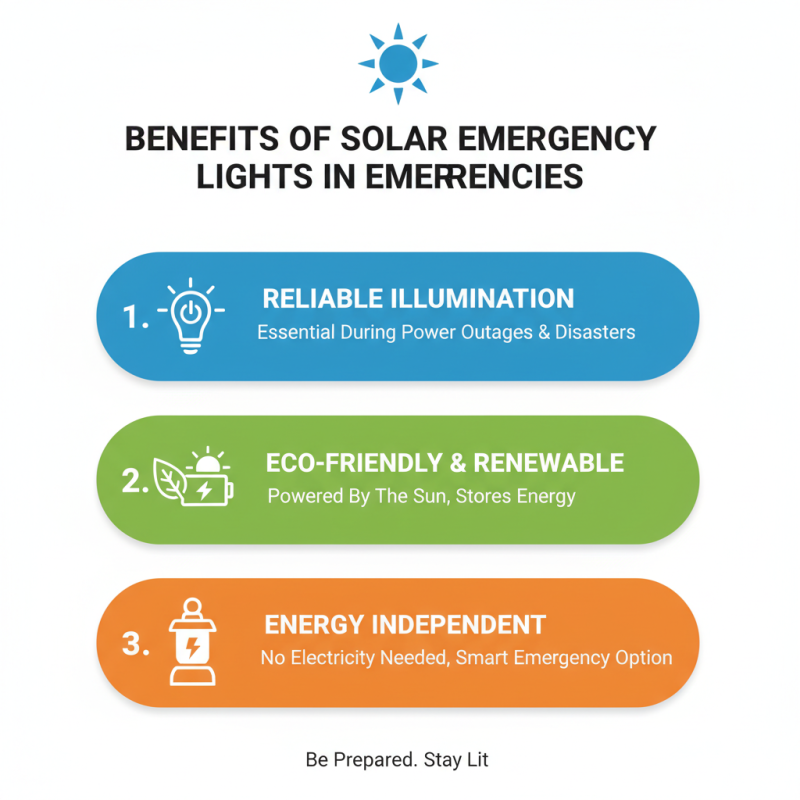
Solar emergency lights are essential during power outages or natural disasters. They offer a reliable source of illumination in challenging situations. Being powered by the sun, these lights are eco-friendly. They absorb sunlight during the day, storing energy for later use. This makes them a smart option for emergencies when electricity might not be available.
The benefits of using solar emergency lights are numerous. They are portable and easy to install. You can place them wherever you need light. This flexibility can be crucial during unexpected events. Additionally, they require little maintenance compared to traditional lights. You don't have to worry about changing batteries frequently. However, the effectiveness can vary based on sunlight exposure. If the day is cloudy, the light might not shine as bright.
Another upside is their cost-effectiveness. Solar emergency lights do not use traditional energy sources. This can save money in the long run. People often overlook the initial cost but should consider long-term benefits. Yet, there is room for improvement in their design. Some models may not last as long as expected. Users should read reviews for performance insights before purchasing. Such reflections can better inform choices for reliable solar emergency solutions.