10 Essential Tips for Choosing the Best Solar Pathway Lights
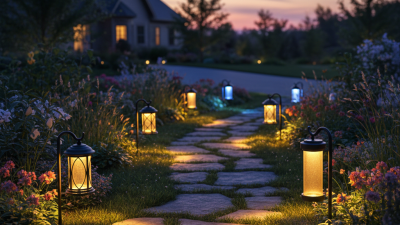
Choosing the right Solar Pathway Lights can significantly enhance your outdoor space. Experts in the field, like Mark Thompson, a renowned solar lighting specialist, emphasize the importance of quality over quantity. He states, "Investing in the best solar pathway lights can transform an ordinary garden into a stunning landscape at night."
When it comes to Solar Pathway Lights, it’s easy to get overwhelmed. There are countless options, and not all are created equal. A well-chosen light can improve safety and aesthetics. Opt for lights that offer bright illumination without harsh glare. Consider the durability of the materials as well. Subpar options may end up failing quickly, leaving dark pathways behind.
Still, some homeowners overlook the importance of brightness and design. Choosing a poorly designed fixture or one that lacks brightness can diminish your outdoor experience. Reflecting on these decisions is crucial as you navigate the market. Quality Solar Pathway Lights should not only illuminate pathways but also enhance your home’s overall beauty.
Understanding the Benefits of Solar Pathway Lights
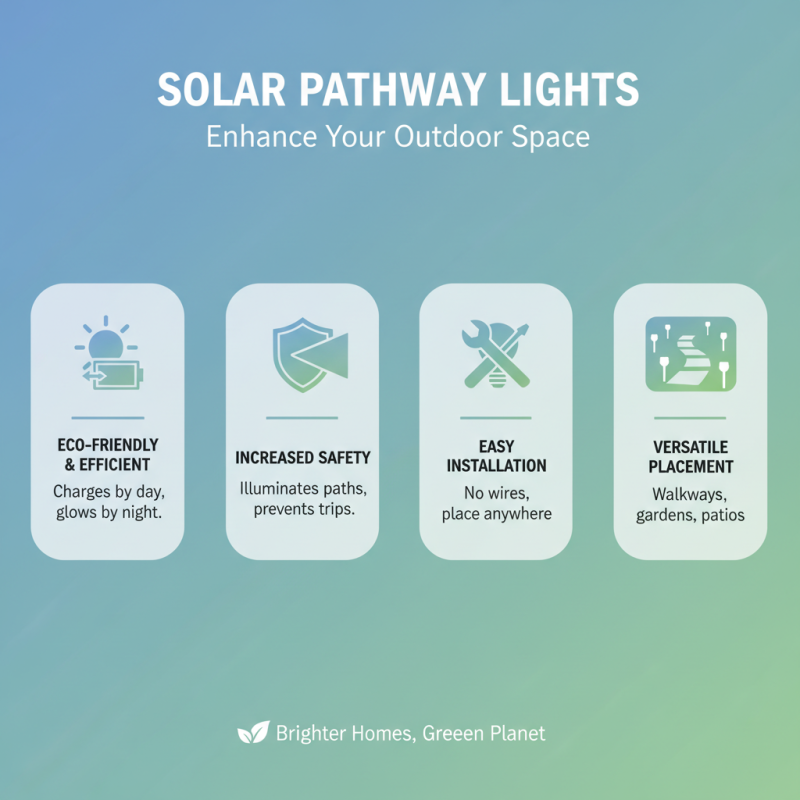
Solar pathway lights offer a fantastic way to enhance your outdoor space. These lights are not only environmentally friendly but also incredibly convenient. They harness sunlight during the day and illuminate your pathways at night. This feature can significantly increase safety around your home. Their lack of wiring makes installation a breeze. You can place them wherever you need light, whether along a walkway or in a garden.
One key benefit is energy savings. With solar lights, you don’t pay for electricity. This aspect appeals to many homeowners who want to lower their utility bills. Additionally, solar lights require little maintenance compared to traditional options. However, it’s essential to realize that they depend on sunlight. On cloudy days, they might not shine as brightly. Also, low-quality options may not last long. Considering these factors can help you make better choices.
When choosing solar pathway lights, look for durability and design. Aesthetics play a significant role. You want lights that complement your landscape. Read reviews and research materials used. Don’t be swayed by the cheapest option; quality often matters more in the long run. These decisions may involve some trial and error, but finding the right lights can transform your outdoor areas.
Key Features to Consider When Choosing Solar Pathway Lights
When choosing solar pathway lights, it’s vital to consider key features that enhance their functionality. Brightness is important. Look for lights with sufficient lumens for visibility. Too dim lights can leave areas unsafe. Conversely, overly bright lights can cause glare. Aim for a balance, such as 100 lumens per light for clarity and safety.
Another factor is battery life. Quality lights should last throughout the night. Short battery life can leave your path dark. Opt for models that recharge quickly but also retain energy well. A solar light’s material plays a role too. Durable materials like stainless steel or weather-resistant plastics withstand outdoor elements. Cheap options may break down quickly.
Think about design and aesthetics as well. Lights should complement your garden or outdoor setting. Choose shapes and colors that enhance your space. Finally, installing lights in strategic spots can make a big difference. Position them near steps or along narrow paths. This can greatly improve visibility and safety.
Types of Solar Pathway Lights for Different Outdoor Settings
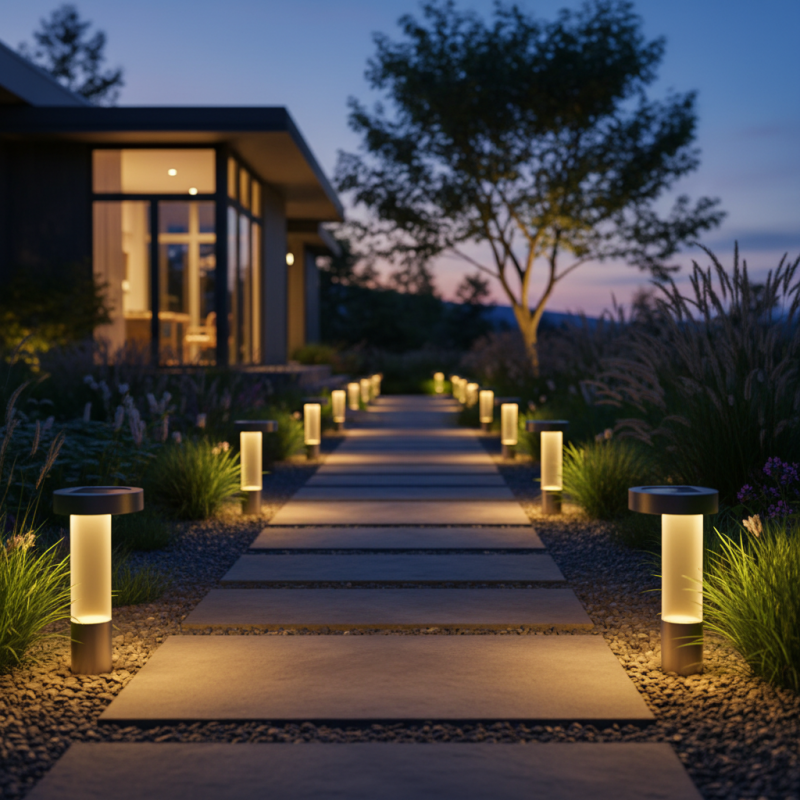
When selecting solar pathway lights, consider the various types suited for different outdoor settings. For gardens, stake lights work well. They provide gentle illumination and blend seamlessly with plants. Their height is adjustable, allowing you to create preferred lighting angles. For pathways, low-profile lights can guide walkers safely. They minimize trip hazards while enhancing visibility.
In contrast, wall-mounted solar lights are perfect for patios. They save space and can create a cozy ambiance. Many styles offer decorative elements, enhancing the overall design. However, they can be tricky when installed in shaded areas. If trees or buildings block the sunlight, their efficiency decreases significantly.
Another option is solar lanterns. These add charm and flexibility. You can place them on tables or hang them from hooks. However, their durability varies. Some might not withstand harsh weather. Always check the materials used. While solar pathway lights can transform a space, careful consideration is crucial. Test different styles to find the right fit for your outdoor area.
10 Essential Tips for Choosing the Best Solar Pathway Lights - Types of Solar Pathway Lights for Different Outdoor Settings
| Type of Solar Pathway Light |
Best Outdoor Setting |
Brightness (Lumens) |
Battery Life (Hours) |
Material |
| LED Stake Lights |
Garden Pathways |
20-50 |
6-8 |
Plastic |
| Solar Lanterns |
Patios & Decks |
30-100 |
8-10 |
Metal |
| Pathway Spotlights |
Driveways |
40-120 |
10-12 |
Aluminum |
| Solar String Lights |
Open Areas |
10-20 |
8-10 |
Plastic or Glass |
| Solar Post Cap Lights |
Fencing |
15-30 |
6-8 |
PVC |
Factors Impacting Solar Performance and Efficiency
When selecting solar pathway lights, several factors affect their performance and efficiency. The quality of solar panels is crucial. Higher-quality panels capture more sunlight and convert it to energy efficiently. Cheaper options often fall short in cloudy conditions. The battery capacity plays a significant role as well. Larger batteries store more energy, allowing lights to operate longer during the night.
Placement is another vital consideration. If the lights are shaded by trees or buildings, their ability to gather sunlight diminishes. This can lead to underwhelming performance. Also, consider the materials used in construction. Durable materials resist weather damage and ensure longevity. Reflect on how often you encounter poor-quality lights failing to meet expectations.
Finally, solar pathway lights vary in brightness. Assess your specific needs before making a choice. A light that is too bright can disturb neighbors, while one that is too dim may not serve its purpose. It's essential to balance aesthetics with functionality to achieve satisfactory results.
Solar Pathway Lights Performance Analysis
Maintenance Tips for Longevity of Solar Pathway Lights
Maintaining solar pathway lights is crucial for their longevity and effectiveness. Proper care can enhance their lifespan significantly. Research indicates that solar lights can last from 3 to 5 years, but this depends on maintenance practices.
Cleaning the solar panels regularly is essential. Dust and debris can block sunlight, reducing energy absorption. Take a soft cloth and gently wipe the panels every few months.
Battery care is equally important. Most solar lights use rechargeable batteries that can degrade over time. It's advisable to replace the batteries every 1 to 2 years. Studies suggest that using high-quality batteries can improve the efficiency of the lights. Check the connections and ensure they are clean. Corrosion can hinder performance.
Positioning also plays a role. Optimal placement can maximize exposure to sunlight. If the lights are shaded by trees or structures, they won’t charge effectively. Regularly assess their location. Additionally, be mindful of seasonal changes. In winter, snow or ice can also block sunlight. A simple repositioning can make all the difference in performance. Through these simple maintenance practices, you can ensure that your solar pathway lights remain bright and functional for years.