What is Emergency Work Light and How to Choose the Best?
In today's fast-paced world, having a reliable Emergency Work Light is essential for both professionals and everyday users. These lights provide critical illumination in unexpected situations, such as power outages, roadside emergencies, or during home repairs. Understanding what makes a high-quality Emergency Work Light can significantly enhance your safety and efficiency.
When choosing an Emergency Work Light, several factors come into play. Brightness, battery life, and durability are crucial elements to consider. A bright, long-lasting light can make a difference in urgent situations. However, with so many options available, selecting the best product can feel overwhelming. This leads to confusion and often results in choices that may not fit your needs.
Reflecting on personal experiences can guide you in making the right decision. A light that is too weak or fragile may leave you in the dark during critical moments. Ultimately, a well-chosen Emergency Work Light ensures you are prepared for the unexpected.
What is an Emergency Work Light? Understanding Its Definition and Purpose
Emergency work lights are essential tools for various situations. Often used during power outages, these lights provide illumination when it matters most. According to the National Fire Protection Association (NFPA), around 44% of fire-related deaths occur in homes without working smoke alarms. The right work light can enhance visibility during emergencies, helping individuals stay safe.
Choosing an emergency work light involves understanding its purpose. These lights must be durable, portable, and bright. Most emergency lights rely on LED technology. LEDs consume less energy and last longer than traditional bulbs. A study by the U.S. Department of Energy shows that LED lights can last 25 times longer than incandescent bulbs. This longevity makes them suitable for continuous or intermittent use during emergencies.
When selecting a work light, consider factors such as brightness, battery life, and weight. A lightweight model might be less robust, but its portability can be crucial in tight situations. Not every light is equally effective in every scenario. Some may struggle in harsh conditions. A thorough evaluation of specific needs will lead to the best choice. Balancing quality and affordability is vital, yet sometimes it’s an imperfect process.
The Importance of Lumens: How Brightness Impacts Emergency Work Lights
When selecting an emergency work light, understanding lumens is crucial. Lumens measure brightness. A higher lumen count means a brighter light, which is essential during emergencies. For instance, a light with 500 lumens can illuminate a dark workspace effectively, ensuring safety. This brightness can help spot potential hazards, making it easier to navigate.
Choosing the right brightness isn't just about numbers. Consider the environment too. In a large area, higher lumens provide better coverage. However, in a smaller space, lower lumens might suffice. Think about the specific needs of your tasks. Some activities require intense brightness, while others don't. Contemplating these factors can enhance your visibility and efficiency during critical times.
It's often overlooked, but brightness impacts not just visibility but also mood and focus. A well-lit space can improve alertness. However, too much brightness can cause glare and discomfort. Finding that balance is key. Reflect on your previous experiences with lighting during emergencies. What worked? What didn't? Each situation offers lessons that are valuable in making your next choice better.
Key Features to Consider When Choosing an Emergency Work Light
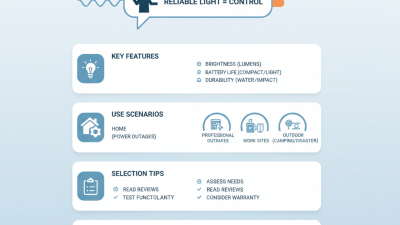
When selecting an emergency work light, several key features matter deeply. First, brightness is critical. A bright light, measured in lumens, ensures visibility even in dark conditions. Aim for a light with at least 500 lumens for effective illumination. Battery life cannot be overlooked. A reliable work light should last several hours, especially during emergencies. Consider models that offer both rechargeable options and battery replacements.
Size and weight also play a significant role. A compact, lightweight design allows for easy transport and storage. Look for lights that are easy to hold and manage in tight spots. Durability is a must. The chosen light should withstand drops and harsh weather conditions. Waterproof or water-resistant options are preferable for outdoor use.
Additionally, think about power options. Some lights operate on batteries, while others can plug into a vehicle or wall outlet. Flexibility in usage is essential. Features like adjustable brightness settings and multiple light modes can enhance usability. Finally, check user reviews for real-world insights. Hearing from others can highlight flaws or strengths you might miss.
Emergency Work Light Features Comparison
This chart represents the key features to consider when selecting an emergency work light. Each bar indicates the particular rating of essential features such as brightness, battery life, weight, water resistance, and price.
Top Brands and Products in the Emergency Work Light Industry
Emergency work lights are essential tools for professionals and DIY enthusiasts. They provide illumination in critical situations, ensuring safety and efficiency. The industry has seen significant growth in recent years, with a projected increase of over 15% annually, according to market research reports. Users need reliable lights that can withstand harsh conditions while being energy-efficient.
When choosing the suitable emergency work light, consider brightness levels and portability. Lights with at least 1000 lumens offer effective illumination. Look for rechargeable models with a battery life of more than five hours. Durability is key, too. A high IP rating indicates resistance to dust and water, useful in adverse environments.
**Tips: Use lights strategically. Position them to maximize visibility. Always have spare batteries on hand. Evaluate your specific needs before purchasing. Not all lights perform equally in every situation.** Whether for home repairs or professional use, choose wisely to gain the best benefits.
Safety Standards and Regulations for Emergency Work Light Usage
When selecting an emergency work light, understanding safety standards is crucial. According to the National Fire Protection Association (NFPA), nearly 80% of fire-related accidents occur at night. This highlights the need for reliable lighting. Emergency work lights must comply with safety regulations like ANSI/ISEA 121 and NFPA 70. These standards provide guidelines to ensure safety in both residential and workplace environments.
Additionally, the Occupational Safety and Health Administration (OSHA) emphasizes the importance of adequate lighting for job site safety. A study from the American National Standards Institute (ANSI) suggests that proper illumination can reduce accidents by up to 30%. Choosing lights that meet these specifications can impact worker safety significantly.
While bright LED lights are often recommended, they can create glare, leading to eye strain. Some reports indicate that lighting should not only be bright but also diffuse. It’s essential to ensure that emergency lights are easily accessible and fully charged. Regular maintenance checks can help avoid issues when they are needed most.