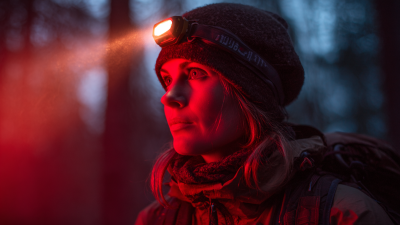
How to Choose the Best Waterproof Headlamp for Any Need?

Choosing the best Waterproof Headlamp starts with understanding where and how you will use it. A trail runner needs a lighter design than a night-shift worker. A camper may value battery life over maximum brightness. Small details matter.

I have used headlamps during wet hikes, early-morning repairs, and cold campsite setup. Rain can expose weak seals quickly. Water resistance alone does not guarantee dependable performance. Check the IP rating, charging-port cover, lens seal, and manufacturer’s test information. Independent reviews can reveal problems that product pages omit. Still, reviews are not perfect. Conditions vary, and some opinions lack useful testing details. Treat them as evidence, not absolute truth.

A reliable choice should balance brightness, beam distance, comfort, battery capacity, and control design. Look for a stable strap that does not slide over a wool hat. Test whether the buttons work with wet or gloved fingers. Red-light modes can protect night vision around a tent. A wide beam helps with close work, while a focused beam supports distant trail visibility. Rechargeable models reduce disposable battery waste, but charging access may become a weakness. Keep a backup power option nearby. No lamp is perfect.

This guide compares practical features, realistic specifications, and common compromises. It also considers professional recommendations and hands-on performance. The goal is not to find the brightest lamp. It is to find one that remains comfortable, predictable, and useful when conditions become unpleasant.
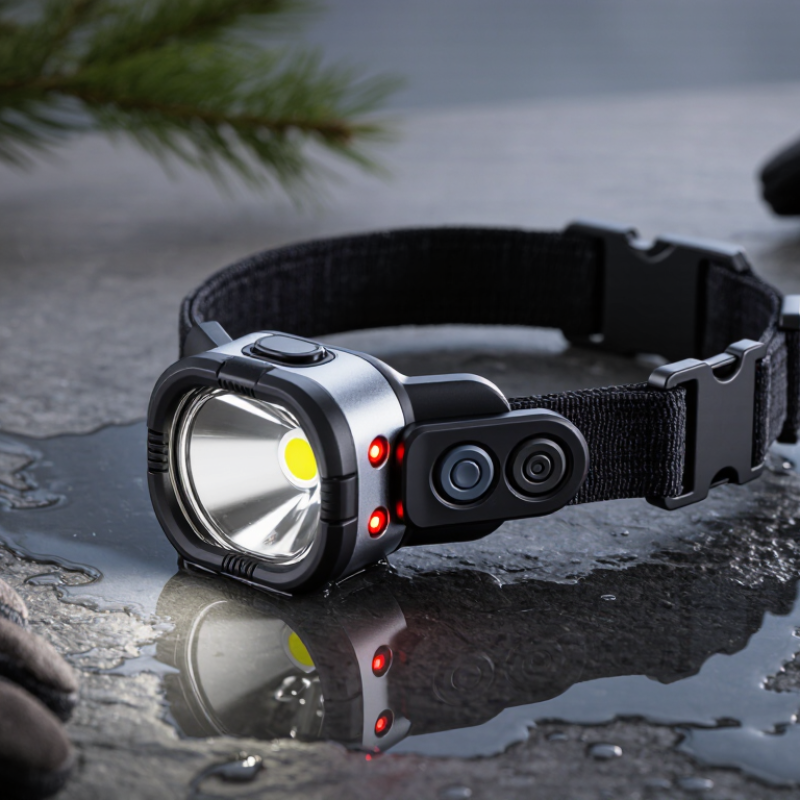
How to Choose the Best Waterproof Headlamp for Any Need?

Define Waterproof Ratings and Headlamp Protection Levels

How to Choose the Best Waterproof Headlamp for Any Need?

Waterproof protection begins with the IP rating, not the word “waterproof” on packaging. The first digit measures solid-particle protection, while the second measures water resistance. For example, IPX4 protects against splashing from different directions. It suits light rain and ordinary outdoor walking. IPX7 allows temporary immersion, usually up to one metre for 30 minutes. IPX8 supports deeper or longer immersion, but the manufacturer must define the exact test conditions. IP65 is dust-tight and resists water jets, yet it does not automatically permit immersion.

Protection levels can be confusing. IPX6 handles powerful water jets, while IPX7 handles temporary immersion. One is not always better for every situation. A headlamp used near rivers may benefit from both ratings. Check the complete test information, preferably against IEC 60529.

Lab results still have limits. Worn seals, loose battery covers, and repeated drops can reduce real protection. I once treated a high rating as permanent security; that was careless. Water usually enters through neglected openings.

Tips:

Match the rating to your activity. Choose IPX4 for commuting in rain, IPX7 for kayaking or sudden drops, and stronger dust protection for desert trails. Inspect seals before use. Keep charging ports closed. Dry the lamp before opening its battery compartment. Brightness matters, but a secure seal matters more in cold, wet darkness.

Match Brightness, Beam Distance, and Lighting Modes to Your Tasks

How to Choose the Best Waterproof Headlamp for Any Need?

A waterproof headlamp should match the task, not just survive rain. Brightness matters, but lumens alone can mislead you. For cooking at a wet campsite, 200 to 400 lumens usually feels comfortable. Trail running may need 500 lumens or more, especially on uneven ground. However, excessive brightness can cause glare on nearby rocks or fog.

When testing headlamps outdoors, I compare beam distance beside familiar objects, such as trees or trail markers. A narrow beam reaches farther, while a wide beam helps with climbing, repairs, and reading maps. I once chose a powerful model for a short hike and regretted it. The battery drained faster than expected. That mistake changed how I judge performance.

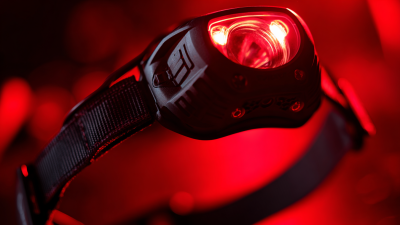
Tips: Choose several lighting modes. Use low light inside a tent, medium light for walking, and high light for technical terrain. A red mode can protect night vision around a campsite. Check whether the controls work with cold or wet fingers. Also examine the stated runtime carefully, because maximum brightness often lasts much less than advertised. A secure strap matters too. A bright headlamp that slips during movement becomes frustrating quickly. Reflect on your real tasks before comparing specifications. The best balance may be modest brightness, reliable distance, and simple controls.

How to Choose the Best Waterproof Headlamp for Any Need

Match brightness and beam distance to the task, then select lighting modes that suit changing conditions.

How to read the chart: Suggested brightness and beam distance are practical starting points for common activities. Close-up work usually needs a wide, low-output beam, while hiking and emergency searches benefit from higher brightness and a longer throw. Choose headlamps with low, medium, high, and red-light modes for better battery control, night vision, and flexibility.

Choose the Right Battery Type, Runtime, and Charging Method

How to Choose the Best Waterproof Headlamp for Any Need?

Battery choice affects weight, runtime, cold-weather performance, and charging convenience. Alkaline cells remain practical for emergencies because replacements are widely available. Rechargeable lithium-ion cells usually provide higher energy density and steadier brightness. The U.S. Department of Energy’s Energy Storage Grand Challenge Roadmap reports approximately 85–95% round-trip efficiency for lithium-ion systems, although headlamp results vary. That difference matters during long hikes or overnight repairs.

Treat runtime figures carefully. Under the ANSI/PLATO FL 1 standard, runtime continues until output falls to 10% of the initial measurement. A lamp rated for 12 hours may become visibly dim much earlier. Check the test mode, temperature, and battery used. Cold air reduces practical capacity. I still overestimate runtime sometimes. Marketing numbers can feel reassuring.

Charging method should match your routine. USB-C charging is convenient inside a vehicle or shelter, while replaceable cells offer resilience when outlets disappear. Look for charge indicators, protected charging circuits, and a sealed port cover. For water resistance, IEC 60529 defines IPX4 as protection from splashing, while IPX7 covers temporary immersion up to one metre for 30 minutes. IPX8 depends on the manufacturer’s stated conditions. A high rating does not guarantee survival after repeated impacts. Choose the battery and charging system you can maintain, not merely the brightest specification.

Evaluate Comfort, Fit, Durability, and Hands-Free Features

Choosing a waterproof headlamp starts with comfort, not maximum lumens. The 2024 Outdoor Participation Trends Report recorded 175.8 million U.S. participants in outdoor recreation, showing how widely headlamps are used. That range demands adaptable fit. Look for a soft, sweat-resistant strap with a stable top strap. It should sit above your eyebrows, not press against them. Test it while walking, climbing, and looking down. Movement reveals poor balance quickly. A lighter body usually reduces forehead pressure, but an extremely light model may sacrifice battery capacity or durability.

Water protection needs careful reading. IEC 60529 defines IPX4 as protection from splashing water, while IPX7 covers temporary immersion up to one metre for 30 minutes. IPX8 depends on the manufacturer’s stated conditions. That distinction matters in heavy rain, wet caves, or accidental drops. For durability, check testing based on ANSI/PLATO FL 1, which includes impact and water-resistance procedures. Inspect the battery door, seals, hinges, and charging cover. Small gaps become serious problems.

Hands-free control should feel natural. A large button works better with cold or gloved fingers. Tilt adjustment helps when reading maps or repairing equipment. A lockout mode can prevent accidental activation inside a pack. Test the beam while wearing a hood. I often forget this step. That is a mistake. Red light can protect night vision, but it is not equally useful for every task. Choose simple controls, secure fit, and verified testing over impressive packaging claims.

Compare Headlamp Options for Hiking, Work, Emergencies, and Water Activities

How to Choose the Best Waterproof Headlamp for Any Need?

Headlamp choice should follow the activity, not the brightest number on the package. The Outdoor Foundation’s 2024 report recorded 175.8 million American outdoor participants in 2023. That scale makes reliable hands-free lighting more than a niche concern. For hiking, choose a comfortable lamp with a wide beam, red mode, and dependable battery life. A narrow beam helps on distant trails, but it can hide roots near your feet. Weight matters after several hours.

Work environments demand different details. Look for impact resistance, gloves-friendly controls, and a secure strap that stays stable under a hard hat. ANSI/PLATO FL 1 testing provides useful comparisons for beam distance, runtime, and impact resistance. However, runtime can change sharply in cold weather or high-power mode. Manufacturers’ figures are not always field reality. That deserves careful checking.

For emergencies, simple controls and replaceable or rechargeable power can prevent frustrating delays. Keep a backup battery in a sealed pouch. During kayaking, fishing, or heavy rain, inspect the ingress rating carefully. IEC 60529 distinguishes splash protection from immersion protection; IPX4 is not suitable for submersion, while IPX7 or IPX8 involves specific test conditions. Waterproof does not mean indestructible. Salt water, dropped gear, and loose battery covers still cause failures. I would test the lamp outdoors before trusting it on a remote trip, because specifications rarely reveal every weakness.