How to Choose the Best Waterproof Headlamp for Outdoor Adventures
In the realm of outdoor adventures, the significance of a reliable waterproof headlamp cannot be overstated. According to renowned outdoor gear expert, Dr. Emily Carter, “A waterproof headlamp is not just an accessory; it’s an essential tool that enhances safety and visibility in unpredictable weather conditions.” As enthusiasts venture into the wilderness, the demands for durable and efficient lighting solutions become paramount, especially given the risk of sudden rainstorms or wet environments.
Choosing the best waterproof headlamp involves understanding various factors such as brightness, battery life, and comfort. A headlamp needs to withstand not only water exposure but also the rigors of outdoor use, ensuring it remains functional in diverse situations, from hiking to camping. The right waterproof headlamp provides not only the peace of mind that comes with knowing you can navigate dark trails but also enhances your overall experience in nature, allowing you to explore more confidently.
With advancements in technology, many waterproof headlamps now offer features that cater to the specific needs of outdoor adventurers. Whether you're trekking through a rain-soaked forest or setting up camp in a damp environment, equipping yourself with a reliable waterproof headlamp ensures that you are prepared for whatever nature may throw your way, fostering a deeper connection with the great outdoors.

Factors to Consider When Selecting a Waterproof Headlamp
When selecting a waterproof headlamp for outdoor adventures, there are several crucial factors to consider to ensure you make the right choice. First, you should look at the lamp's waterproof rating, usually designated by the IP (Ingress Protection) code. A higher rating, such as IPX7 or IPX8, indicates better water resistance, meaning the headlamp can withstand heavy rain or even immersion in water. This is essential for activities like kayaking or hiking in unpredictable weather conditions.
Another important aspect to evaluate is the brightness level, measured in lumens. Depending on your nighttime activities, you may need a more powerful beam to illuminate your path. Additionally, consider the battery life and type of batteries used; rechargeable options can be more convenient for extended trips. A versatile headlamp with mutiple brightness settings can help you save battery life while providing adequate light for various scenarios.
Tips: When trying on headlamps, ensure that the fit is comfortable and secure on your head, especially if you plan to wear it for extended periods. Also, check for features like adjustable straps and tilting heads to enhance usability. Lastly, don’t forget to consider the weight of the headlamp, as a lighter model will be easier to carry on long treks.
Understanding Waterproof Ratings and Standards
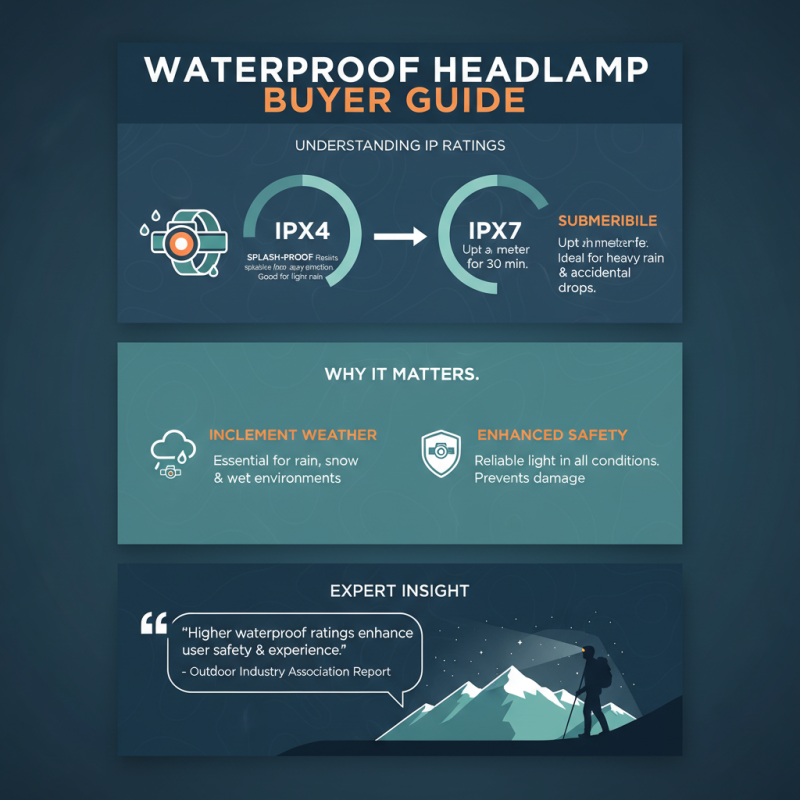
When selecting a waterproof headlamp for your outdoor adventures, understanding waterproof ratings and standards is crucial. Headlamps are commonly rated using the Ingress Protection (IP) code, which indicates their resistance to water and dust. For instance, an IPX4 rating means that the device can withstand splashes of water from any direction, while an IPX7 rating indicates submersion in water up to 1 meter for 30 minutes. According to a report by the Outdoor Industry Association, products with higher waterproof ratings are not only necessary for inclement weather conditions but also enhance overall user safety and experience during nighttime excursions.
Additionally, it’s essential to recognize that different activities may require varying levels of waterproof capability. A study from the National Outdoor Leadership School (NOLS) highlights that for activities like kayaking or caving, a headlamp with at least an IPX7 rating is recommended. In contrast, for general hiking or casual camping, an IPX4 to IPX5 rating may suffice. Understanding these nuances helps ensure that you choose a headlamp that aligns with your specific needs, providing you with reliable illumination when faced with rain or wet conditions. This way, you can focus on your adventure, knowing your gear won’t let you down.
Key Features for Outdoor Use in a Headlamp
When selecting a waterproof headlamp for your outdoor adventures, it is crucial to consider several key features that define its suitability for various environments. First and foremost, the waterproof rating is vital; look for a headlamp that is rated at least IPX4, which ensures it can withstand splashes from any direction. If you expect to encounter heavy rain or submersion in water, an IPX7 or higher rating is recommended, as these can endure temporary immersion. This becomes especially significant for activities like camping, hiking, or kayaking, where exposure to water can be inevitable.
Additionally, brightness and beam distance are essential features to evaluate. A headlamp with adjustable brightness levels offers versatility, allowing you to optimize battery life based on your needs. Aim for a lumen output of at least 200 lumens for general use in outdoor settings. Moreover, consider a headlamp with a focused beam for long-distance visibility and a diffused light function for close-up tasks. Finally, comfort and weight are also important, as a lightweight and well-balanced headlamp ensures you can wear it for extended periods without discomfort, making your outdoor adventures safer and more enjoyable.
Waterproof Headlamp Features Comparison
Top Brands Known for Quality Waterproof Headlamps
When selecting the best waterproof headlamp for outdoor adventures, it's crucial to consider brands that have established a reputation for quality and reliability. According to industry reports, the global headlamp market is projected to reach over $300 million by 2026, driven by the increasing popularity of outdoor activities. Brands with a long history in the market tend to invest in innovative designs, quality materials, and effective waterproofing technologies, ensuring their products can withstand harsh conditions.
Tips for choosing a waterproof headlamp include looking for an IPX rating, which indicates the level of protection against water. A headlamp rated IPX4 or higher is typically suitable for most outdoor activities, providing protection against splashes and brief immersions. Additionally, consider the beam distance and brightness; a high lumen output is beneficial for night hiking or camping, allowing you to see farther and more clearly in low-light conditions.
Another important factor is battery life; opt for models offering both rechargeable and disposable battery options. This ensures that you won't be stranded without light during your adventures. According to surveys, headlamps with hybrid battery options receive higher satisfaction ratings from outdoor enthusiasts. By prioritizing trusted brands and essential features, you can confidently choose a waterproof headlamp that will enhance your outdoor experiences.
How to Choose the Best Waterproof Headlamp for Outdoor Adventures
| Model |
Lumens |
Waterproof Rating |
Battery Life (hours) |
Weight (oz) |
Features |
| H900 |
1000 |
IPX8 |
30 |
5.5 |
Rechargeable, Adjustable Beam, Multiple Modes |
| B300 |
500 |
IPX6 |
20 |
4.0 |
Lightweight, Brightness Control, Strobe Function |
| T5 Pro |
750 |
IPX7 |
25 |
6.0 |
Sensor Activated, Lightweight Design, Durable |
| GX100 |
300 |
IPX5 |
15 |
3.2 |
Compact, Adjustable Angle, Budget-Friendly |
Tips for Maintaining and Caring for Your Waterproof Headlamp
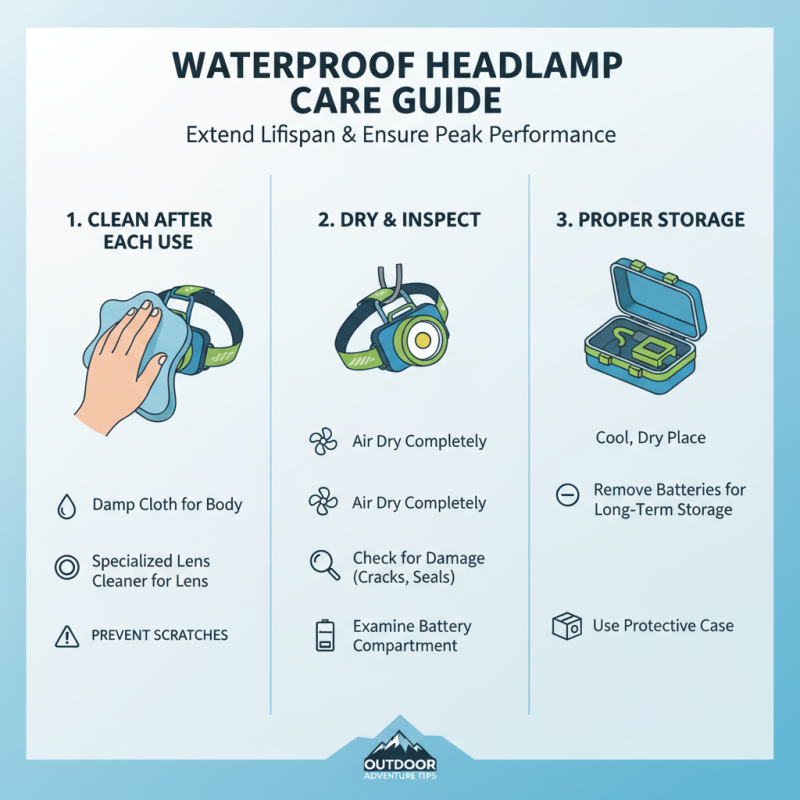
When it comes to maintaining your waterproof headlamp, proper care can significantly extend its lifespan and ensure optimal performance during outdoor adventures. After each use, it's crucial to clean the headlamp to remove any dirt, mud, or saltwater that may have accumulated. A damp cloth is often sufficient for wiping down the exterior, while the lens can be cleaned with a specialized lens cleaner to prevent scratches and ensure clarity.
Proper storage is another key aspect of maintenance. Always store your headlamp in a cool, dry place away from direct sunlight to prevent damage to the casing and battery. If your headlamp uses rechargeable batteries, ensure they are fully charged before storage, and consider periodically recharging them to prevent degrading. Additionally, checking the seals and components regularly can help you catch any potential issues before they lead to significant problems, allowing for timely repairs or replacements.