Why Choose Solar Emergency Light for Sustainable Power Needs?
In today's world, reliable lighting during emergencies is crucial. The Solar Emergency Light offers a sustainable solution for power needs in critical situations. This innovative lighting option harnesses solar energy, providing illumination when it matters most.
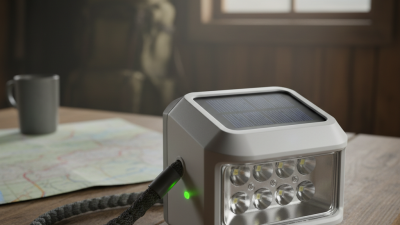
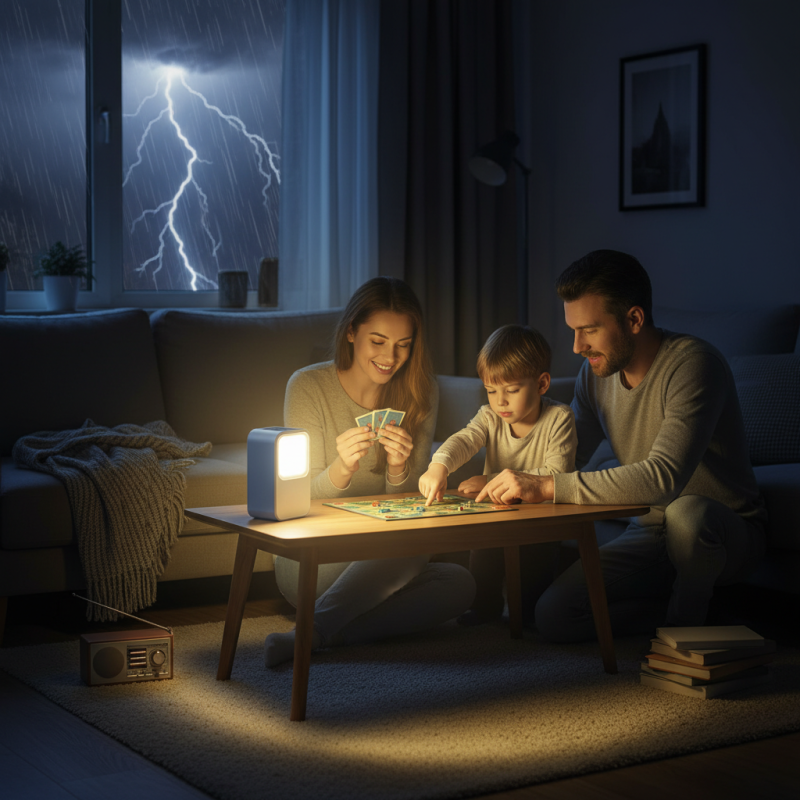
Imagine a sudden power outage during a storm. The darkness can be overwhelming, heightening anxiety. In such moments, a Solar Emergency Light can bring comfort and safety. Its portability makes it easy to store and access. Additionally, this light requires no fuel or batteries, minimizing ongoing costs.
However, not all solar lights are alike. Users must select high-quality models to ensure reliability. Researching brands and reviews can help identify the best options. Choosing poorly designed lights may leave users in the dark when they need illumination the most. Thus, understanding the features and benefits of Solar Emergency Lights is essential for effective preparedness.
Benefits of Solar Emergency Lights for Sustainable Power Solutions
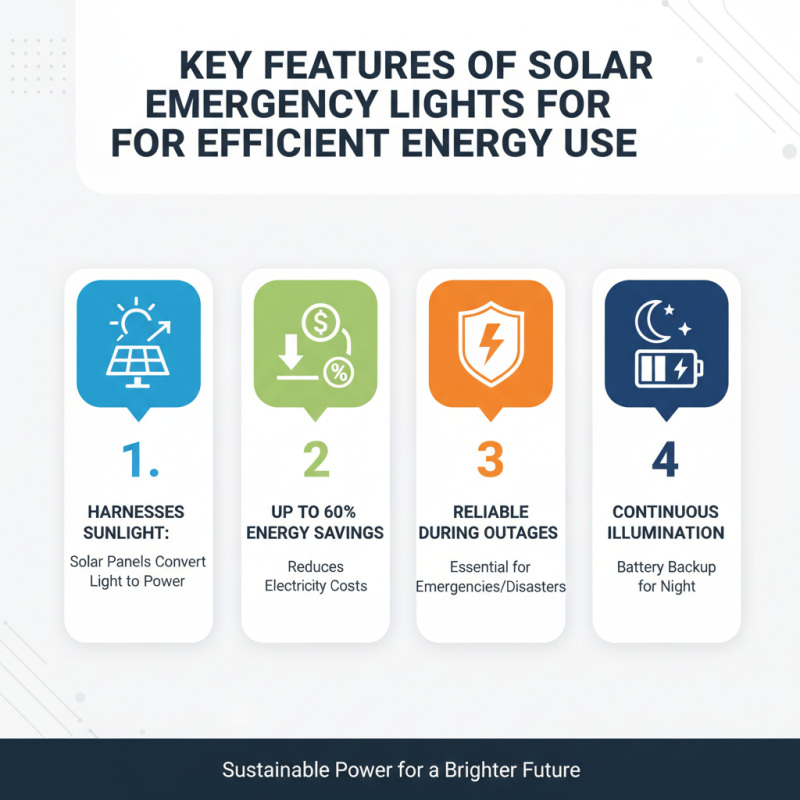
Solar emergency lights are becoming essential for sustainable power solutions. They harness sunlight to provide reliable illumination when needed most. Unlike traditional lights, solar options don't depend on grid power. This makes them ideal during outages or in remote areas.
Their benefits go beyond convenience. Solar emergency lights are eco-friendly, reducing carbon footprints. They typically use LED bulbs, which are energy-efficient and long-lasting. Some models also come with battery backups, ensuring they work even on cloudy days. However, it’s important to note that performance can vary based on location. Areas with limited sunlight may need stronger models.
Another aspect to consider is the initial investment. While solar lights may cost more upfront, savings on electricity can be significant over time. Maintenance is usually low, but occasional cleaning of solar panels is essential for optimal performance. Many users find that understanding the specific needs of their environment can be challenging. Testing different models can lead to better results and greater satisfaction.
Statistics on Solar Energy Adoption and Its Impact on Emergency Lighting
When considering solar energy, statistics reveal a promising trend. Recent reports show a significant increase in solar energy adoption. Over 30% of households now utilize solar power. This shift highlights a growing awareness of sustainable energy solutions. Emergency lighting is one area benefiting enormously from this trend.
Tips: Focus on energy efficiency. Choose lights that automatically activate during power outages. Ensure they have a long-lasting battery life for reliability.
The impact of solar energy on emergency lighting is profound. Traditional systems rely on grid power, often failing during outages. However, solar emergency lights operate independently. They can charge during the day and illuminate your space when needed. This capability can save lives and prevent chaos during emergencies.
Incorporate solar emergency lights into your safety plans. Evaluate your needs and choose models that suit specific environments. Remember, while solar technology is reliable, it requires regular maintenance. Ensure panels stay clean and unobstructed to maximize efficiency.
Why Choose Solar Emergency Light for Sustainable Power Needs? - Statistics on Solar Energy Adoption and Its Impact on Emergency Lighting
| Year |
Global Solar Energy Installed Capacity (GW) |
Percentage of Renewable Energy in Total Power Generation |
Adoption Rate of Solar Emergency Lights (%) |
CO2 Emission Reduction (Million Tons) |
| 2018 |
480 |
26% |
15% |
5.5 |
| 2019 |
580 |
27% |
20% |
7.1 |
| 2020 |
710 |
29% |
25% |
10.2 |
| 2021 |
900 |
31% |
35% |
12.8 |
| 2022 |
1150 |
33% |
40% |
15.5 |
Comparative Analysis of Solar vs. Traditional Emergency Lighting Systems
When considering emergency lighting systems, the choice between solar and traditional options is crucial. Solar emergency lights harness sunlight, making them environmentally friendly. They are particularly useful in remote areas with limited access to electricity. In contrast, traditional emergency lights often depend on batteries or mains power. This can become problematic during power outages.
One significant difference lies in maintenance. Solar lights typically require less upkeep. They are designed to withstand various weather conditions. Traditional systems may need regular battery replacement and can malfunction when power sources fail. However, solar technology may have limitations. For example, cloudy days can affect their efficiency. Users must be mindful of these factors when making a decision.
Cost is another vital aspect. While solar emergency lights might have higher initial costs, they can save money over time. They reduce energy bills and eliminate the need for replacements often. Traditional lights may seem cheaper initially but lead to ongoing expenses. Keeping these elements in mind ensures a well-informed choice for sustainable power needs.
Future Trends in Solar Emergency Lighting Technology and Sustainability
As we move toward a more sustainable future, solar emergency lighting technology is evolving rapidly. The focus is on enhancing efficiency and reliability. Recent advancements promise longer-lasting batteries and better energy conversion rates. These changes can significantly reduce reliance on conventional power sources, especially in emergency situations.
Environmental concerns drive innovation in this field. New materials are being developed that offer better durability and lower environmental impact. Solar panels are becoming lighter and more efficient. This means they can deliver more energy from smaller surfaces. Innovations are also seen in LED technology, contributing to longer lifetimes and lower energy consumption. Solar emergency lights can now provide reliable illumination when it's needed the most.
However, challenges remain. Some users still struggle with installation and maintenance. Awareness and education about effective use are necessary. Understanding the limitations of solar technology in varying weather conditions is crucial. Additionally, less efficient models exist, creating a gap in the market. Continuous improvement and adaptation are essential for meeting the growing demand for sustainable power solutions.
Growth of Solar Emergency Lighting Adoption (2018-2023)
The adoption of solar emergency lighting has seen significant growth from 2018 to 2023. This graph illustrates the increasing number of units sold, reflecting the rising trend towards sustainable power solutions. As awareness of renewable energy options grows, more consumers are opting for solar-powered products, highlighting their importance in emergency situations.