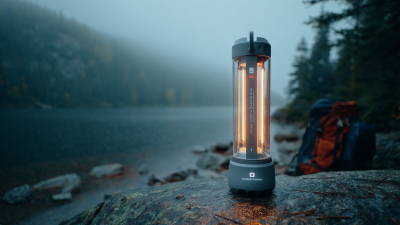
What is the Best Tent Light for Camping Tips and Reviews?
Camping under the stars can be magical. However, it has its own challenges. One key element of a comfortable camping experience is proper lighting. A good tent light camping solution can make a huge difference. It provides safety, convenience, and atmosphere.
When choosing a tent light, consider its brightness, runtime, and weight. Some people may prefer hanging lights, while others opt for portable lanterns. Each option has unique advantages. Personal preferences may vary, leading to debates on the “best” light. This subjective nature often leaves campers feeling uncertain.
Finding the perfect tent light camping requires careful thought. For instance, how do you balance brightness with battery life? Sometimes, products do not live up to expectations. Learning from others' experiences through reviews can help. Remember, the best light depends on individual needs and preferences. Make your choice wisely, and enjoy those cozy nights in the great outdoors.
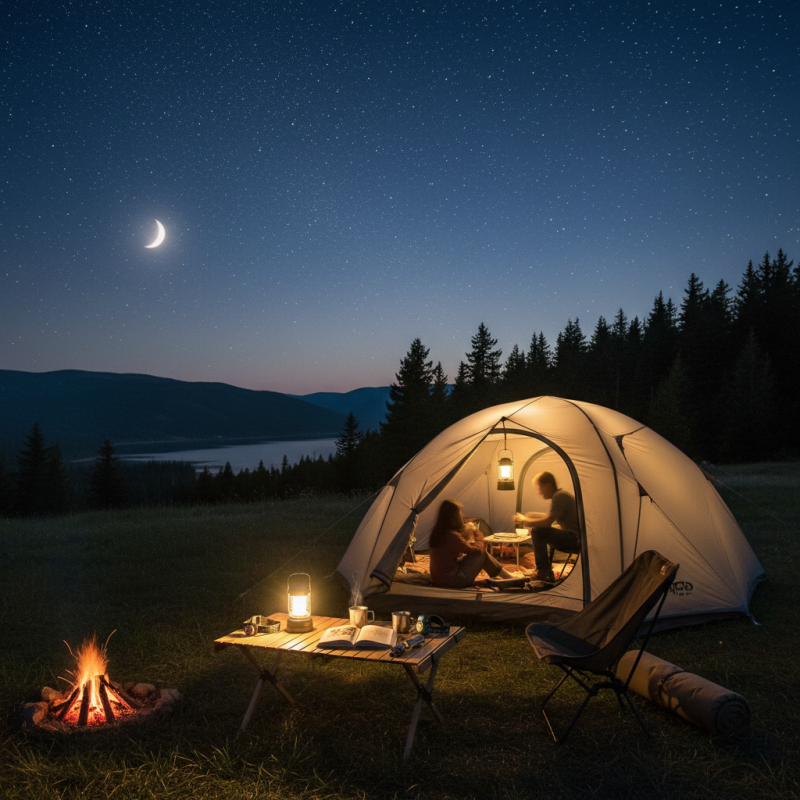
What to Consider When Choosing a Tent Light for Camping
When choosing a tent light for camping, consider the type of light source.
LED lights are popular for their efficiency and brightness. They can illuminate the entire tent with ease. Battery life is crucial. A light that runs out of juice early can ruin your evening.
Portability is another key factor. You want something lightweight and compact. There are so many options that fit easily into your backpack. Some models even come with hooks for easy hanging. It's vital to check the weight before you buy. A heavy light isn’t ideal for long hikes.
Tips: Think about the brightness level you need. Too bright can be blinding during the night. A dimmer setting can create a cozy atmosphere. Check for various lighting modes. Some lights can switch from bright to warm tones. It’s a great feature for transitioning from activity time to relaxation. Don’t forget to consider waterproof ratings when camping in wet conditions.
Types of Tent Lights: Lanterns, Headlamps, and String Lights
Choosing the right tent light can significantly enhance your camping experience. There are various types to consider: lanterns, headlamps, and string lights. Lanterns are versatile. They provide broad illumination, making them great for shared spaces. According to industry surveys, 65% of campers prefer lanterns for group activities or cooking.
Headlamps offer a hands-free lighting option. They are perfect for tasks like setting up tents at night. Their lightweight design allows for easy portability. Many users appreciate the focused beam, but some find it uncomfortable after extended use. A staggering 75% of campers find headlamps vital for personal activities.
String lights create a cozy atmosphere. They are not only practical but add charm to the campsite. However, they can be bulky and require more setup time. About 50% of campers report challenges with tangled cords. When choosing, consider the placement and power source. Each type brings unique advantages and challenges, making personal preference essential.
What is the Best Tent Light for Camping Tips and Reviews?
| Type |
Brightness (Lumens) |
Battery Life (Hours) |
Weight (lbs) |
Water Resistance |
| Lantern |
200 |
30 |
1.5 |
IPX4 |
| Headlamp |
300 |
40 |
0.5 |
IPX6 |
| String Lights |
150 |
20 |
1.0 |
IPX5 |
| Solar Lantern |
100 |
12 |
1.2 |
IPX4 |
Brightness and Lumens: How Much Light Do You Really Need?
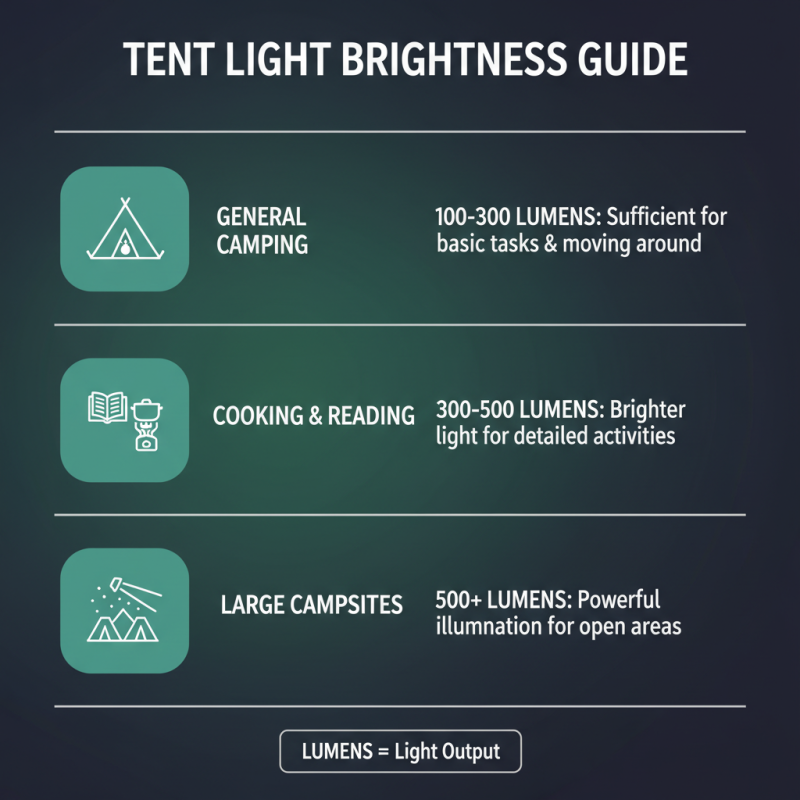
When choosing a tent light, understanding brightness is essential. Lumens measure the light output. For camping, this matters significantly. Typically, 100 to 300 lumens suffice for general tasks. If you plan to cook or read, consider lights with 300 to 500 lumens. More powerful lights might help in larger campsites or darker areas.
However, don’t overlook your personal needs. What may work for one person might not suit another. Too much brightness can create an uncomfortable glare. It's easy to underestimate how much light you actually require. Consider testing various options at home before heading out.
Different situations call for different lighting solutions. A soft light can enhance a cozy atmosphere. Yet, when setting up a tent at night, bright spots are more useful. Reflect on your camping habits. Are you reading often or just winding down? Balancing brightness and ambiance is vital in choosing the right tent light.
Battery Life and Power Sources: Evaluating Rechargeable vs. Disposable
When choosing a tent light for camping, battery life is crucial. Camping often means being off the grid. You need reliable illumination. Rechargeable lights offer convenience. They allow you to charge before the trip. They usually last several hours on a full charge. However, what if you forgot to charge it? This can be a big problem. Disposable batteries can be a lifesaver in such situations. Simply carry extras in your pack.
Power sources can affect your overall experience. Rechargeable lights may come with a USB option. This can work well with solar chargers. But this option isn't for everyone. On cloudy days, solar charging takes longer. Often, you will need multiple types of batteries, which can be confusing. You might find yourself swapping out batteries more than you'd like. This can disrupt the fun of camping.
Ultimately, your choice should reflect your style. If you like long trips, consider disposable batteries. They offer peace of mind. If you prefer short weekend trips, go for rechargeable options. Remember to weigh the pros and cons. The best light fits your needs and adds joy to your nights under the stars.
Durability and Weather Resistance: Ensuring Your Light Stands Up to Nature
When selecting a tent light for camping, durability and weather resistance are key factors. Many campers overlook how harsh the elements can be. According to a report by the Outdoor Industry Association, about 80% of outdoor enthusiasts report encountering severe weather during their trips. This underscores the necessity for reliable lighting that won't fail when you need it most.
Choosing a light made from robust materials is essential. ABS plastic or aluminum can withstand impacts from falls or rough handling. Waterproof ratings can also be a significant indicator of quality. Look for lights with an IPX rating of 4 or higher. This means they can handle splashes and rain. However, an IP68 rating indicates a higher level of waterproofing. It's essential to know which conditions your light can endure.
Tips: Always check the light's features. Look for sturdy clips or hooks for easy setup. Ensure your light can work on varying battery levels. A light that dims with low batteries can lead to frustration. After all, camping is about enjoying nature, not hunting for spare batteries in the dark. Consider battery life, especially in wet conditions. Some lights can flicker or drain faster when exposed to moisture. Be aware of this before heading into unpredictable weather.