Best Solar Emergency Light for Power Outages Everyone Needs?
In an age where power outages are becoming increasingly common, having a reliable light source is essential. Solar emergency lights provide an ideal solution for such situations. These lights harness solar energy, ensuring you have illumination when the grid goes down. With various models available, choosing the best one can seem daunting.
Selecting the right solar emergency light involves more than just brightness. It's crucial to consider battery life, charging time, and durability. A well-designed light can offer hours of reliable use, making your evenings safer during unexpected outages. Not all lights are created equal, and some may not meet your expectations during critical moments.
It’s easy to overlook the importance of emergency preparedness. Investing in quality solar emergency lights is not just a smart choice but a necessary one. Ignoring this aspect of home safety could leave you in the dark when you need it most. Make sure your choice is both practical and dependable. The right solar emergency light can be a true lifesaver.
Overview of Solar Emergency Lights for Power Outages
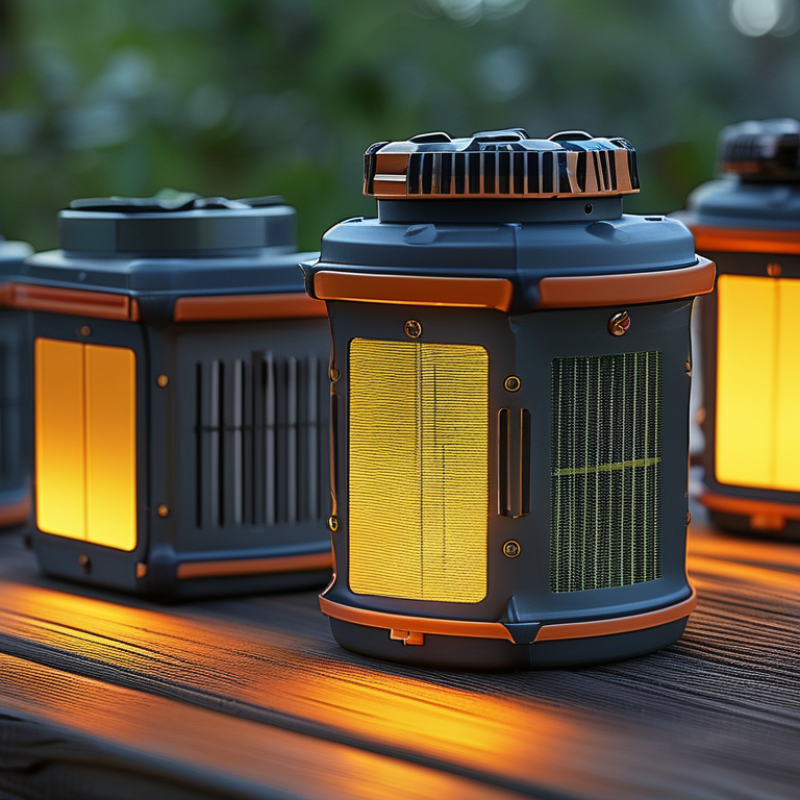
Solar emergency lights are essential for power outages. They provide reliable illumination during blackouts. When choosing a solar emergency light, consider its brightness and battery life. A bright light can illuminate dark rooms and outdoor areas effectively. Look for models that offer at least 500 lumens for good visibility.
Efficiency is crucial. Solar panels should recharge quickly, even in low sunlight. Some lights may take longer to charge, resulting in disappointment during emergencies. Durability is another factor. Lights exposed to the elements must withstand harsh conditions. Waterproof features are necessary for outdoor use.
User experiences vary. Some users appreciate the convenience of solar lights, while others find limitations in their runtime. It’s important to understand these pros and cons when selecting a model. Testing different lights before an emergency could help. Each situation is unique, and having the right emergency light ready can make a significant difference.
Key Features to Look for in Solar Emergency Lights
When selecting solar emergency lights, certain key features are essential. According to the Solar Energy Industries Association, solar lights can reduce energy costs and provide reliable illumination during power outages. Durability is a major consideration. Outdoor lights should be weather-resistant, ensuring they withstand rain and wind. The best lights often come with reinforced materials to avoid damage.
Brightness is another critical factor. Look for lights that offer adjustable brightness settings. A report from the National Renewable Energy Laboratory shows that a lumens output of 100 to 200 is often sufficient for outdoor use. Battery capacity also matters. Longer-lasting batteries provide peace of mind during extended outages. Features like solar panel efficiency and charging time can directly impact performance, so they shouldn't be overlooked.
Additionally, ease of installation is crucial. Many homeowners prefer lights that require little assembly. Lightweight models can be moved easily to where they are needed most. Some solar lights even include motion detectors, which can enhance security. While many solar lights are effective, not all are created equally. It's important to read reviews and user experiences before deciding.
Top Recommended Solar Emergency Light Models
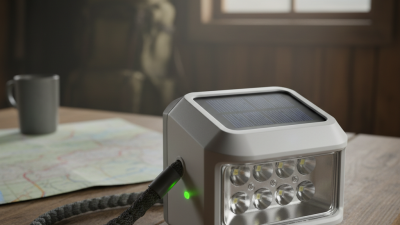
When it comes to selecting a solar emergency light, several factors come into play. During power outages, you need reliable illumination. Many models now feature bright LED bulbs and durable designs. They should withstand harsh weather conditions while providing long-lasting light. The efficiency of solar panels is crucial. Some units charge quickly, ensuring you have power when needed most.
Different models offer unique features. Some include multiple brightness levels, allowing for energy conservation. Others come with built-in USB ports to charge small devices. Consider portability as well. A lightweight model is easier to handle during emergencies. The size should also be practical for storage.
Research shows that user reviews highlight reliability as a key factor. It’s important to pay attention to customer feedback. However, not every product lives up to expectations. Some lights may not hold a charge well, leading to disappointment when required. Choose wisely, and focus on lights tested in various conditions.
Maintenance Tips for Solar Emergency Lights
When choosing solar emergency lights for power outages, maintenance is key to ensuring they function reliably. Keep your lights clean. Dust and dirt can block sunlight. A soft cloth or brush can help remove debris from solar panels. Regular cleaning maximizes their efficiency. Don’t overlook batteries. They may degrade over time. Replacing them periodically is crucial to maintain optimal performance.
Check the positioning of your solar lights. They should receive direct sunlight for several hours daily. Trees or buildings can cast shadows. If your lights dim unexpectedly, adjust their angles or relocate them. Examine for signs of wear, like cracks or loose connections. A vigilant eye can catch potential issues early.
Store your solar lights properly during harsh weather. Extreme temperatures can damage components. Bringing them indoors can extend their lifespan. Always consult the manufacturer's recommendations for storage. Understanding these basic maintenance tips can help prevent frustrations during power outages.
Real-Life Applications and User Experiences
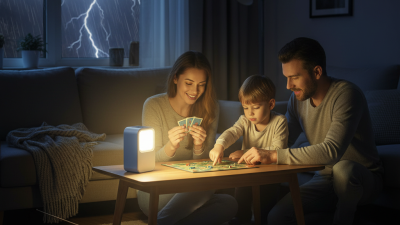
When a power outage strikes, having a reliable solar emergency light can make a significant difference. Many users report feeling secure when they switch on their solar lights during blackouts. One story recalls a family’s experience during a thunderstorm. Their area lost power, but their solar light illuminated their home and maintained a sense of safety. This unexpected use provided comfort and assurance in an otherwise unsettling situation.
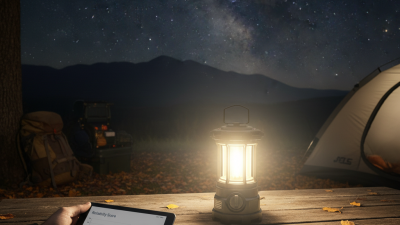
In outdoor scenarios, like camping, solar emergency lights can be invaluable. One camper shared how the light helped navigate their campsite in the dark. Yet, the camper noted the light's brightness was moderate, enough for paths but not to illuminate large areas. This blend of utility and limitations showcases how users adapt these tools to fit their needs. A few have found that the solar charging takes longer than expected. They recommend allowing ample time to charge during the day for better efficiency at night.
Real-life applications highlight the balance between reliability and performance. Many users appreciate the eco-friendly aspect and the cost savings they offer. They acknowledge that solar lights might not match traditional options in intensity but provide a unique solution suitable for various circumstances. Users' feedback indicates that even with some drawbacks, the benefits often outweigh the negatives in emergency situations.
Best Solar Emergency Lights for Power Outages
This chart represents the performance metrics of the best solar emergency lights recommended for power outages. The metrics include brightness in lumens, battery life in hours, and charging time in hours, showcasing the essential features of solar emergency lighting solutions.