7 Best Outdoor Solar Flood Lights for 2026?

Solar Flood Lights Outdoor have become a practical option for illuminating driveways, gates, sheds, and garden paths without trenching power cables. But a bright beam on the product box does not guarantee a bright yard after midnight. Panel size, battery capacity, sensor behavior, and winter sunlight all affect real performance.

The U.S. Department of Energy reports that LED bulbs use up to 90% less energy than traditional incandescent bulbs and can last up to 25 times longer. That efficiency suits solar-powered lighting, but it does not prove that every solar floodlight will deliver the same coverage or runtime. The IEA’s Renewables 2024 report identifies solar PV as the leading contributor to global renewable-capacity growth in 2023, reflecting the technology’s broader momentum. As IEA Executive Director Fatih Birol put it, solar is “the new king of electricity markets.” That is an energy-market observation, not a product endorsement.

This guide compares seven outdoor solar flood lights for 2026, focusing on useful details: motion-sensor range, stated brightness, battery and panel design, weather resistance, and installation. Small print matters. A light may perform well on a clear summer evening and disappoint after several cloudy days. That trade-off is easy to overlook. Our comparisons aim to make the choices clearer, while recognizing that results depend on placement, season, and the conditions at your home.
7 Best Outdoor Solar Flood Lights for 2026?

What Outdoor Solar Flood Lights Are and How They Work

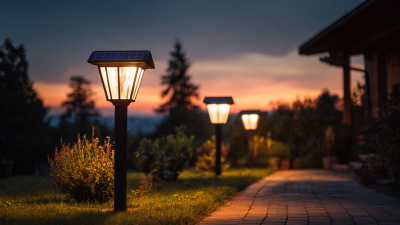
Outdoor solar flood lights combine a photovoltaic panel, rechargeable battery, controls, and LED lamps. Their broad beam can cover areas like a driveway, shed wall, or garden gate. They do not need a buried power cable, but the panel needs a suitable sunny position.

During daylight, the panel converts sunlight into electricity. A charge controller regulates the power sent to the battery. After dusk, a light sensor can switch the LEDs on. Models with motion detection may stay dim or off until movement is sensed, then brighten for a set period. Some units have a separate panel connected by a short cable. This can help when the lamp must face a shaded corner.

Placement changes performance. A panel beneath tree branches or a deep eave may collect too little energy, especially in winter or cloudy weather. Check that it has a clear view of the sky. Aim the lamp’s beam at the intended area, not a neighbor’s windows. That sounds simple. It isn’t always. Motion sensors may react to moving branches or small animals. Advertised brightness alone does not tell you how long a light will stay bright. Battery capacity, panel size, weather, and operating mode all affect nightly output, so keep expectations practical.

Which Features Matter When Choosing a Solar Flood Light

7 Best Outdoor Solar Flood Lights for 2026?
Which Features Matter When Choosing a Solar Flood Light

A high lumen number looks impressive, but it tells only part of the story. Check beam angle, mounting height, and whether the light has adjustable brightness. A wide beam can cover a driveway, while a narrower one may better illuminate a gate. Battery capacity and panel size matter, too: a compact panel may struggle after cloudy days, especially when the light runs at full power all night. The U.S. Department of Energy reports that LED bulbs use at least 75% less energy than incandescent bulbs. Efficient LEDs can help a solar light stretch its stored energy, though real runtime still depends on weather and settings.

Look for a clear runtime estimate and note whether it assumes motion-sensor mode or continuous lighting. Check the panel’s placement options; a shaded eave can quietly undermine an otherwise capable fixture. For durability, review the stated ingress-protection rating and warranty, but remember that test ratings cannot predict every installation. A bright spec sheet can still disappoint. A little skepticism helps.

Tips: Compare usable runtime, not just brightness. Aim the panel toward open sky, clean it periodically, and test the motion sensor from the path people actually use. If winter performance matters, favor adjustable output over a “maximum lumens” claim.

How the Seven Best Outdoor Solar Flood Lights for 2026 Compare

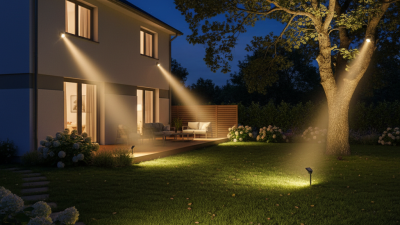
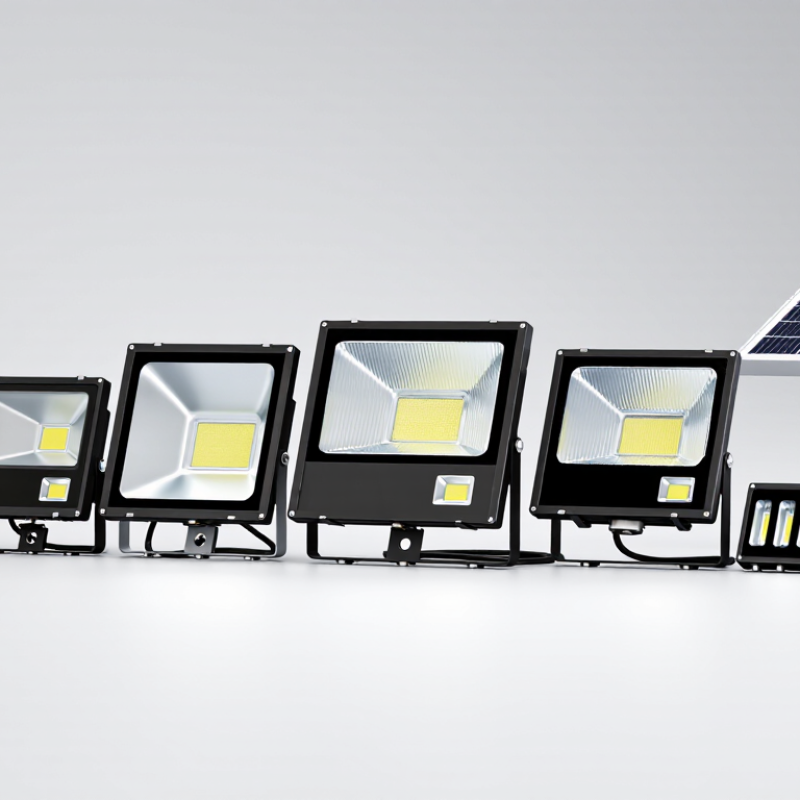
Comparing seven outdoor solar flood-light designs means looking beyond brightness claims. A compact motion-sensor light can suit a gate, but its narrow beam may leave steps in shadow. A twin-head model spreads light across a driveway, while a wide-panel design favors broad walls or garden beds. Check whether the stated coverage matches your actual mounting height. It often does not.

A remote-controlled option makes adjustments easier from the ground; a dusk-to-dawn model offers steadier, scheduled lighting. A detachable solar panel helps when the fixture sits beneath an eave, though its cable needs a practical route. High-capacity battery designs may run longer on cloudy evenings, but larger batteries can add bulk.

The seventh type, a basic fixed-head floodlight, is often simpler to install and aim. That matters. For a fair comparison, note panel size, battery capacity, motion range, weather rating, and charging conditions—not just advertised lumens.

My first instinct is to favor the brightest unit, but a sharp beam can create glare at a bedroom window. Small details count.

A shaded winter yard may also produce very different results from a sunny product demonstration. Check the installation notes before choosing.

Which Solar Flood Light Suits Different Outdoor Needs

For a front door or narrow path, choose a compact flood light with a motion sensor and a focused beam. It can brighten steps when someone approaches without lighting the whole yard all night. A driveway or broad side yard needs wider coverage, ideally from two adjustable heads. For a garden wall or shed, a smaller unit may be enough; excessive brightness can create glare and deep shadows. Bright isn’t always better.

Panel placement matters as much as lamp output. A shaded eave can leave a powerful light undercharged, especially after cloudy days or during short winter afternoons. If the panel separates from the lamp, you can place it in direct sun while aiming the fixture at the gate or garage. The U.S. Department of Energy says LEDs use at least 75% less energy than incandescent lighting and can last up to 25 times longer. That comparison concerns LED technology generally, not a guarantee of solar-light runtime. Check the product’s stated operating hours and charging conditions.

Tips: Match beam width to the area, and look for adjustable sensitivity and timer settings. Clear leaves and dust from the panel occasionally. Test the light after several cloudy days; one bright evening can give a misleading impression of dependable performance.

How to Install and Maintain an Outdoor Solar Flood Light

Mount the solar panel where it receives several hours of direct sun, away from roof eaves, branches, and winter shadows. Check the spot around midday, then again late in the afternoon; a bright-looking wall can still leave the panel shaded. Aim the lamp at the path, gate, or driveway, and follow its coverage and mounting-height instructions. Tighten the bracket before adjusting the angle. Small details matter.

For reliable placement, NREL’s National Solar Radiation Database provides hourly solar and weather data that can help compare local sunlight conditions. A nearby sunny patch may perform better than a convenient but shaded mounting point. Keep the panel accessible for cleaning. That part is easy to forget.

Wipe dust and pollen from the panel with a soft, damp cloth, especially after dry or windy spells. Check the mounting screws, cable entry, and seals after storms. Replace the battery only as directed in the fixture’s manual. A 2013 review by Jordan and Kurtz, published in Progress in Photovoltaics, found a median annual degradation rate of about 0.5% across nearly 2,000 photovoltaic module degradation rates. That figure describes PV modules, not the battery or lifespan of any particular flood light. Lower output may also come from shade, dirt, or a tired battery. It’s worth checking those before replacing the whole unit.

7 Best Outdoor Solar Flood Lights for 2026? — How to Install and Maintain One

Suggested Annual Maintenance Schedule

For reliable performance, check that the light works monthly, clean the solar panel about every two months, inspect mounting and seals twice a year, and review battery condition annually. These are general guidelines; dust, weather, shade, and the product manual may call for a different schedule.