Best Camping Light Motion Sensor Tips for Your Next Adventure?
When planning your next outdoor adventure, lighting is essential. A reliable light not only provides visibility but also enhances safety. The Camping Light Motion Sensor is an excellent tool for this purpose. It reacts to movement, illuminating the area when you need it most.
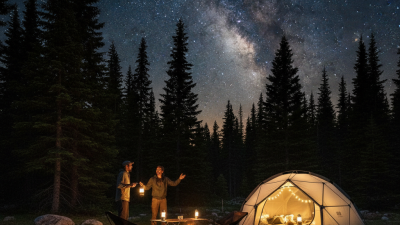
Imagine arriving at your campsite after dusk. The darkness can be overwhelming. With a Camping Light Motion Sensor, you can easily navigate through your gear. You won’t fumble around trying to find a flashlight. This light can deter animals too, creating a sense of security at night.
However, not all motion sensors work perfectly. Sometimes, they may trigger unexpectedly, wasting battery life. It’s essential to choose models with adjustable sensitivity. Some lights are too dim or do not last long enough. Rethink your choices carefully. The right Camping Light Motion Sensor can enhance your outdoor experience, but it requires thought and reflection to find the best one for your journey.
Best Camping Light Motion Sensor Types and Their Features
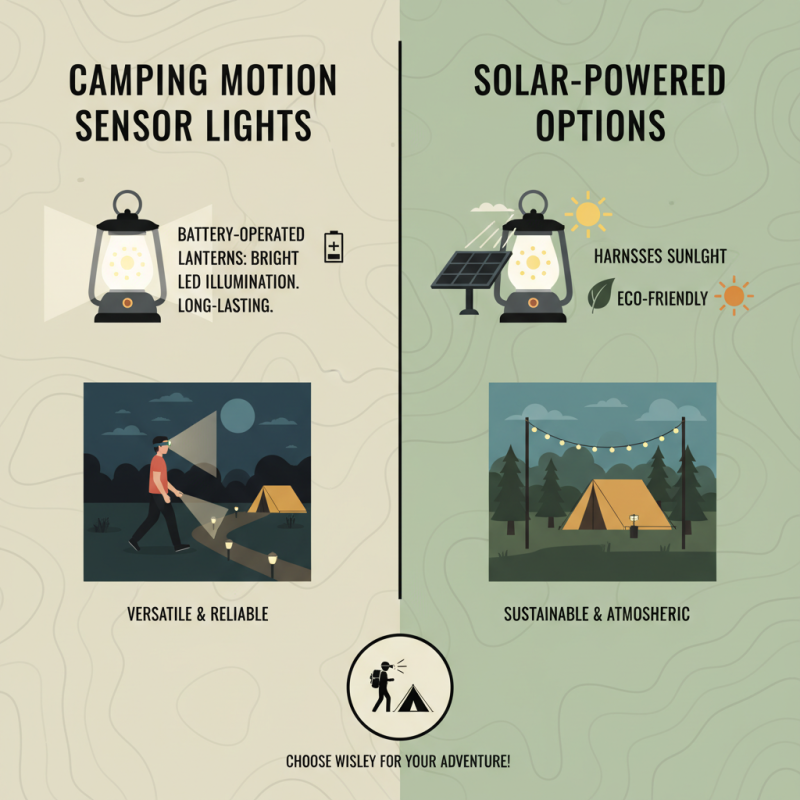
When planning a camping trip, selecting the right motion sensor light can make all the difference. Different types of camping lights cater to various needs. Battery-operated lanterns provide bright illumination. They often use LEDs, ensuring long battery life. Solar-powered lights are eco-friendly, harnessing sunlight for energy. They work well in sunny areas but may struggle in cloudy conditions.
Some motion sensor lights come with adjustable brightness settings. This feature helps conserve energy and prolongs the light's operation time. Some models even allow you to set timers, which can be handy for those late-night gatherings. However, not all lights respond instantly, leading to occasional delays. This can be frustrating when you need light quickly.
Choosing the right type also involves considering weight and portability. Heavier models may not be ideal for hiking trips. Quick setup is essential for those arriving after dark. It’s worth noting that some lights may malfunction in extreme weather. A little research can prevent unexpected issues. Being prepared ensures a safer and more enjoyable camping experience.
Understanding Motion Sensor Technology in Camping Lights
When choosing camping lights, understanding motion sensor technology is crucial. Motion sensors detect changes in their environment. They automatically turn on when you approach and turn off after you leave. This feature is energy-efficient, extending the battery life of your light.
Many campers appreciate this convenience, especially during night hikes or bathroom trips. However, motion sensors can be overly sensitive. They might activate with wind or small animals. This can lead to frustration, especially when you need the light to stay off. One way to address this is by testing the sensor's range before your trip.
The ideal setup balances sensitivity and reliability. Equipment with adjustable settings gives you control over the motion sensor's responsiveness. Consider practicing with your light at home. This hands-on experience helps ensure it meets your needs in the wilderness. Finding the right camping light takes time. The perfect choice enhances your adventure, adding safety and comfort.
Benefits of Using Motion Sensor Lights for Camping Safety
Motion sensor lights can significantly enhance safety while camping. These lights automatically turn on when they detect movement. This feature is handy for nighttime trips to the bathroom or when wandering around the campsite. Imagine stepping out of your tent, and the light brightens your path. It helps you avoid tripping over roots or rocks.
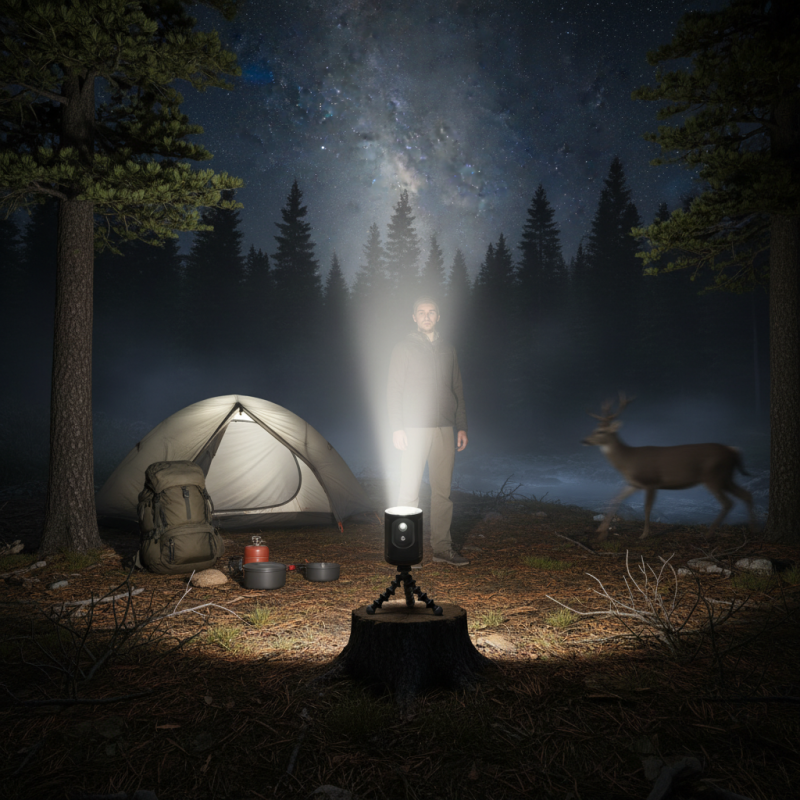
Using motion sensor lights also adds a sense of security. When they detect movement, they can scare off potential wildlife intruders. The sudden light can startle animals, keeping your food and gear safe. Additionally, if you hear strange noises at night, the lights can brightly illuminate the area. Yet, it’s essential to monitor your light's battery. A dead battery could render it useless when you need it most, leading to feelings of vulnerability.
While these lights are convenient, they may have limitations. Sometimes, they can be overly sensitive and turn on with minor movements. This can drain batteries faster than expected. Finding a balance between sensitivity and battery life is crucial. It's worth testing your light before heading into the wilderness to ensure reliability.
Top Brands and Models of Camping Lights with Motion Sensors
When searching for camping lights with motion sensors, it's important to consider several factors. The design should be lightweight and portable. A compact option fits easily in your backpack. Look for lights that have brightness settings for different situations. You want to save battery when needed, especially during long trips.
Many models come with features like adjustable angles. This allows you to direct light where it's needed most. Some lights even have solar charging capabilities. It's a great way to ensure you have power without relying solely on batteries. However, these options can be pricey, and the panels may not work well in all weather.
Don't forget to read user reviews. What works for one person might not work for another. Sometimes, motion sensors can be overly sensitive. They might activate with the slightest breeze. It's a detail that often gets overlooked but can lead to frustration in the wild. Always choose a model that fits your specific needs, and don’t settle for the first option you find.
Tips for Optimal Placement and Usage of Motion Sensor Lights
When camping, motion sensor lights can greatly enhance your safety and convenience. According to a recent survey, over 70% of campers reported feeling more secure with proper lighting around their campsite. Proper placement of these lights is essential. Install them at entry points to your tent or campers, ensuring they can detect movement from a distance. Aim to position the sensors about 6-8 feet high for optimal detection and to avoid triggering from small animals.
Consider the direction of light. A well-placed sensor light should illuminate paths or areas where people would typically walk. An industry report indicated that proper illumination reduces trips and falls by nearly 30%. Nonetheless, be aware that too much light can create stark contrasts, making it harder for your eyes to adjust when moving from bright to dark areas. Experiment with the angles and range to find what’s best for your setup. Regular maintenance of these sensors also helps, as dirt or obstructions may hinder their functionality. Remember to review their effectiveness after each trip.