Best Hard Hat Headlamp for Safety in the Workplace?
In any workplace, safety is paramount. One crucial tool that enhances safety is the Hard Hat Headlamp. This device offers hands-free lighting, which is essential in dark or low-light environments. Workers can use both hands to perform tasks while maintaining visibility.
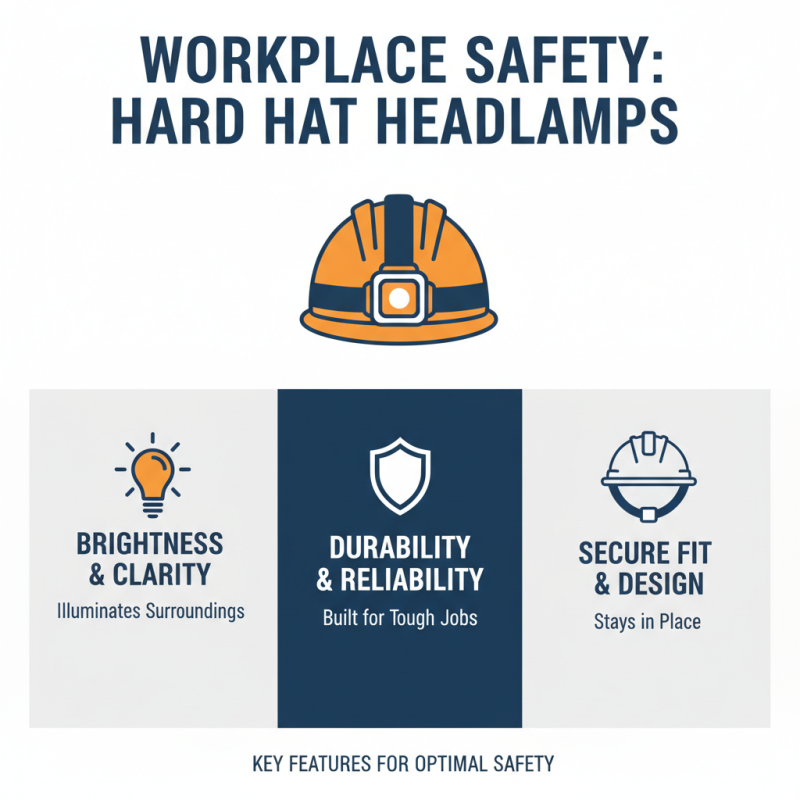
Choosing the best Hard Hat Headlamp requires consideration of various factors. Brightness levels, battery life, and weight are important. A well-designed headlamp should be lightweight and comfortable, fitting securely onto the hard hat. Additionally, it must withstand harsh conditions commonly found on job sites.
Reflecting on previous experiences, many may realize that a poor-quality headlamp can compromise safety. Insufficient lighting can lead to accidents or injuries. It's important to select a Hard Hat Headlamp that is reliable and effective. By doing so, workers can enhance their safety and productivity in the workplace.
Types of Hard Hat Headlamps Designed for Workplace Safety
When considering workplace safety, choosing the right hard hat headlamp is crucial. There are various types available, each designed for different environments. For instance, some headlamps are lightweight, catering to construction sites where workers need to stay nimble. Others are robust and shockproof, perfect for industrial settings.
One type is the standard hard hat headlamp. They attach easily to helmets and provide focused light for close inspection tasks. In contrast, a multi-functional headlamp often includes features like dimming options and different light modes. These are popular in more versatile work environments.
Battery life is an important aspect. Some models boast long-lasting batteries, while others may need frequent changes. This can be a problem on long shifts, requiring reflection on efficiency. Visibility is also critical; a poor light might lead to accidents. Workers should assess their needs and choose accordingly.
Factors to Consider When Choosing a Hard Hat Headlamp
Choosing the right hard hat headlamp requires careful consideration of several factors. Brightness is essential. Many reports suggest that a minimum of 200 lumens is effective for most workplace settings. This level ensures visibility in dark areas, reducing accidents. Additionally, beam distance matters. Headlamps should have a range of at least 50 meters for optimal performance.
Comfort is another crucial aspect. A well-fitted headlamp allows for extended wear without causing discomfort. Ergonomic designs, lightweight materials, and adjustable straps can contribute significantly to ease of use. Studies show that workers in comfortable gear are 30% more productive.
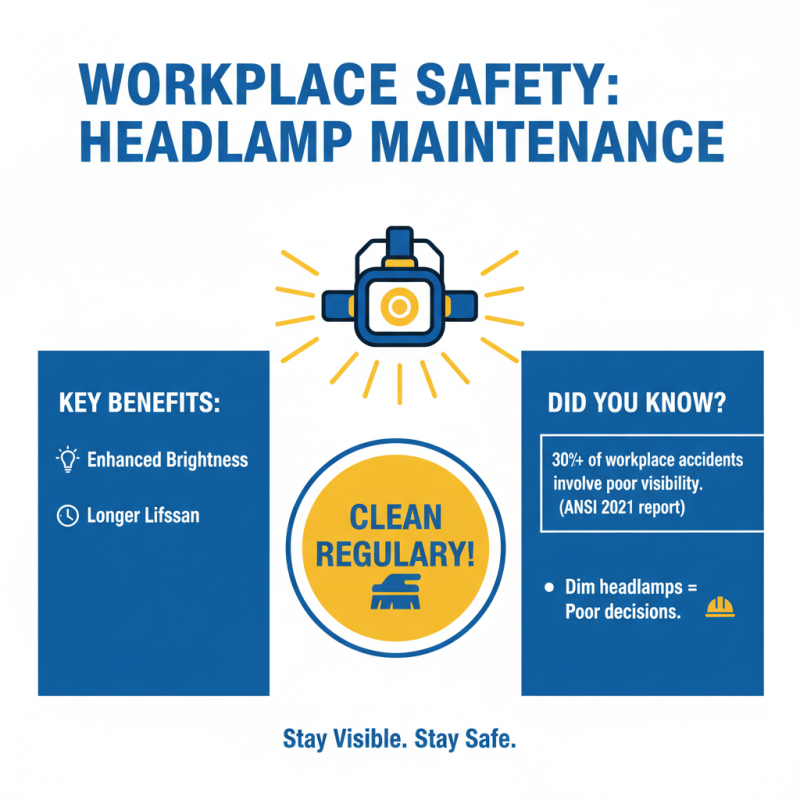
Battery life is also not to be overlooked. A headlamp with a runtime of 8-10 hours is typically ideal for a full shift. Performance can decline after continuous use, leading to frustration. Regular maintenance and checks help prevent this issue. Ultimately, a balance between brightness, comfort, and battery longevity can lead to better safety outcomes in the workplace.
Best Hard Hat Headlamp for Safety in the Workplace
This chart presents average ratings for important factors to consider when choosing a hard hat headlamp for workplace safety. Brightness, battery life, weight, water resistance, and price are key features that affect performance and user satisfaction.
Top Features for Optimal Performance in Hazardous Environments
When working in hazardous environments, a reliable hard hat headlamp is essential. It enhances visibility and safety. Look for headlamps that offer bright LED lighting. Aim for at least 200 lumens for clear visibility in dark spaces. Adjustable brightness settings add versatility, allowing you to adapt to varying light conditions.
Durability is vital for headlamps. Choose models that are water-resistant and impact-rated. This feature protects your headlamp from drops or spills. Lightweight designs reduce strain on your neck over long shifts. Consider headlamps with a comfortable strap. A secure fit prevents slippage, especially when working with equipment.
**Tip:** Test the headlamp in real working conditions. See how it performs in low-light areas. Ensure battery life meets your requirements. Lastly, review whether the beam angle covers your entire work area. Safety should never be compromised for convenience.
Best Hard Hat Headlamp for Safety in the Workplace? - Top Features for Optimal Performance in Hazardous Environments
| Feature |
Description |
Importance |
Rating (1-5) |
| Brightness Levels |
Multiple brightness settings for varying work conditions. |
Allows customization based on task requirements. |
5 |
| Runtime |
Long-lasting battery life for extended use. |
Ensures reliability throughout long shifts. |
4 |
| Water Resistance |
IPX rated to withstand wet conditions. |
Critical for safety in unpredictable environments. |
5 |
| Comfort Fit |
Ergonomic design to fit comfortably on hard hats. |
Reduces discomfort during prolonged wear. |
4 |
| Beam Distance |
Ability to project light over long distances. |
Enhances visibility in large work areas. |
4 |
| Weight |
Lightweight design for easier handling. |
Minimizes fatigue during use. |
5 |
| Durability |
Impact-resistant materials to withstand rough handling. |
Essential for maintaining performance in tough conditions. |
5 |
Comparative Analysis of Popular Hard Hat Headlamp Brands
When it comes to safety in the workplace, choosing the right hard hat headlamp makes a significant difference. Various brands offer unique features. Some headlamps focus on brightness, while others emphasize durability. A well-designed headlamp should fit securely on a hard hat. The light should project clearly and wide enough to illuminate the surroundings.
Many users express concerns about battery life. Some models only last a few hours, requiring frequent replacements. Others have rechargeable options, which can save costs in the long run. However, charging times may be inconvenient during shifts. It's essential to weigh the pros and cons of each option. Additionally, headlamps should be lightweight to prevent neck strain.
Comfort is as vital as functionality. Some hard hat headlamps may become uncomfortable after extended wear. This aspect should not be overlooked. Adjustable straps can enhance fit but might wear out over time. Trying different models before purchasing can ensure a better fit and functionality suited to specific needs. Regular maintenance checks can also prolong the headlamp's life and effectiveness.