Top Benefits of Using a Rechargeable Head Torch for Outdoor Adventures?
In recent years, outdoor enthusiasts have increasingly turned to the rechargeable head torch. According to a report from the Outdoor Industry Association, over 50% of hikers consider lighting equipment essential for safety. Rechargeable head torches provide convenience and reliability, making them a top choice for adventures.
These devices offer high lumens per watt, ensuring brighter and longer-lasting light. They reduce the need for disposable batteries, which is an environmental concern. A study by the National Parks Service found that proper lighting significantly decreases accidents during hikes. This highlights the importance of good gear.
While rechargeable head torches are highly effective, some users note challenges. Battery life may vary greatly based on usage. Furthermore, the initial investment may seem steep compared to traditional models. However, the long-term benefits are clear. With innovation in design and technology, more outdoor adventurers embrace these functional tools for enhanced experiences in nature.

Benefits of Rechargeable Head Torches for Nighttime Visibility in Nature
Outdoor adventures often require reliable gear. A rechargeable head torch enhances nighttime visibility, ensuring safety and enjoyment. Since natural light fades, having a dependable light source is essential. A good head torch illuminates the path ahead, making it easier to navigate rough terrain.
Rechargeable head torches provide several practical advantages. Firstly, they are environmentally friendly. You reduce battery waste when you recharge. Additionally, modern designs offer impressive brightness. Many models feature different light settings, adapting to various needs. Whether hiking, camping, or stargazing, these torches can light your way.
Visibility in nature is crucial. A head torch allows hands-free movement while illuminating the surroundings. This means you can cook, set up camp, or explore without juggling a flashlight. However, remember to recharge regularly. It can be frustrating when the light dims unexpectedly. Always carry a backup or a power bank on longer trips. Having a reliable light source can transform your outdoor experience.
Top Benefits of Using a Rechargeable Head Torch for Outdoor Adventures
The chart below illustrates the various benefits of using a rechargeable head torch during outdoor activities, focusing on advantages such as brightness, battery life, weight, and convenience.
Long-lasting Battery Life: Comparing Rechargeable vs. Disposable Options
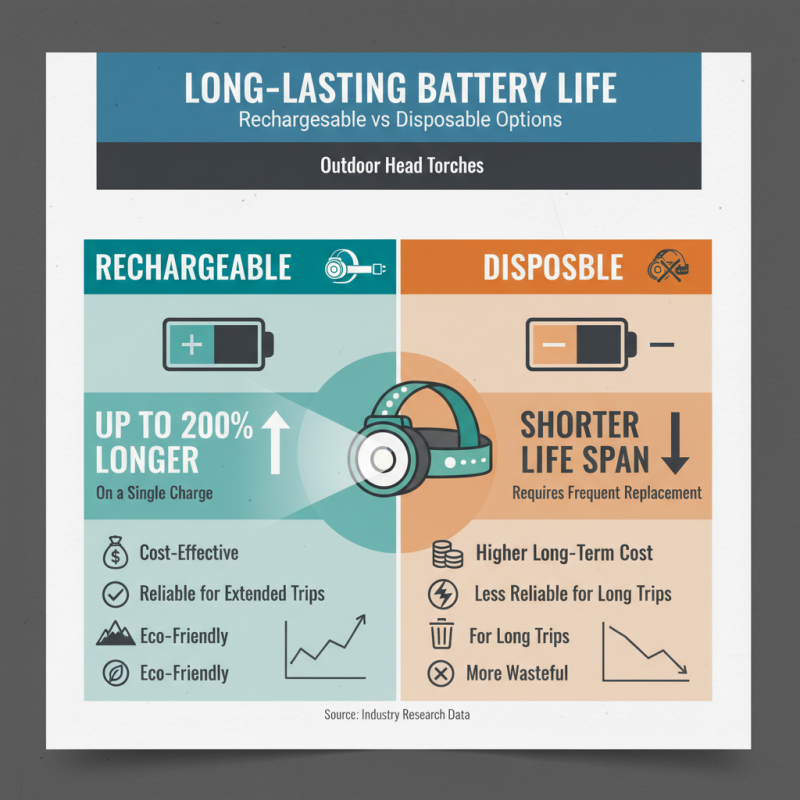
When it comes to outdoor adventures, choosing the right head torch is crucial. A rechargeable head torch offers a significant advantage over disposable options, especially in battery life. Research indicates that rechargeable batteries can last up to 200% longer than disposables on a single charge. This makes them not only cost-effective but also more reliable for extended trips in the wilderness.
The Environmental Protection Agency reports that Americans throw away over 3 billion batteries each year, contributing to toxic waste. Opting for rechargeable models can reduce this impact, benefiting both users and the planet. However, some adventurers may overlook the charging infrastructure needed for rechargeable options. In remote areas, this can be a challenge, making careful planning essential. It's critical to assess your adventure's location and duration before relying solely on rechargeable models.
Moreover, battery performance can vary significantly with temperature. Cold weather can reduce a battery's effectiveness by as much as 30%. This is a point of reflection for users who might assume all rechargeable batteries perform equally in different conditions. The versatility and long-lasting nature of these batteries are undeniable, yet they come with specific challenges that every outdoor enthusiast should consider.
Light Output and Focus: Lumens and Beam Distance Explained
When selecting a rechargeable head torch for outdoor adventures, light output and focus are crucial. Understanding lumens and beam distance can enhance your experience. Lumens measure brightness. A torch with 300 to 1000 lumens can illuminate varied environments. For example, a typical camping scenario might require 200 to 400 lumens for effective light. The higher the lumens, the more light you receive. However, a brighter light can drain the battery faster.
Beam distance is another vital aspect. Most head torches range from 20 to 200 meters. A focused beam enables you to see distant objects clearly. For trail walking, a beam distance of 50 to 100 meters is often ideal. This allows you to identify obstacles while still noticing your surroundings. That said, many users underestimate the importance of beam width. A wide beam ensures you can scan your surroundings efficiently.
Battery life affects lumens and beam distance. High outputs may lead to faster depletion. Selecting a mode that balances brightness with energy use can be a challenge. Make sure to consider your specific needs. Tailoring your head torch choice to your activity type can yield a better experience. Outdoor adventures should not be compromised by insufficient lighting. Always be prepared and informed.
Top Benefits of Using a Rechargeable Head Torch for Outdoor Adventures
| Feature |
Description |
Value |
| Light Output |
Brightness level of the torch |
300 Lumens |
| Beam Distance |
Distance the light travels |
150 meters |
| Battery Life |
Duration of use on a full charge |
20 hours |
| Weight |
Weight of the head torch |
200 grams |
| Water Resistance |
Ability to withstand water exposure |
IPX6 |
| Focus Adjustment |
Ability to adjust beam focus |
Yes |
Hands-Free Convenience: The Practicality of Head-Mounted Lighting
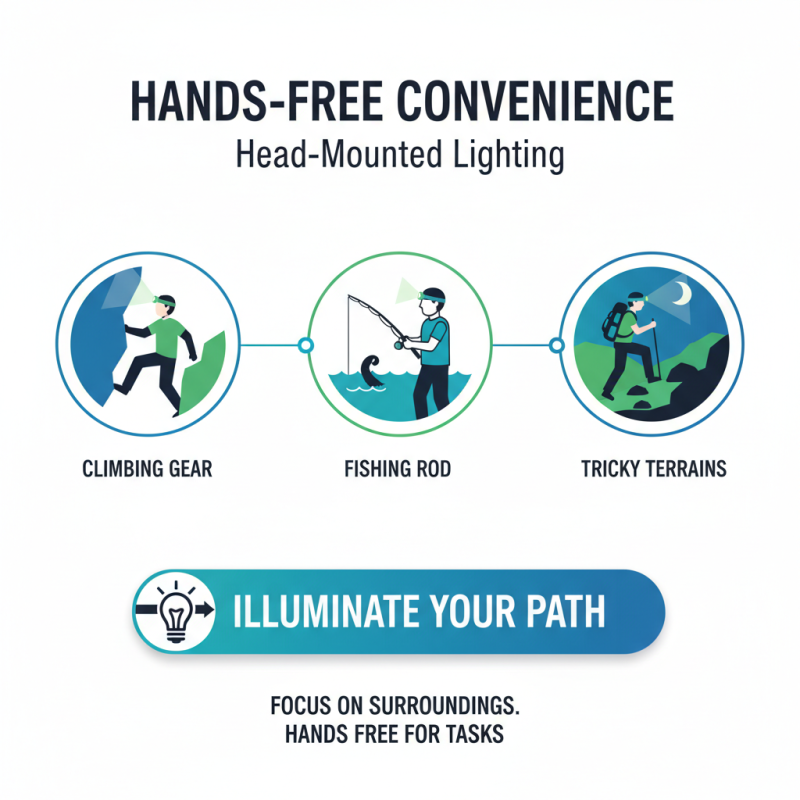
A head-mounted torch offers unparalleled hands-free convenience for outdoor adventures. When your hands are busy with climbing gear or holding a fishing rod, having a light source fixed to your head is invaluable. You simply turn your head to illuminate your path, making it much easier to navigate tricky terrains. This practical solution minimizes distractions, allowing you to focus on your surroundings while keeping your hands free for essential tasks.
Additionally, the design of rechargeable head torches improves usability in various situations. With adjustable brightness settings, you can easily switch between a soft glow for reading a map and a powerful beam for navigating dark trails. Many models are lightweight and comfortable, making them easy to wear for extended periods. However, battery life can sometimes be a concern. There are occasions when a recharge is needed sooner than expected, leading to interruptions.
While rechargeable head torches are generally reliable, they require proper maintenance. Keeping the battery charged and ensuring the lens is clean can significantly enhance performance. Sometimes, we overlook the little details that affect effectiveness. Ultimately, understanding how to utilize these tools enhances your outdoor experiences, providing both safety and convenience.
Environmental Impact: Reducing Battery Waste with Rechargeable Solutions
As outdoor enthusiasts increasingly prioritize sustainability, the environmental impact of gear choice becomes paramount.
Rechargeable head torches present a compelling solution by addressing the growing concern of battery waste. According to the World Economic Forum, around 3 billion batteries are discarded globally each year. This colossal figure points to a critical issue in outdoor recreation, where traditional single-use batteries contribute significantly to landfill problems.
Switching to rechargeable options can lead to significant reductions in waste. A study by the Battery University reveals that rechargeable batteries can last up to five years or more, significantly outliving their disposable counterparts. This longevity reduces the frequency of purchases and ultimately lessens environmental damage. Furthermore, it has been estimated that choosing rechargeable batteries can cut down waste generation by up to 90% over time. This is not just an environmental choice; it’s a conscious decision toward preserving the natural world we explore.
Nevertheless, the transition to rechargeable systems isn't without its challenges. Some users report concerns about charging times. Meanwhile, the upfront cost can be higher. Yet, considering the long-term benefits and environmental implications, the investment proves worthwhile. Balancing convenience with sustainability is crucial in our outdoor adventures. Every small step towards reducing waste can lead to significant environmental benefits.