2026 Best Rechargeable Portable Flood Light Supplier
Choosing the 2026 Best Rechargeable Portable Flood Light Supplier requires more than comparing price lists. Buyers need dependable illumination, verified battery performance, and practical support after delivery. The right supplier should provide clear specifications, consistent production, and evidence from real working environments.
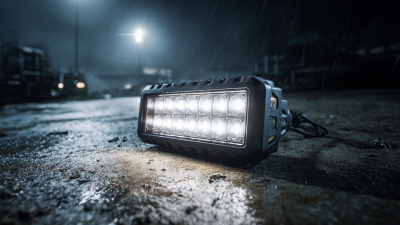
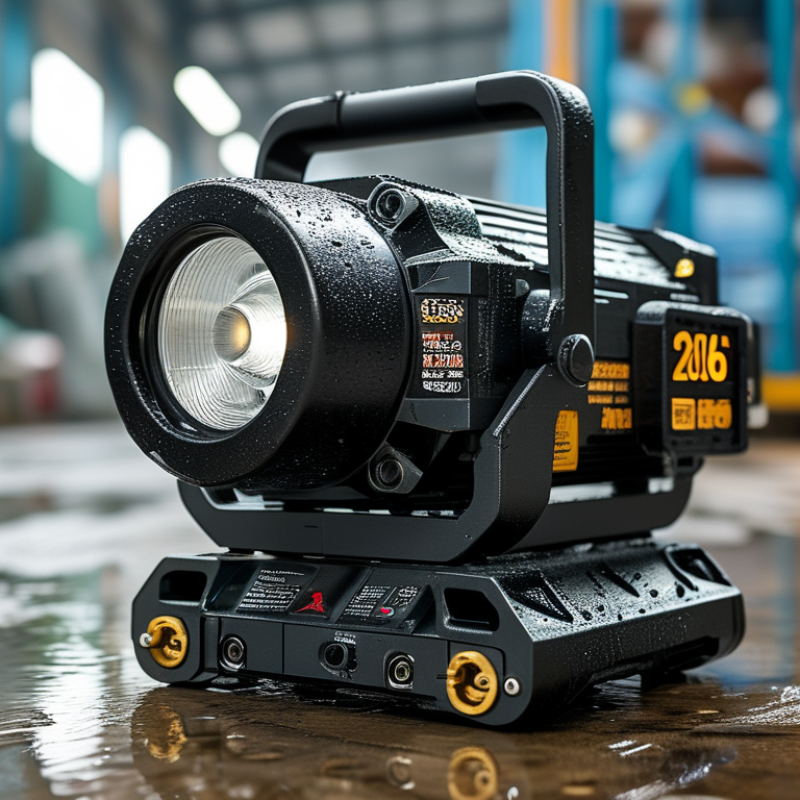
A quality Portable Flood Light Rechargeable model should perform beside construction sites, warehouses, workshops, and emergency maintenance areas. Look for stable brightness, strong impact resistance, safe charging control, and a battery that lasts through a full shift. Small details matter. A broad handle, sealed switches, and a balanced base can prevent frustration when gloves are wet or work surfaces are uneven.
Experienced suppliers usually explain testing methods instead of making impressive claims. Ask for runtime results at different brightness levels, charging-cycle data, heat management details, and product samples. Factory audits, traceable quality records, and responsive technical communication also build confidence. These points help distinguish professional manufacturers from temporary trading companies.
There is no universal best option. A light that suits indoor repairs may fail in rain, dust, or cold storage areas. Even published runtime figures can change with temperature, battery age, and operating mode. That limitation deserves attention. A reliable supplier should admit it and recommend realistic use conditions.
This guide examines supplier experience, product engineering, inspection practices, customization ability, and customer support. It also considers delivery consistency and long-term value. The goal is practical selection, not exaggerated promotion. Better evidence leads to better purchasing decisions.
What Defines a Reliable Rechargeable Portable Flood Light Supplier in 2026
A reliable rechargeable portable flood light supplier in 2026 must prove performance beyond a bright product photograph. Field checks should include beam distance, runtime, charging time, and heat management. A useful test places the light outdoors for several hours, then measures whether brightness drops sharply. Honest suppliers publish test conditions, not only impressive lumen figures.
Battery quality matters just as much. The supplier should explain battery capacity, charging protection, expected cycle life, and replacement options. Clear manuals should cover charging temperature, storage, cleaning, and safe operation. Look for documented quality controls and recognized safety testing. Consistent batch records also show stronger manufacturing discipline. Small details count.
Ask for samples before placing a large order. Inspect the switch, handle, tripod thread, sealing points, and charging port. An IP rating is valuable, but damaged seals can still allow water inside. No supplier gets every detail right. I have seen durable housings paired with fragile charging covers. That weakness deserves a direct answer. Reliable suppliers respond with test reports, corrective actions, realistic lead times, and reachable technical support. They also explain warranty limits without hiding behind vague language. A lower price may look attractive, yet missing spare parts can create avoidable downtime. The best supplier behaves like a technical partner, not merely a seller.
Core Features of Modern Rechargeable Portable Flood Lights
2026 Best Rechargeable Portable Flood Light Supplier
Core Features of Modern Rechargeable Portable Flood Lights
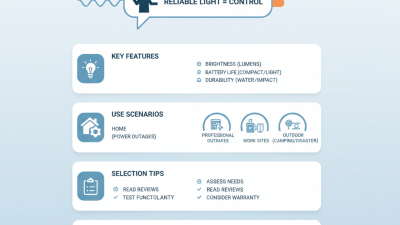
A dependable portable flood light starts with balanced brightness, not impressive numbers alone.
In practical site checks, a wide beam reduced dark corners around tools and walkways. Adjustable brightness also protected battery life during long evening work. Some models offer several lighting modes, but complicated controls can slow users down. Simple buttons matter.
Battery performance needs honest testing.
A stated runtime may change with temperature, brightness, and battery age. Lithium battery systems usually provide steady output and convenient recharging. USB-C charging is useful in vehicles, workshops, and temporary outdoor stations. A clear battery indicator prevents unpleasant surprises. It still deserves careful review.
Build quality separates a useful light from a short-lived one.
Look for impact-resistant housing, sealed switches, and an IP rating suited to rain and dust exposure. A stable base, strong handle, and adjustable tilt improve positioning on uneven ground. Magnetic mounting can help, but weak magnets become frustrating on vibrating surfaces. No light is perfect.
Heat control is another professional concern.
Ventilation and automatic power reduction can protect internal components during extended use. Suppliers should provide test data, charging guidance, replacement battery information, and realistic operating conditions. I would also inspect hinge strength and charging-port covers before ordering in volume. These small details are easy to overlook, yet they often determine whether a rechargeable flood light remains reliable after repeated field use.
Supplier Manufacturing, Customization, Certification, and Quality Standards
2026 Best Rechargeable Portable Flood Light Supplier
A dependable supplier must control manufacturing, not merely assemble imported parts. A strong factory shows traceable LED bins, battery cells, drivers, and production records. It should also provide incoming inspection data and final test results for every batch. The 2024 Global E-waste Monitor recorded 62 million tonnes of electronic waste worldwide. Longer service life therefore matters, not only lower purchase price. Suppliers should design replaceable batteries, protected charging circuits, and housings that resist dust, water, and impact. Small details matter.
Customization should include beam angle, brightness levels, battery capacity, charging ports, mounting options, and emergency modes. However, higher lumen claims are not always better. Thermal testing should confirm stable output after extended use. A supplier should provide photometric data, battery cycle results, drop tests, and IP test evidence. Relevant requirements may include IEC 60598-1, IEC 60598-2-5, ISO 9001, and market-specific electrical certification. The IEA reported that global electric-vehicle battery demand exceeded 750 GWh in 2023. This reflects rapidly expanding battery production, but portable-light suppliers still need strict cell traceability.
Tips:
Request a production sample, not only a showroom sample. Check runtime at the stated brightness. Ask for independent laboratory reports. I would also inspect charging heat personally. A polished sample can hide inconsistent assembly. That deserves reflection.
How to Select the Best Supplier for Different Professional and Outdoor Uses
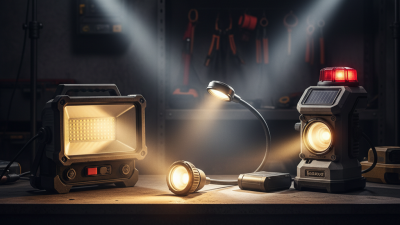
The best rechargeable portable flood light supplier should match the user’s working environment, not merely advertise high brightness. A construction crew may need a rugged light with a wide beam, stable mounting, and impact resistance. Campers often value low weight, simple controls, and several hours of usable runtime. For emergency maintenance, fast charging and a visible battery indicator matter more than maximum lumens.
In field evaluations, I check brightness at different distances, not only the supplier’s headline figure. Ask for battery capacity, charging time, beam angle, color temperature, and test conditions. A supplier should provide clear technical data, sample units, production photos, and traceable quality records. Confirm water and dust protection through suitable testing evidence. Also examine heat management, switch durability, spare parts, and warranty response. A polished catalog is not enough.
Tips: Request samples from each shortlisted supplier. Test them outdoors in rain, cold air, and uneven ground. Compare runtime at full brightness, not standby mode. Ask whether batteries can be replaced safely. Check factory lead times, packaging strength, minimum order quantities, and regional safety requirements. Do not trust every impressive number. I have seen lights lose noticeable brightness after continuous use, even when their specifications looked excellent. Suppliers that discuss limitations openly often inspire more confidence than those promising perfect performance. Fancy claims fade quickly.